
Expert Sewer Pipe Location Services: How to Find and Map Your Underground Sewer Line
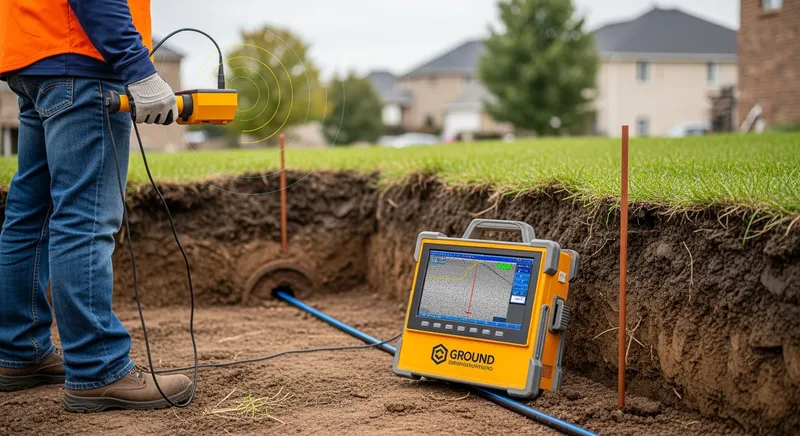
Locating your sewer line accurately is essential for preventing unexpected damage, ensuring compliance with local regulations, and streamlining maintenance across Miami-Dade properties. In this guide, you’ll discover why knowing the precise path of your sewer line location matters, how to use property maps and plumbing plans, and when to call in professional services. We’ll explore advanced detection technologies—such as video pipe inspection, ground penetrating radar (GPR), electromagnetic locators, and hydro vacuum excavation—before showing you where sewer cleanouts typically reside, how to spot warning signs of blockages, and which Miami-Dade County regulations govern excavation. By the end, you’ll be prepared to safeguard your home or business and partner with expert technicians to map underground sewer systems with confidence.
Why Accurate Sewer Line Location Matters for Miami-Dade Homeowners
Accurate sewer line location defines the exact route of wastewater pipes, preventing inadvertent excavation damage and reducing costly repairs by enabling targeted interventions.
A clear map of your sewer infrastructure supports preventative maintenance, mitigates liability during construction, and ensures adherence to Miami-Dade County codes. Understanding pipe depth and layout also improves response times when diagnosing clogs, leaks or root intrusion, boosting system longevity and protecting property value.
What Are the Risks of Not Knowing Your Sewer Line Location?

Before excavation, failing to identify sewer line paths can result in:
| Potential Issue | Underlying Factor | Consequence |
|---|---|---|
| Pipe Rupture | Striking buried line with shovel or auger | Sewage backup and foundation damage |
| Utility Strikes | Misidentifying sewer as another utility | Fines, service disruptions |
| Cost Overruns | Unplanned repairs after damage | Extra excavation and restoration |
| Environmental Hazard | Uncontained leaks into soil | Health risks and regulatory penalties |
These risks drive the need for professional mapping to avoid structural harm and financial consequences.
How Does Accurate Sewer Line Location Prevent Damage and Costly Repairs?
Precise tracing of your drainage system allows crews to plan trenchless repairs, direct excavation to safe zones, and target blockages with minimal disturbance. By mapping laterals and mains before digging, property owners reduce soil collapse risks and eliminate hours of unnecessary labor—boosting project efficiency and cutting repair bills.
Why Is Local Expertise Essential in Miami-Dade County?
Miami-Dade’s unique soil composition, seasonal flood zones, and bungalow-era plumbing systems demand specialised knowledge. Local technicians understand county permitting nuances, typical pipe depths (4–6 feet), and prevalent materials (clay, cast iron, PVC). This regional insight ensures faster turnarounds and compliance with municipal regulations, enhancing safety and service reliability.
What Are the Most Effective Methods to Find Underground Sewer Pipes?
Discovering buried sewer pipes combines historical records, homeowner-led inspections, and professional detection equipment to build a complete picture of your drainage network.
A layered approach—starting with property maps and plumbing plans, adding DIY cleanout checks, and culminating in expert locating services—gives you both context and precision, improving troubleshooting speed and cost-effectiveness.
How Can You Locate Sewer Lines Using Property Maps and Plumbing Plans?
Property maps and architectural plumbing diagrams reveal the original path of sewer laterals from the foundation to the municipal connection. By reviewing blueprints, survey plats or GIS data obtained from county records, you can trace lateral exits and identify cleanout positions, which helps validate or adjust on-site detection efforts.
What DIY Techniques Can Help Identify Sewer Cleanout Locations?
- Visually scanning foundation and yard edges for capped vertical pipes.
- Listening for changes in water flow or gurgling at fixtures near suspected cleanouts.
- Using a metal probe gently along planned sewer routes to detect buried caps or fittings.
These steps provide an anchor point for further professional surveys.
When Should You Use Professional Sewer Line Detection Services?
Professional detection services are advisable when DIY efforts cannot confirm pipe depth or when planning major landscaping, construction or remodeling. Experts deploy advanced tools to map entire networks non-invasively, ensuring regulatory compliance and avoiding service interruptions.
How Do Advanced Technologies Improve Sewer Line Location Accuracy?
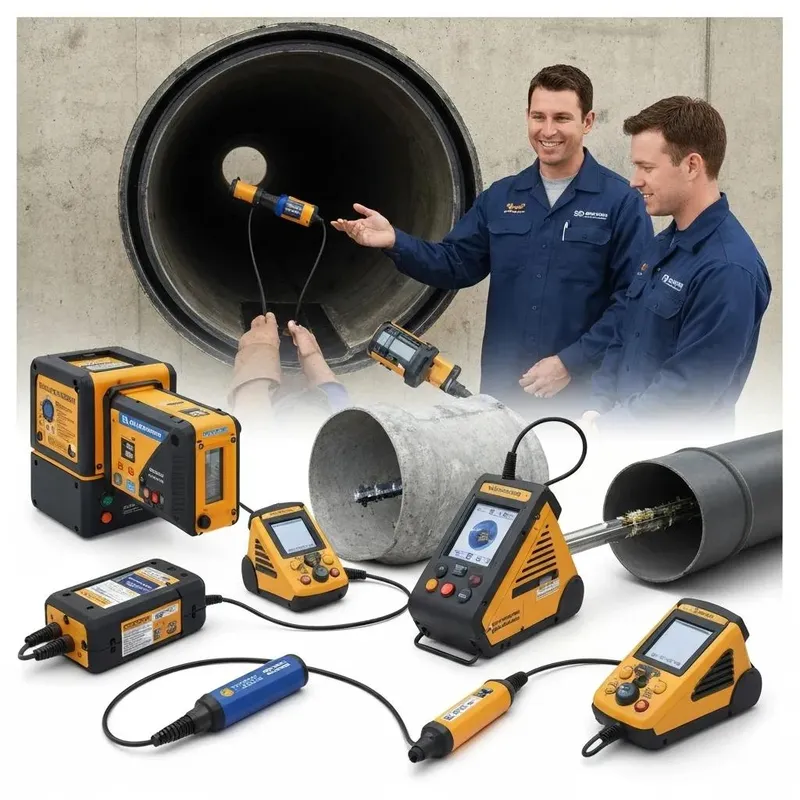
Modern locating systems enhance reliability by combining electronic signalling, high-resolution imaging and non-destructive subsurface scanning, delivering centimetre-level accuracy with minimal ground disturbance.
These technologies strengthen safety, accelerate diagnostics, and optimise repair planning across residential and commercial sites.
What Is Video Pipe Inspection and How Does It Detect Sewer Line Issues?
Video pipe inspection involves inserting a waterproof camera into your sewer line to provide live images of pipe interiors.
- It identifies cracks, offsets and root intrusion
- It confirms exact pipe routing and depth
- It records the inspection for later analysis
This method boosts diagnostic accuracy and guides targeted interventions without extensive digging.
How Does Ground Penetrating Radar (GPR) Locate Underground Sewer Pipes?
Ground penetrating radar emits high-frequency electromagnetic pulses into the soil and measures wave reflections from subsurface objects.
- It detects plastic, clay or metal pipes without excavation
- It maps pipe depth and alignment across wide zones
- It distinguishes utilities in congested areas
This non-invasive scanning technology improves safety and prevents accidental breaks.
Investigating New Underground Utility Location Technologies and Novel Methods to Improve the Safety and Efficiency of Highway Construction
Recent advancements in underground utility detection technologies, particularly Ground-Penetrating Radar (GPR), have significantly improved the industry. GPR offers faster and more accurate data acquisition through multi-channel devices and various wave frequencies, with refined data interpretation and visualization techniques enhancing location accuracy and user-friendliness.
This research directly supports the article’s discussion on how modern technologies like GPR enhance the accuracy and efficiency of sewer line location.
What Are Electromagnetic Locators and When Are They Used?
Electromagnetic locators trace sewer lines by transmitting an electrical signal from a sonde or transmitter down the pipe.
- They accurately mark metallic or tracer-wire-equipped non-metallic pipes
- They determine depth, direction and length of buried lines
- They operate efficiently in urban settings with multiple utilities present
Professional teams use these tools for quick surveys and confirmation of existing maps.
How Does Hydro Vacuum Excavation Support Safe Sewer Line Location?
Hydro vacuum excavation combines high-pressure water jets with vacuum removal of soil to expose buried pipes gently.
- It uncovers pipes without heavy machinery
- It preserves surrounding landscaping and infrastructure
- It prevents accidental pipe contact during digging
This method offers a precision alternative for critical exposure points.
What Are the Benefits of Non-Invasive Sewer Line Locating Technologies?
- Enhance worker safety by reducing manual digging
- Preserve site integrity and landscaping
- Lower project timelines and costs
- Provide reliable data for planning repairs or upgrades
These advantages deliver peace of mind and precise mapping outcomes.
Where Are Sewer Cleanouts Typically Located and How Can You Find Them?

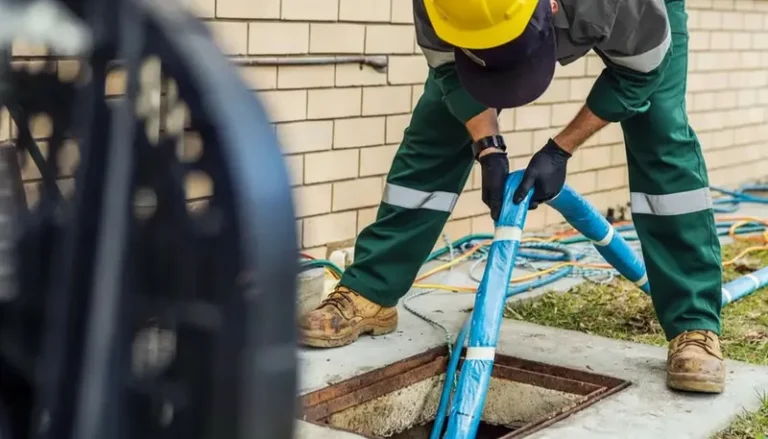
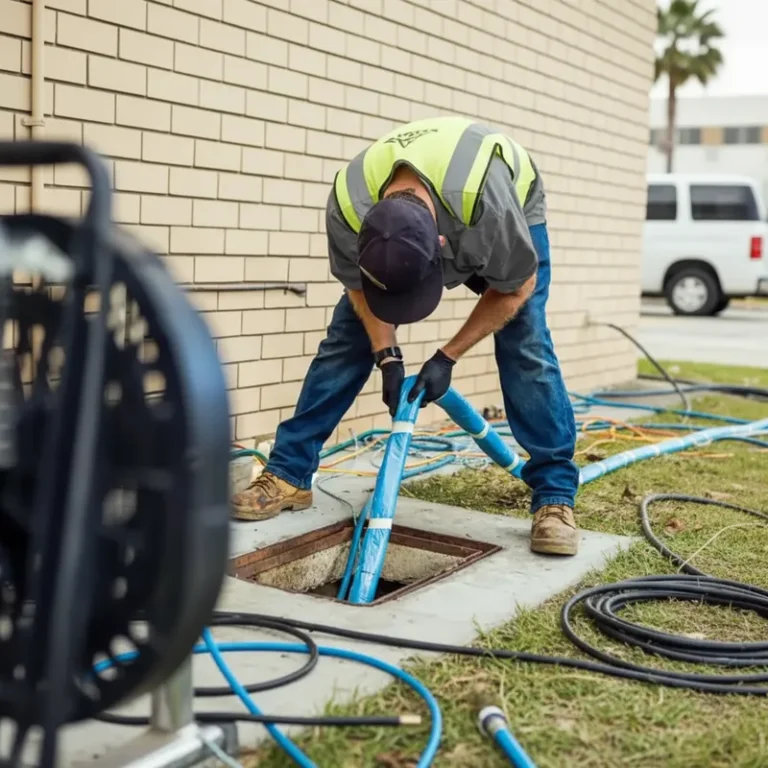
A sewer cleanout is a capped access pipe that connects directly to the main sewer line, enabling inspection and clog removal without extensive excavation.
Knowing cleanout positions accelerates maintenance and emergency interventions, reducing service downtime.
What Is a Sewer Cleanout and Why Is It Important?
A sewer cleanout provides direct entry into your drainage system through a removable cap.
- It allows snaking and video inspection
- It prevents invasive access through fixtures
- It minimises service disruption during blockages
Regularly locating cleanouts ensures prompt response to clogs and pipe damage.
How Do You Locate Outdoor Sewer Cleanouts Near Your Property?
- Within one metre of the home foundation, against the exterior wall
- Along property line easements, near sidewalks or driveways
- Adjacent to grade-level caps marked by round or square covers
Probing along expected pipe routes and inspecting elevation changes in yard surfaces can pinpoint hidden access points.
How Can Indoor Sewer Cleanouts Be Identified in Basements or Crawl Spaces?
- On basement walls within 150 mm of the floor
- Near floor drains or within crawl space junction areas
- Behind removable panels labeled “sewer cleanout”
Lighting and gentle probing reveal capped fixtures disguised among utility lines.
Why Is Knowing Sewer Cleanout Location Crucial for Maintenance?
Immediate cleanout access stops blockages from escalating into backups, lowering the risk of structural damage and unsanitary conditions. Prepared property owners save time and expense by guiding technicians directly to service points.
What Are the Common Signs of Sewer Line Problems That Indicate Location Services Are Needed?
Early detection of sewer line issues prevents health hazards and extensive property damage. Monitoring specific symptoms provides clear triggers for professional intervention.
What Warning Signs Suggest Sewer Line Blockages or Damage?
- Slow or gurgling drains across multiple fixtures
- Persistent foul odours near floor drains or yard patches
- Soggy or sunken spots in landscaping above pipe routes
- Sewage backups into tubs, sinks or toilets
These symptoms signal restricted flow or compromised pipe integrity.
How Do Tree Roots and Soil Conditions Affect Sewer Lines in Miami-Dade?
In South Florida, aggressive root systems from ficus and gumbo limbo trees penetrate older clay or cast-iron pipes, causing cracks and blockages. Sandy soils also shift with heavy rainfall, leading to pipe misalignment. Accurate line locating helps isolate root-intruded segments for trenchless remediation.
Understanding Tree Root Invasion in Miami
Tree root invasion is a prevalent issue in Miami, where aggressive root systems from lush vegetation penetrate sewer pipes in search of water and nutrients. This often leads to cracks, blockages, and significant damage, particularly in older pipes with existing vulnerabilities.
This citation supports the article’s claim about the specific challenges posed by tree roots in Miami-Dade’s environment and the need for accurate line locating to address such issues.
When Should You Call Emergency Plumbing Services for Sewer Issues?
- Sewage appears on living spaces or yard.
- Major backups occur in multiple fixtures.
- Structural cracks appear in foundation walls near drains.
Swift locating and repair prevents health risks and expensive structural repairs.
Why Should You Hire a Professional for Sewer Line Location in Miami-Dade County?
Experienced technicians combine regional insight, specialised equipment and procedural precision to map sewer systems safely and comprehensively.
Their services not only locate pipelines but also deliver actionable data for maintenance, renovation or extension projects.
How Do Professionals Ensure Accuracy and Safety in Sewer Line Detection?
- Review property records and obtain permits.
- Mark known utilities using 811 call-before-you-dig.
- Deploy GPR, electromagnetic locators, or video inspection.
- Validate findings with hydro vacuum excavation if needed.
This structured approach minimises risk and confirms mapping accuracy.
What Are the Advantages of Professional Sewer Line Mapping Over DIY Methods?
- Centimetre-level precision and documentation
- Liability protection under local building codes
- Access to trenchless exposure and advanced diagnostics
- Detailed reports for contractors and compliance inspections
These benefits far exceed the limited scope of homeowner methods.
How Do Professionals Provide Comprehensive Inspection and Reporting?
After detection, teams compile:
- Geo-referenced maps showing pipe layout
- Depth measurements and material identification
- Video footage of internal pipe conditions
- Written recommendations for repair or maintenance
Clients receive a complete dossier to guide future work and satisfy regulatory requirements.
What Miami-Dade County Regulations and Permits Affect Sewer Line Location and Excavation?
Miami-Dade County mandates proper permitting, utility notifications and clear delineation between public and private sewer assets to safeguard infrastructure and public health.
Understanding these rules prevents project delays and fines.
What Are the Local Permitting Requirements for Sewer Line Excavation?
All excavation deeper than 450 mm on private property requires:
- A building permit from the County Permitting Office
- An approved site plan showing proposed trenching
- Environmental clearance if near wetlands or flood zones
Securing these permits ensures lawful digging and inspections.
How and When Should You Call 811 Before Digging in Miami-Dade?
Property owners must contact 811 at least three business days before any ground-disturbing activity. This free service locates water, sewer, gas and telecom lines, preventing utility strikes and legal penalties.
What Is the Difference Between Public and Private Sewer Lines in Miami-Dade?
| Sewer Type | Ownership | Maintenance Responsibility |
|---|---|---|
| Public Main | County or municipality | Government agencies |
| Private Lateral | Individual homeowner or business | Property owner |
Where Can You Find Local Utility Contact Information and Property Sewer Maps?
County resources include:
- Miami-Dade Permitting & Inspection Center for site plans
- Water and Sewer Department public records portal
- GIS mapping services at the County’s online map viewer
Knowing exactly where your sewer pipes run beneath the ground empowers homeowners and businesses to protect property, streamline repairs, and meet local regulations seamlessly. For expertly executed sewer line location—backed by advanced technologies and deep Miami-Dade expertise—partner with a trusted team of professionals who deliver precise maps, thorough reporting, and peace of mind. When you’re ready to safeguard your drainage infrastructure and schedule a service, expert technicians stand by to assist.
Frequently Asked Questions
What should I do if I suspect a sewer line blockage?
If you suspect a blockage in your sewer line, it’s crucial to act quickly. Start by checking for common signs such as slow drains, gurgling sounds, or unpleasant odours. Avoid using water fixtures to prevent further backups. If the issue persists, contact a professional plumber who can perform a thorough inspection, often using video pipe inspection technology to identify the blockage’s location and cause. Early intervention can save you from costly repairs and health hazards.
How often should I have my sewer lines inspected?
It is advisable to have your sewer lines inspected at least every 1 to 2 years, especially if your property is older or has a history of plumbing issues. Regular inspections can help identify potential problems before they escalate, such as tree root intrusion or pipe deterioration. Additionally, consider scheduling an inspection after significant weather events or if you notice any warning signs of sewer line issues. This proactive approach can enhance the longevity of your plumbing system.
Can tree roots really damage my sewer lines?
Yes, tree roots can significantly damage sewer lines, particularly in older systems made of clay or cast iron. Roots seek moisture and nutrients, often infiltrating pipes through small cracks or joints. Once inside, they can cause blockages, leading to backups and potential pipe ruptures. If you suspect root intrusion, it’s essential to have your sewer lines inspected by professionals who can assess the damage and recommend appropriate remediation methods, such as trenchless repair techniques.
What are the costs associated with professional sewer line location services?
The costs for professional sewer line location services can vary widely based on factors such as the complexity of the job, the technology used, and the local market rates. On average, homeowners can expect to pay between £150 to £500 for a comprehensive inspection and mapping service. This investment can save you money in the long run by preventing costly repairs and ensuring compliance with local regulations. Always request a detailed quote before proceeding with services.
How can I prepare for a sewer line inspection?
To prepare for a sewer line inspection, clear the area around any known cleanouts or access points to ensure easy access for technicians. Inform your plumber of any previous issues or symptoms you’ve noticed, such as slow drains or foul odours. Additionally, ensure that any landscaping or structures that may obstruct access are moved or adjusted. This preparation can help the inspection process go smoothly and efficiently, leading to quicker diagnosis and resolution of any issues.
What should I do if I find a sewer cleanout on my property?
If you discover a sewer cleanout on your property, it’s essential to keep it accessible for maintenance and emergency situations. Cleanouts allow for easy access to your sewer line for inspections and clearing blockages. Ensure that the area around the cleanout is free from debris and landscaping. If you are unsure about its function or location, consult a plumbing professional who can provide guidance on its importance and how to maintain it properly.
Are there any environmental concerns related to sewer line issues?
Yes, sewer line issues can pose significant environmental concerns. Leaks or ruptures can lead to untreated sewage contaminating soil and groundwater, posing health risks to humans and wildlife. Additionally, blockages can cause sewage backups, leading to overflows that can pollute local waterways. Regular inspections and maintenance of sewer lines are crucial to prevent these environmental hazards. If you suspect a problem, contact a professional immediately to mitigate potential damage and ensure compliance with environmental regulations.