
Water Heater Problems in Miami-Dade: Causes, Repairs, and Solutions
Homeowners in South Florida know that a reliable water heater is essential for daily comfort, yet Miami-Dade’s high mineral content and humidity can accelerate tank corrosion, leaks, and inefficiency.
2024 Water Quality Report
Miami-Dade County’s drinking water, sourced primarily from the Biscayne Aquifer, undergoes treatment processes, including lime treatment at facilities like the Alexander Orr, Jr. plant, to reduce water hardness. This indicates the presence of minerals that contribute to hardness in the local water supply.
This report directly verifies the presence of hard water conditions in Miami-Dade County and the efforts to mitigate it, supporting the article’s premise about local water conditions affecting water heaters.

In this comprehensive guide, you’ll discover the most common water heater problems, learn step-by-step troubleshooting and maintenance techniques, understand repair versus replacement costs, and find out when to call certified technicians. We cover leak detection, no-hot-water diagnostics, noisy operation caused by sediment buildup, rust symptoms, typical repair expenses, and the decision criteria for upgrading or maintaining your unit. Armed with expert insights and local solutions, you can restore hot water performance and extend your heater’s lifespan.
What Are the Most Common Water Heater Problems in Miami-Dade?
Water heaters in Miami-Dade County frequently suffer from scale accumulation, corrosion, and component failures due to hard water and tropical climate stresses. Recognizing these issues early ensures prompt solutions and helps homeowners avoid extensive damage.
What Causes Water Heater Leaking and How Can It Be Identified?
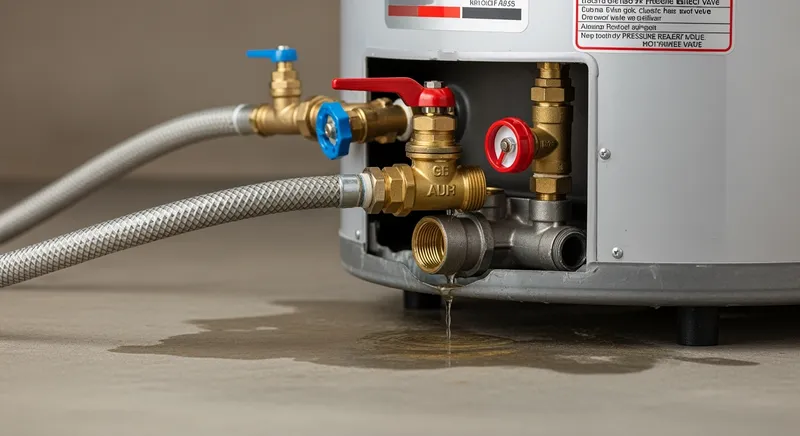
A leaking heater results from weakened seals, corroded tanks, or faulty safety valves. Loose pipe fittings, a compromised T&P (temperature and pressure) valve, and tank perforations each manifest differently:
- Signs of loose connections include dripping around inlet/outlet fittings and moisture on adjacent floors.
- A failing T&P valve leaks when pressure spikes, often leaving water stains below the valve lever.
- Tank corrosion produces continuous weeping along the tank’s bottom seam.
Identifying the exact source requires visual inspection and moisture tracing to prevent misdiagnosis and unnecessary replacement.
Why Is My Water Heater Not Producing Hot Water?
Thermostat misadjustment, burnt-out heating elements, and pilot light outages in gas units all interrupt hot water supply. An electric thermostat failure cuts power to one or both immersion elements, while gas pilot light loss halts burner ignition. Inconsistent power due to tripped breakers also disables electric models, causing cold-water output until the circuit resets.
What Are the Signs of a Noisy Water Heater and Sediment Buildup?
Rumbling, popping, or hissing noises indicate sediment has settled at the tank base, trapping steam under mineral deposits. Over time, this buildup reduces heat transfer and can warp the tank bottom. Homeowners often notice:
- Rumbling as hot water bubbles through sediment layers.
- Popping when steam pockets burst beneath scale.
- Crackling from metal expansion around hot spots.
Addressing sediment buildup promptly improves efficiency and prevents premature tank failure.
Impacts of Water Quality on Residential Water Heating Equipment
Highly alkaline water, characterized by elevated mineral content, leads to the accumulation of scale (sediment) within water heaters. This scale acts as an insulating barrier, reducing heating efficiency, increasing energy consumption, and ultimately shortening the lifespan of both tankless and storage water heaters.
This report directly supports the article’s claims about how sediment buildup from hard water reduces efficiency and lifespan, providing a credible, government-backed source for these effects.
How Does Rusty Water Indicate Water Heater Problems?
Rusty or discolored hot water signals anode-rod depletion and inner tank corrosion. The sacrificial anode rod attracts corrosive elements; once it dissolves, the steel tank itself oxidizes. Rust flakes may clog faucets and pose health concerns. Regular rod replacement delays tank perforation and maintains water quality.
How Do Local Miami-Dade Conditions Affect Water Heater Performance?
High mineral content in Miami-Dade’s water accelerates scale formation, reducing heat exchange and increasing fuel or electricity consumption. Warm ambient temperatures can stress thermostat controls, and coastal humidity promotes external corrosion of valves and fittings. Tailored maintenance schedules and corrosion-resistant components are essential to maintain optimal operation in South Florida’s environment.
How Can You Troubleshoot and Fix Water Heater Leaks?
Diagnosing leak origins and applying targeted repairs prevents water damage and prolongs service life. Follow safety guidelines and consult professionals when leaks stem from tank corrosion.
What Are the Differences Between Leaks from the Top, Bottom, and Valves?
Leaks at the tank top typically arise from inlet/outlet fittings or heating element gaskets. Bottom-side leaks indicate tank corrosion or a faulty drain valve. Valve leaks—usually from the T&P relief or drain valve—result from worn seals or blocked outlets. Pinpointing the leak location guides the correct repair path, whether tightening fittings, replacing valves, or evaluating tank integrity.
How Does a Faulty Pressure Relief Valve Cause Leaks?
A pressure relief valve opens when internal pressure exceeds safe limits, venting excess water. If its spring or sealing disc corrodes, the valve may drip continuously or fail to seat properly. Regular valve testing and replacing malfunctioning valves ensure safe pressure management and prevent leaks.
What Immediate Steps Should You Take When Your Water Heater Leaks?
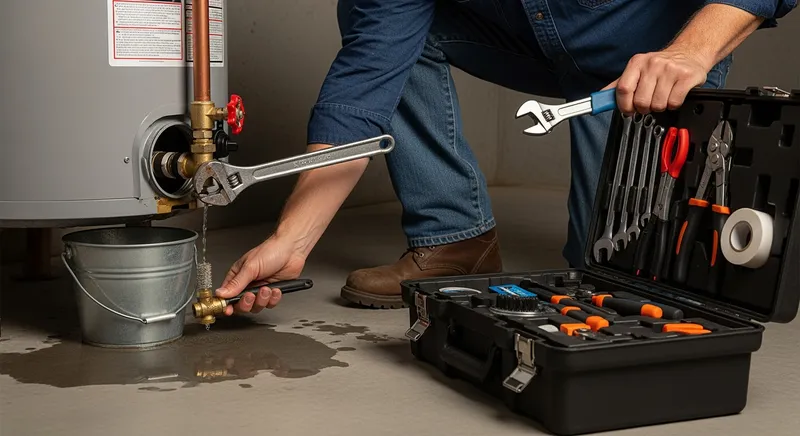
Before any repair, shut off power or gas supply and close the cold-water inlet.
- Turn off the electrical breaker or gas control knob.
- Close the main water supply valve above the heater.
- Drain a few gallons via the drain valve into a bucket to relieve pressure.
- Place absorbent towels under the leak zone to protect flooring.
These precautions reduce risk and prepare the unit for inspection or professional service.
When Is Professional Leak Repair Necessary in Miami-Dade?
Call certified technicians if you observe continuous tank weeping (sign of corrosion), high-pressure relief valve failures, or leaks from welded seams. Professionals can evaluate structural integrity, perform certified valve replacements, and recommend tank upgrades under South Florida’s building codes.
Why Is There No Hot Water From Your Heater and How to Resolve It?
No hot water disrupts daily routines and can stem from electrical, gas, or mechanical faults. Component-level troubleshooting restores heating function rapidly.
How Do Thermostat and Heating Element Failures Affect Hot Water Supply?
A malfunctioning thermostat fails to signal the heating element, resulting in cold output despite power availability. Burnt-out elements lose heating capacity entirely. Testing with a multimeter verifies continuity and guides element or thermostat replacement.
What Role Does the Pilot Light Play in Gas Water Heater Heating?
The pilot light ignites the main burner on demand. If the thermocouple senses a weak flame or the pilot assembly is clogged, the burner will not ignite, leaving only cold water. Cleaning the pilot or replacing the thermocouple often restores reliable ignition.
How Can Electrical Issues Like Tripped Breakers Cause No Hot Water?
Electric heaters use dedicated breakers that trip when internal thermostats or elements short. After resetting the breaker, ensure the heater’s lower thermostat is functional. Repeat tripping indicates deeper wiring or component issues requiring professional electrical diagnostics.
When Should You Schedule Professional Diagnostics and Repair?
Schedule expert service if reset breakers fail to restore heat, if you detect gas smells near the pilot, or if multimeter tests reveal nonlinear readings. Certified technicians provide safe inspections, part replacements, and code-compliant repairs in Miami-Dade homes.
What Causes Water Heater Noise and How Can You Flush Sediment Buildup?
Sediment accumulation inside tank-style heaters comes from dissolved minerals precipitating at high temperatures. Regular flushing maintains efficiency and quiet operation.
What Are Common Noises from Water Heaters and Their Meanings?
Sediment-related sounds fall into three categories:
- Rumbling: Water trapped under sediment bubbles and bursts.
- Popping: Mineral layers crack as steam forms beneath.
- Sizzling: Water droplets contact hot metal due to uneven scale.
These acoustic cues predict maintenance needs before efficiency losses escalate.
How Does Sediment Buildup Affect Water Heater Efficiency and Lifespan?
Accumulated sediment acts as an insulating barrier, forcing heating elements to run longer and consume more energy. Over time, metal fatigue and localized overheating can shorten tank lifespan by several years.
What Are the Best Methods for Flushing and Maintaining Your Water Heater?
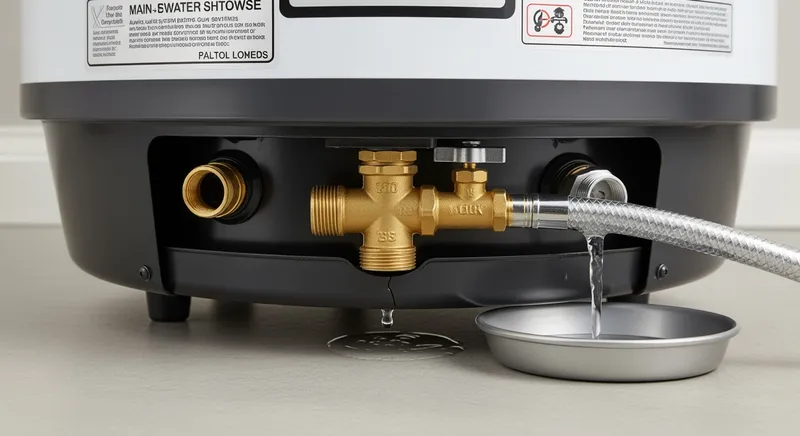
Begin with a full annual flush using the drain valve:
- Turn off power or gas supply and close inlet valve.
- Attach a hose to the drain port and direct discharge outdoors.
- Open the drain valve and let water run until clear.
- Briefly open the cold-water inlet to stir remaining deposits.
- Close valves, refill tank, and restore power.
Routine flushing and occasional power-flushing by professionals restore heat transfer surfaces and minimize noise.
How Often Should Sediment Removal Be Performed in Miami-Dade Homes?
In Miami-Dade’s hard-water conditions, perform a basic annual drain-and-flush and schedule comprehensive professional descaling every two years for optimal efficiency and reduced mineral damage.
How to Identify and Fix Rusty Water Heater Issues?
Rust indicates corrosion that compromises water quality and tank strength. Early detection prevents leaks and health risks.
What Is the Function of the Anode Rod and How Does Its Corrosion Affect Water Quality?
The sacrificial anode rod attracts corrosive ions, protecting the steel tank. Once the rod is consumed, iron oxidation accelerates, causing rusty or metallic-tasting hot water.
Impacts of Water Quality on Residential Water Heating Equipment
Corrosion in water heaters is an electrochemical process where one part of the metal tank acts as an anode and another as a cathode. Sacrificial anode rods are designed to be more reactive, corroding themselves to protect the steel tank from corrosive elements, thereby extending the water heater’s operational life.
This report provides a foundational understanding of corrosion in water heaters and the role of sacrificial anodes, directly supporting the article’s explanation of anode rod function and tank protection.
Replacing the anode rod annually preserves tank integrity and maintains clear water.
How Does Tank Corrosion Develop and When Is Replacement Needed?
Corrosion begins internally once the anode rod is spent, forming rust pits that perforate the tank wall. If rust is visible on the outer surface or water discoloration persists after rod replacement, tank replacement becomes the only reliable solution to prevent leaks.
What Are the Health and Safety Risks of Rusty Hot Water?
Ingesting rust-tainted water can cause minor gastrointestinal irritation and stain fixtures and laundry. Corroded tanks may suddenly leak, creating flood hazards and electrical safety risks near power connections.
How Can Regular Maintenance Prevent Rust and Extend Water Heater Life?
Annual inspection of the anode rod, combined with periodic tank flushing, removes corrosive particles and identifies early rust spots. Protective magnesium or aluminum alloy rods minimize oxidative damage and prolong heater lifespan by several years.
What Are the Typical Water Heater Repair Costs in Miami-Dade County?
Repair expenses vary by component, model, and urgency. Understanding cost ranges helps homeowners budget and compare repair versus replacement.
Before reviewing specific costs, consider how location-based labor rates and parts availability influence final quotes in Miami-Dade’s competitive market.
| Repair Service | Typical Range | Service Time |
|---|---|---|
| T&P Valve Replacement | USD 100–150 | 30–45 minutes |
| Heating Element Replacement | USD 150–250 | 1–1.5 hours |
| Anode Rod Replacement | USD 120–200 | 45–60 minutes |
| Thermostat and Control Kit | USD 200–300 | 1–2 hours |
| Leak Diagnosis (Service Call) | USD 80–120 | 30 minutes |
How Do Repair Costs Vary by Problem Type and Water Heater Model?
Tankless models often require specialized parts and labor rates up to 50 percent higher than conventional tanks. Electric tanks incur moderate element and thermostat costs, while gas units may need burner assembly or pilot system servicing, increasing labor time.
What Are the Cost Differences Between Repair and Replacement?
Repairing minor issues typically costs 20–40 percent of a new tank’s price, whereas major tank corrosion or heating assembly failures approach replacement costs. A new mid-efficiency electric unit averages USD 700–1,000 installed, making extensive repairs less economical.
How Does Transparent Pricing and Service Guarantees Benefit Homeowners?
Upfront estimates, flat-rate labor, and warranty-backed parts ensure no hidden fees and build homeowner confidence. Guaranteed workmanship reduces follow-up calls and secures lasting performance under Miami-Dade’s warranty regulations.
Are Emergency Water Heater Repairs More Expensive?
After-hours and weekend service calls carry premium labor rates of 1.5–2× standard pricing. Planning routine maintenance outside emergency windows minimizes extra costs and ensures prompt, budget-friendly service.
When Should You Consider Water Heater Replacement or Professional Maintenance?
Knowing when maintenance ends and replacement begins saves time and money while preventing sudden failures.
What Are the Signs That Indicate It’s Time to Replace Your Water Heater?
Key indicators include persistent rusty water after anode-rod changes, frequent heating-element failures, visible corrosion on tank surfaces, and units older than 10–12 years showing reduced efficiency and rising energy bills.
How Do Different Water Heater Types Compare: Electric, Gas, and Tankless?
| Heater Type | Fuel Source | Lifespan | Efficiency Rating |
|---|---|---|---|
| Electric | Electricity | 10–12 years | 90% (EER) |
| Gas | Natural Gas | 8–10 years | 75–85% (EF) |
| Tankless | Gas/Electric | 20+ years | 95%+ (EF/UEF) |
What Does Professional Water Heater Maintenance Include?
Certified maintenance packages encompass anode-rod inspection, full tank flushing, valve testing, burner or element checks, and diagnostic controls calibration. Technicians document each step and recommend proactive part replacements to avoid breakdowns.
How Does Regular Maintenance Extend Water Heater Lifespan and Save Costs?
Routine care prevents scale accumulation, preserves protective rods, and ensures accurate thermostat operation. Well-maintained heaters operate 10–20 percent more efficiently and often outlast unserviced units by several years.
How to Choose a Certified Miami-Dade Plumber for Water Heater Services?
Select technicians licensed by Miami-Dade County, insured, and trained on local code requirements. Look for clear pricing, written warranties, positive customer reviews, and rapid emergency response to guarantee reliable water heater performance.
Hot water reliability in Miami-Dade County hinges on timely diagnosis, quality repairs, and preventative maintenance. By recognizing leak sources, sediment-related noises, rust warning signs, and repair cost benchmarks, you gain control over your water heating system’s performance and budget. Expert attention when needed and routine service tailored to South Florida’s conditions ensure safe, efficient hot water for years to come.
Frequently Asked Questions
What are the benefits of regular water heater maintenance?
Regular maintenance of your water heater can significantly extend its lifespan and improve efficiency. By scheduling annual inspections, you can identify potential issues early, such as sediment buildup or corroded components. This proactive approach not only helps prevent costly repairs but also ensures that your unit operates at optimal efficiency, reducing energy consumption and utility bills. Additionally, well-maintained heaters are less likely to experience unexpected breakdowns, providing peace of mind for homeowners.
How can I improve the efficiency of my water heater?
Improving the efficiency of your water heater can be achieved through several methods. First, regularly flushing the tank to remove sediment buildup is crucial, as this allows for better heat transfer. Insulating the hot water pipes and the heater itself can also reduce heat loss. Additionally, setting the thermostat to a moderate temperature (around 60°C) can prevent overheating and save energy. Finally, consider upgrading to a more efficient model, such as a tankless water heater, which heats water on demand.
What should I do if my water heater is making unusual noises?
If your water heater is making unusual noises, such as rumbling or popping, it may indicate sediment buildup at the bottom of the tank. This sediment can trap steam, causing the noises as it tries to escape. To address this, you should flush the tank to remove the sediment. If the noises persist after flushing, it may be a sign of a more serious issue, such as a failing heating element, and you should consult a professional for further diagnosis.
How can I tell if my water heater needs to be replaced?
Signs that your water heater may need replacement include persistent leaks, rusty or discoloured water, and frequent repairs. If your unit is over 10 years old and shows reduced efficiency or rising energy bills, it may be time to consider a replacement. Additionally, if you notice any visible corrosion on the tank or if the heater fails to provide adequate hot water, these are strong indicators that a new unit may be necessary to ensure reliable performance.
What are the environmental impacts of old water heaters?
Old water heaters can have significant environmental impacts due to their inefficiency and potential for leaks. An outdated unit often consumes more energy, leading to higher greenhouse gas emissions. Additionally, if a tank leaks, it can cause water damage and contribute to local water pollution. Upgrading to a modern, energy-efficient model not only reduces energy consumption but also minimizes the risk of leaks and environmental contamination, making it a more sustainable choice for homeowners.
Are there any local regulations for water heater installations in Miami-Dade?
Yes, Miami-Dade County has specific regulations regarding water heater installations to ensure safety and compliance with building codes. These regulations may include requirements for permits, inspections, and adherence to energy efficiency standards. It is essential to hire a licensed and insured plumber familiar with local codes to ensure that your installation meets all necessary regulations. This not only guarantees safety but also protects your investment in the long run.
What types of water heaters are best suited for Miami-Dade’s climate?
In Miami-Dade’s humid and mineral-rich environment, tankless water heaters and models with corrosion-resistant features are often the best choices. Tankless heaters provide hot water on demand, reducing the risk of sediment buildup and improving efficiency. Additionally, selecting units with protective coatings or sacrificial anode rods can help combat corrosion caused by the local water quality. Consulting with a local expert can help you choose the most suitable model for your specific needs and conditions.