
Is Your Kitchen Plumbing Up To Code? Find Out Now
Kitchen plumbing is vital for a smooth-running home. You might face issues like leaky faucets or clogged sinks, which can disrupt your daily tasks. Regular maintenance can save you from costly repairs and water damage down the line. Understanding your kitchen’s drainage system is also fundamental. But how do you know when it’s time to tackle these problems yourself or call in a professional? Let’s explore the common challenges and solutions that can keep your kitchen functioning efficiently.
Essential Kitchen Plumbing Tips: Prevent Clogs & Leaks
- Common kitchen plumbing issues include dripping faucets, clogged drains, and leaks that can cause water damage if not addressed promptly.
- Regular maintenance such as inspections and cleanings can prevent clogs and leaks, saving time and money.
- Using strainers in sinks helps catch food particles and debris, reducing the risk of clogs.
- Upgrading to low-flow faucets and energy-efficient appliances can conserve water and reduce utility bills.
- Call a professional plumber for severe leaks, persistent clogs, or when unsure about plumbing regulations to ensure safety and compliance.
Common Kitchen Plumbing Issues
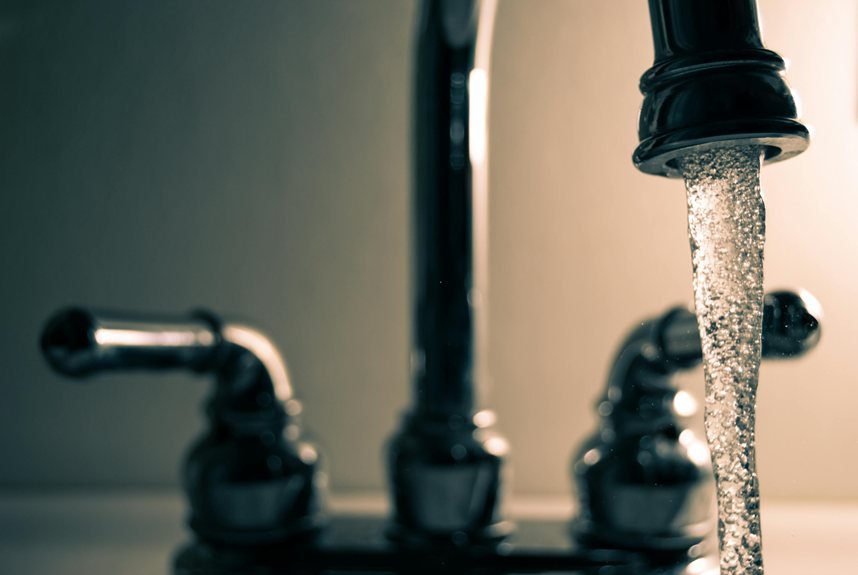
When you’re in the kitchen, plumbing issues can quickly disrupt your cooking and daily routine. Common problems include dripping faucets, clogged drains, and leaks around sink installations.
To prevent these issues, regular faucet maintenance is essential. Check for mineral buildup, clean aerators, and replace worn washers to maintain peak function. Additionally, verify your sink installation is secure and properly sealed to avoid leaks that can lead to water damage.

Always keep your drain clear by avoiding the disposal of grease or large food particles. If you notice slow drainage, consider using a plunger or a drain snake before resorting to chemical cleaners, as these can damage your pipes. Regular inspections by professional plumbers in Miami Dade County can help identify potential issues before they become major problems.
Identifying Leaky Faucets
How can you tell if your faucet is leaking? Identifying a leak is essential for maintaining your kitchen plumbing. Here are some effective leak detection methods for various faucet types:
- Listen for Drips: Pay attention to any constant dripping sounds, even when the faucet is turned off.
- Check for Water Spots: Look under the sink and around the faucet base for water stains or puddles.
- Inspect the Handle: If you notice water seeping from the handle area, it may indicate a worn washer or cartridge.
- Monitor Water Bills: A sudden increase in your water bill can signal a hidden leak somewhere in your plumbing system.
Additionally, professional plumbers in Miami Dade County can provide expert assistance for leak detection and repairs. Stay vigilant with these signs to prevent further damage and costly repairs.
Dealing With Clogged Sinks
Clogged sinks can be a frustrating issue, especially during meal prep or clean-up. To tackle this problem, you can try several sink unclogging methods.
First, use a plunger to create suction and dislodge the blockage. If that fails, consider a mixture of baking soda and vinegar, which can effectively break down grease and debris.
For persistent clogs, a plumber’s snake can reach deeper blockages.
Additionally, explore kitchen drain alternatives, like installing a sink strainer to catch food particles before they enter the drain.
If these methods don’t work, it might be time to call a professional plumber. Regular maintenance can help prevent these clogs from becoming a recurring issue. Professional plumbers in Miami Dade County can provide expert assistance for more complex plumbing problems.
Preventative Maintenance Tips
Preventing clogged sinks starts with proper maintenance. By incorporating a few simple practices, you can keep your kitchen plumbing in top shape.
Here are some preventative maintenance tips to follow:
- Conduct routine inspections: Regularly check your pipes and connections for leaks or wear.
- Schedule routine cleanings: Clean your sink and drain regularly to remove food particles and grease buildup.
- Use strainers: Install strainers in your sink to catch debris before it goes down the drain.
- Avoid harsh chemicals: Use natural cleaners and avoid pouring grease or food scraps down the sink to minimize blockages.
Additionally, professional plumbers can provide expert advice and assistance to ensure your plumbing remains functional and efficient.
Understanding Kitchen Drainage Systems
A well-functioning kitchen drainage system is vital for the smooth operation of any home. Understanding the various kitchen drain types—such as sink drains, garbage disposals, and floor drains—helps you manage your system effectively. Each type serves a unique purpose, directing wastewater away from your home.
Regular drainage system maintenance is important; it prevents clogs and extends the life of your plumbing. You should routinely inspect and clean your drains to remove debris and buildup. Be mindful of what goes down your kitchen sink, avoiding grease and large food particles that can cause blockages. Additionally, employing professional plumbers in Miami Dade County can provide expert assistance for any plumbing issues you encounter.
DIY Repairs for Kitchen Plumbing
While minor kitchen plumbing issues can be frustrating, tackling them yourself can save time and money.
Here are some common DIY repairs you can handle with basic plumbing materials:
- Leaky Faucet: Replace washers or cartridges to stop annoying drips.
- Clogged Sink: Use a plunger or a plumbing snake to clear blockages effectively.
- Running Toilet: Adjust or replace the flapper to fix continuous running.
- Loose Pipes: Tighten or replace fittings to prevent leaks.
For these kitchen repairs, make certain you have the right tools and materials on hand.
Familiarize yourself with the specific plumbing systems in your kitchen, and don’t hesitate to consult tutorials or guides if you need assistance.
When to Call a Professional
Even with your DIY skills, some kitchen plumbing issues require professional intervention.
If you encounter severe leaks, persistent clogs, or water pressure problems, it’s time to contemplate hiring contractors. These situations can escalate quickly and may lead to emergency plumbing scenarios, which are best handled by experts.
Additionally, if you’re unsure about the plumbing codes or local regulations, professionals can guarantee compliance and prevent future issues.
Don’t attempt complex repairs that could cause more damage; your time and money are valuable.
Essential Tools for Kitchen Plumbing
Having the right tools for kitchen plumbing can make all the difference when tackling repairs or installations.
Equipping yourself with these essential items will streamline your tasks and enhance efficiency:
- Plumbing Wrenches: These are vital for tightening or loosening nuts and fittings. A pipe wrench and an adjustable wrench are both indispensable.
- Pipe Sealants: Use these to prevent leaks in threaded joints. It’s essential for ensuring a watertight seal.
- Plunger: A reliable tool for clearing clogs in sinks and drains. Always keep one handy.
- Pipe Cutters: These allow for precise cuts in various pipe materials, making installations smoother.
With these tools, you’ll be well-prepared to handle any kitchen plumbing challenge that comes your way.
Eco-Friendly Plumbing Solutions
As you consider ways to enhance your kitchen plumbing, exploring eco-friendly solutions can greatly reduce water waste and lower your utility bills.
Start by choosing fixtures made from sustainable materials, like recycled metals or bamboo. Low-flow faucets and aerators are excellent options, conserving water without sacrificing performance.
Installing a dual-flush toilet can also promote water conservation, allowing you to use less water for liquid waste.
Additionally, consider tankless water heaters that heat water on demand, minimizing energy use.
Regularly check for leaks and repair them promptly to avoid unnecessary water loss.
Cost-Effective Plumbing Upgrades
Upgrading your kitchen plumbing doesn’t have to break the bank; in fact, several cost-effective options can enhance functionality and efficiency.
Here are four budget-friendly fixtures and energy-efficient upgrades to contemplate:
- Low-Flow Faucets: Reduce water usage without sacrificing pressure.
- Energy-Efficient Dishwashers: Save on water and energy bills while ensuring cleaner dishes.
- Pull-Down Sprayers: These versatile fixtures improve kitchen workflow and help in cleaning.
- Pipe Insulation: Prevent heat loss in hot water pipes, increasing efficiency and lowering energy costs.
Kitchen Plumbing Maintenance: Key Takeaways & Next Steps
To summarize, maintaining your kitchen plumbing is essential for a seamless and efficient cooking experience. By tackling common issues like leaky faucets and clogged sinks promptly, you can save yourself from potential disaster and costly repairs. Implementing preventative maintenance and considering eco-friendly upgrades not only benefits your wallet but also the environment. Remember, a well-functioning kitchen plumbing system is the backbone of culinary creativity—without it, you might as well be trying to cook on a deserted island!