
Why Proper Gas Line Installation Can Save You Money Long Term
When you’re considering gas line installation, it’s vital to understand the specific requirements for your appliances and the type of gas being used. Proper planning and adherence to safety standards can prevent costly mistakes. You’ll need to assess BTU requirements, select the right materials, and follow local regulations closely. What tools are essential for this process, and how do you guarantee everything is up to code? Let’s explore these important aspects in detail.
Essential Gas Line Installation Highlights & Safety Tips
- Conduct a gas demand assessment to determine BTU requirements and peak usage for appliances before installation.
- Use appropriate materials and installation techniques to ensure safety and compliance with local codes and regulations.
- Wear personal protective equipment and ensure the workspace is well-ventilated to prevent hazards during installation.
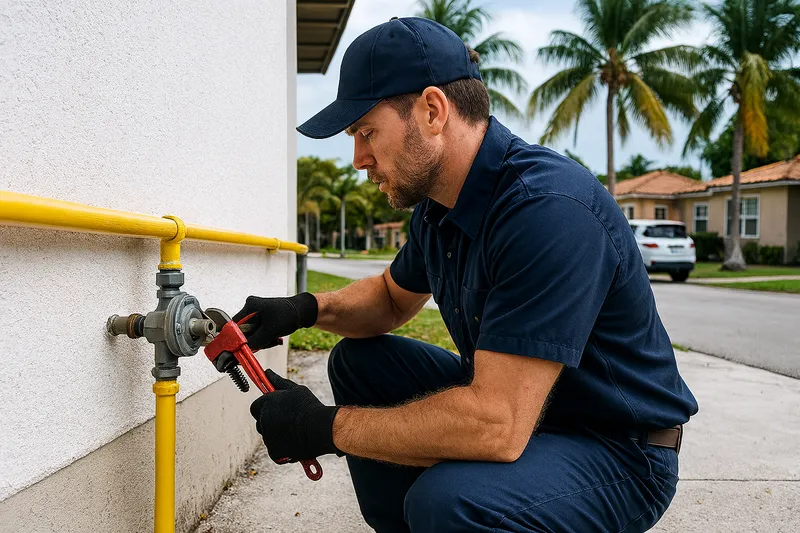
- Utilize essential tools like pipe wrenches, pressure gauges, and Teflon tape to secure and seal gas lines effectively.
- Always check for gas leaks with a soap solution before and after installation to ensure system integrity and safety.
Understanding Gas Line Basics
When you’re considering a gas line installation, it’s essential to understand the basics of how gas lines function.
Gas types, such as natural gas and propane, dictate the materials and installation methods used. Natural gas typically operates at lower pressure levels, while propane requires a higher pressure setup to guarantee efficient flow. Understanding these differences helps you choose the right equipment and fittings for your installation.

Additionally, pressure levels must be regulated to avoid leaks and maintain system integrity. Familiarizing yourself with the specifications for gas types and their pressure requirements is critical for compliance with safety standards.
Proper installation techniques are important to guarantee peak performance and safety in your gas line system.
Assessing Your Gas Line Needs
How do you determine your specific gas line needs? First, conduct a thorough gas demand assessment to understand your usage.
Evaluate the appliances and systems that will utilize gas, as this directly impacts your gas line capacity requirements.
Consider the following factors:
- Total BTU (British Thermal Units) requirements of your appliances
- Peak usage times to gauge maximum demand
- Distance from the gas source to the appliances
- Type of gas being used (natural gas or propane)
- Future expansion plans for additional appliances or systems
Safety Precautions for Gas Line Work
Although gas line installation can be a straightforward task, adhering to strict safety precautions is vital to prevent accidents and guarantee proper functionality.
First, always wear appropriate personal protective equipment, including gloves and goggles, to shield against potential gas line hazards.
Make certain the workspace is well-ventilated and free from flammable materials.
Before starting, check for any gas leaks using a soap solution, and familiarize yourself with emergency procedures, including shutting off the gas supply and evacuating the area if necessary.
Always use the correct tools and materials specified for gas lines to avoid failures.
Finally, never rush the installation process; performing each step carefully is essential to guarantee safety and operational integrity.
Tools Required for Gas Line Installation
To successfully install a gas line, you’ll need several essential tools that guarantee both efficiency and safety.
Having the right equipment on hand guarantees a smooth installation process. Here’s a list of tools you’ll require:
- Pipe Wrenches: For securing and tightening gas pipes effectively.
- Pressure Gauges: To measure and monitor the gas pressure accurately.
- Teflon Tape: Essential for sealing threaded joints to prevent leaks.
- Tube Cutters: For precise cutting of piping materials.
- Safety Goggles: Protect your eyes from debris and potential hazards.
With these tools, you’ll be well-equipped to tackle your gas line installation while adhering to safety protocols and guaranteeing a reliable system.
Step-by-Step Installation Process
Before you begin the gas line installation, make certain you’ve gathered all the necessary tools and materials for the job.
Start by determining the appropriate material types for your installation, such as black iron, flexible stainless steel, or PVC, depending on local codes.
Next, measure and mark the installation route, ensuring it’s free from obstructions.
Use proper installation techniques; for threaded connections, apply Teflon tape to prevent leaks.
Secure piping with appropriate brackets and connectors, ensuring they’re tight but not over-torqued.
If using flexible piping, follow the manufacturer’s guidelines carefully.
Finally, plan for ventilation and access points, maintaining compliance with safety regulations.
Completing these steps methodically will lead to a successful gas line installation.
Testing for Leaks and Ensuring Safety
Once the gas line installation is complete, testing for leaks is essential to confirm safety and functionality.
You need to conduct thorough leak detection to verify compliance with safety standards. Here’s how to effectively test for leaks:
- Use a soap solution: Apply it to joints and connections; bubbles indicate a leak.
- Perform a pressure test: Increase the pressure in the line and monitor for drops.
- Utilize a gas detector: Employ handheld detectors for precise identification of gas leaks.
- Inspect visually: Look for signs of corrosion or damage on the gas line.
- Follow manufacturer guidelines: Always adhere to specific instructions for testing equipment.
Local Codes and Regulations
Following effective leak testing, understanding local codes and regulations is vital for safe gas line installation. You must familiarize yourself with local requirements, as these can vary considerably by jurisdiction. Obtaining the appropriate gas permits is essential to guarantee compliance with local laws. Failure to adhere to these regulations can lead to fines or unsafe installations.
Here’s a brief overview of typical compliance requirements:
| Requirement | Description | Typical Authority |
|---|---|---|
| Gas Permits | Required before installation | Local building department |
| Inspection | Mandatory post-installation check | Certified inspector |
| Material Standards | Approved materials for gas lines | National Standards Organization |
| Installation Codes | Specific guidelines for installation | Local fire department |
| Safety Standards | Compliance with safety regulations | Occupational Safety Board |
Always consult your local regulations before proceeding. Additionally, local codes may vary considerably based on specific areas within the jurisdiction.
Hiring a Professional vs. DIY Installation
When considering gas line installation, you must weigh the benefits of hiring a professional against the allure of a DIY approach. Each option presents its own pros and cons, plus a significant cost comparison.
Pros of Hiring a Professional:
- Expertise in local codes and regulations
- Access to specialized tools and equipment
- Guaranteed safety and compliance
- Insurance coverage for potential damages
- Time efficiency in completing the job
Cons of Hiring a Professional:
– Higher upfront costs
Pros of DIY Installation:
- Lower initial costs
- Opportunity to learn new skills
Cons of DIY Installation:
- Risks of improper installation
- Time-consuming process
Ultimately, consider your budget, skills, and safety before deciding. Additionally, it is critical to ensure that any work adheres to local plumbing codes to avoid legal issues.
Key Takeaways for Safe & Compliant Gas Line Installation
In summary, when it comes to gas line installation, it’s essential to dot your i’s and cross your t’s. Whether you choose to tackle the project yourself or hire a professional, ensuring safety and compliance with local regulations is non-negotiable. By evaluating your needs, using the right tools, and following the proper procedures, you can create a reliable and secure gas system. Remember, safety first—don’t take shortcuts when dealing with gas. For a free quote for a gas line installation service call us today!