
Expert Gas Line Repair and Installation Services in Miami-Dade

Natural gas and propane line integrity is critical for safety, efficiency, and peace of mind in every Miami-Dade home and business. Identifying leaks early and relying on certified professionals prevents hazardous incidents, safeguards property, and ensures code compliance. In this guide, we explore how to recognize gas leak signs, outline the proven repair and installation process, compare natural gas versus propane systems, clarify cost factors and permits, share maintenance best practices, and review top pipe materials. Whether you need emergency response or a new appliance hookup, this resource maps each step toward safe, reliable gas line solutions.
What Are the Common Signs of a Gas Leak in Your Home?
A gas leak occurs when natural gas or propane escapes from a pipe or fitting, creating a safety hazard that demands immediate attention. The primary reason to detect leaks swiftly is to prevent fire, explosion, or carbon monoxide exposure. For example, homeowners often alert professionals after noticing unusual odors or sounds around appliances.
Prompt detection hinges on two main cues:
How to Identify the Rotten Egg Smell and Other Gas Leak Symptoms

Fugitive gas lines are treated with mercaptan to create a distinct sulfur or “rotten egg” odor that the nose can detect at very low concentrations. Even a faint whiff near appliances, meter fittings, or outdoor piping signals a possible leak. In addition, individuals may experience headaches, nausea, or dizziness when exposed to rising concentrations indoors.
What Physical and Environmental Signs Indicate a Gas Leak?
Beyond odor and health effects, physical clues include:
- Hissing or whistling sounds near joints or valves when the system is pressurized.
- Bubbles forming in standing water around underground lines.
- Unexplained dying vegetation or lush patches caused by gas displacing oxygen in soil.
Each environmental indicator offers visual confirmation that complements olfactory detection and personal symptoms. Recognizing multiple signs simultaneously increases confidence in calling a professional repair.
When Should You Call an Emergency Gas Plumber in Miami?
If you observe any of the above signs, especially the rotten egg smell or hissing sound, evacuate immediately and seek expert assistance. Emergency response is warranted when:
- Odor intensity rises suddenly in living areas.
- Audible gas escape persists despite valve adjustment.
- Physical symptoms like headaches or shortness of breath occur.
Licensed, 24/7 emergency gas plumbers in Miami-Dade County mobilize rapidly to isolate, repair, and test the system for your family’s safety.
How Does Professional Gas Line Repair Work in Miami-Dade?
Professional gas line repair combines advanced detection, precise pipe work, and rigorous testing to restore system integrity. The process begins with pinpointing the leak‘s location, followed by safe removal of damaged sections and final verification that the line meets code requirements.
What Technologies Are Used for Accurate Gas Leak Detection?

Technicians employ:
- Electronic gas detectors that sense combustible gas concentrations and map leak coordinates.
- Ultrasonic listening devices capable of isolating high-frequency hisses in pressurized pipes.
- Infrared imaging cameras to visualize escaping gas in real time, especially useful within concealed walls.
Each tool enhances accuracy, reducing repair time and ensuring no residual leaks remain.
How Are Damaged Gas Pipes Safely Repaired or Replaced?
Upon locating the breach, certified technicians:
- Depressurize the affected section by shutting off the gas supply.
- Remove corroded or cracked pipe segments.
- Install replacement piping—using materials like CSST or black iron—secured with approved fittings.
- Restore system pressure and monitor for stability.
This controlled sequence minimizes interruption and avoids collateral damage to surrounding structures.
What Is the Role of Pressure Testing and Final Inspections?
After pipe replacement, a pressure test verifies system tightness by holding the line at a specified PSI for a set duration. Once stable, a certified inspector confirms compliance with:
- Local Miami-Dade code requirements
- Manufacturer installation guidelines
- Safety standards for appliance connections
This final inspection seals the repair process, ensuring safe, long-term performance.
Why Choose Licensed and Certified Gas Line Repair Professionals?
Licensed professionals combine:
- In-depth knowledge of local regulations and permit requirements.
- Accredited training in gas fitting and hazardous material handling.
- 24/7 emergency availability with rapid response guarantees.
Opting for certified experts means your gas line repair is backed by insured workmanship and full code compliance.
What Should You Know About Natural Gas and Propane Line Installation?
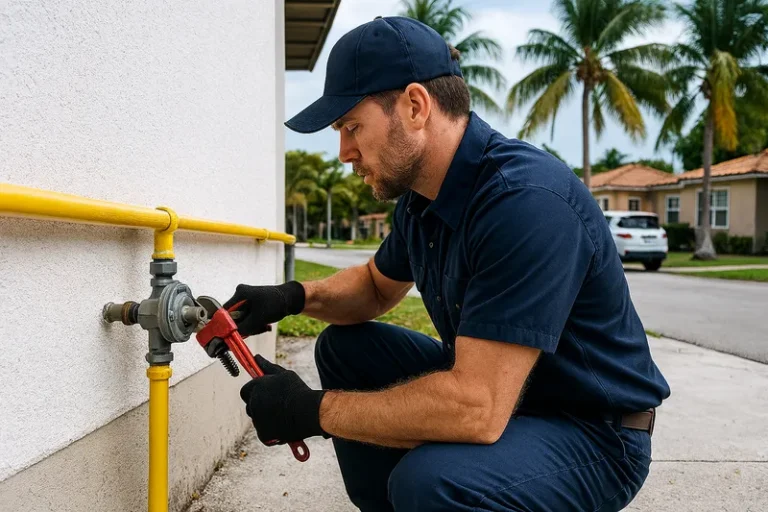
Installing a new gas line involves planning, trenching (if required), professional routing, and secure appliance connections. Natural gas and propane lines differ mainly in pressure, material requirements, and supply sources.
How Is a New Natural Gas Line Installed for Residential Use?

A typical new line installation follows these steps:
- Site evaluation to determine routing, clearances, and nearby utilities.
- Permit acquisition from Miami-Dade Building Department.
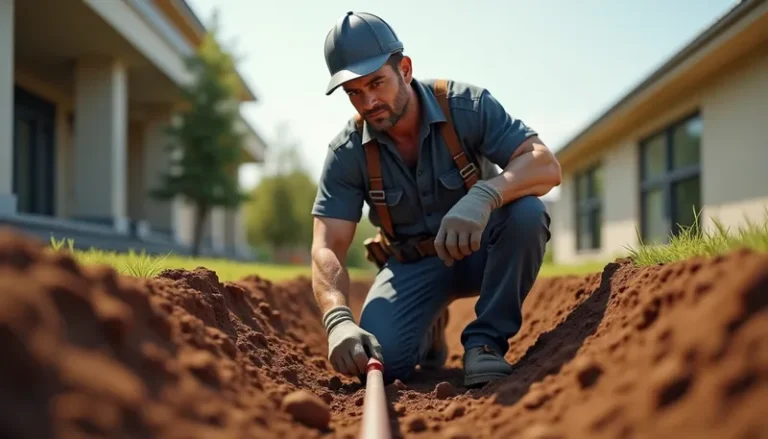
- Trenching for underground runs, using protective polyethylene (PE) pipe below grade.
- Above-ground assembly with black iron or CSST inside living spaces.
- Pressure testing, leak detection, and final certification by local authorities.
This structured approach ensures safe delivery from utility meter to each appliance.
What Are the Differences Between Natural Gas and Propane Line Installations?
| Installation Aspect | Natural Gas | Propane |
|---|---|---|
| Supply Source | Utility-provided via municipal lines | Delivered via on-site storage tank |
| Operating Pressure | Low pressure (0.25–0.5 PSI) | Higher pressure (10–13 PSI) |
| Underground Piping | Polyethylene (PE) rated for gas | PE rated specifically for propane |
| Indoor Piping | Black iron or CSST | Copper or stainless steel approved pipe |
| Permits & Inspections | Standard utility coordination | Additional tank setback and tank permits |
Installing propane demands careful tank placement and higher-pressure components, while natural gas relies on municipal infrastructure.
How Are Gas Appliances Hooked Up Safely to Gas Lines?
Certified technicians connect each appliance by:
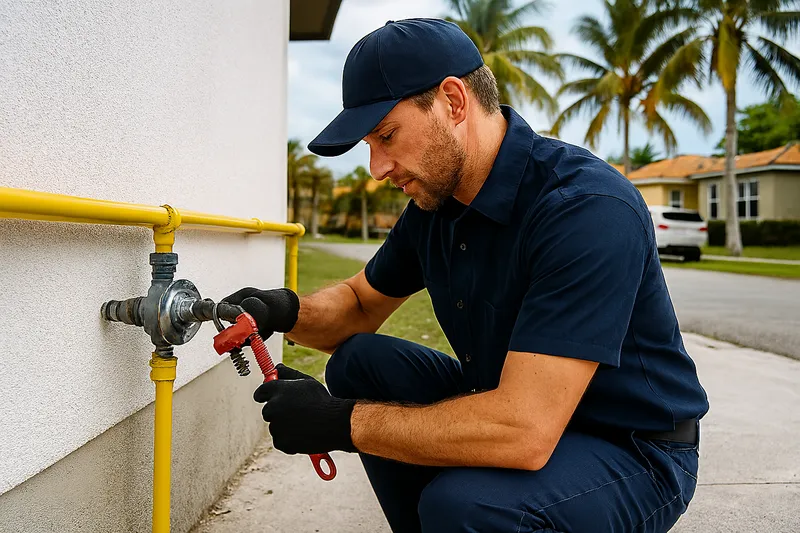
- Installing a manual shut-off valve within 6 feet of the appliance.
- Using flexible CSST or approved connector hoses to accommodate vibration.
- Applying thread sealant rated for gas service.
- Conducting a final leak check with electronic detectors and soap-solution verification.
This method guarantees secure, code-compliant hookups for stoves, water heaters, and dryers.
What Are the Benefits of Upgrading from Electric to Gas Appliances?
Switching delivers three main advantages:
- Energy Efficiency: Natural gas appliances often cost 30–40% less to operate.
- Immediate Heat Control: Gas burners adjust temperature instantly, improving cooking performance.
- Enhanced Reliability: Gas water heaters recover faster and continue operating during power outages.
These benefits translate to long-term savings and increased home comfort.
How Much Does Gas Line Repair and Installation Cost in Miami-Dade?
Cost transparency helps homeowners budget accurately. Prices vary based on pipe type, linear footage, permit fees, and emergency surcharges.
What Factors Influence the Cost to Install a Gas Line?
Installation expenses depend on:
- Pipe material (PE, CSST, black iron), which affects unit price.
- Linear footage required for routing to each appliance.
- Site complexity, such as trenching under concrete or through obstructions.
- Permit and inspection fees mandated by Miami-Dade County.
An installation spanning 20 feet with CSST might start around $400, whereas underground PE runs can exceed $1,200.
How Are Gas Line Repair Prices Determined?
Repair estimates factor in:
- Extent of damage—minor fitting leaks versus full pipe replacement.
- Emergency response—after-hours and weekend service surcharges.
- Labor—time required for detection, removal, and installation.
- Testing and certification—inclusion of pressure testing and final inspection.
Immediate repairs on cracked fittings may range from $150–$300, whereas extensive repiping can exceed $1,000.
What Are the Typical Permit Requirements for Gas Line Work in Miami-Dade?
Local regulations generally require:
- A mechanical permit for any new piping or relocation.
- A plumbing permit if tapping into existing plumbing structures.
- Final inspection by a county-certified inspector.
Securing permits ensures compliance with safety codes and avoids costly fines.
How Can You Get a Free Quote or Estimate for Gas Line Services?
Requesting a quote is fast and no-obligation:
- Contact our licensed Miami-Dade professionals online or by phone.
- Provide details including pipe length, appliance type, and any known damage.
- Receive a transparent estimate that outlines material and labor costs.
This initial step streamlines scheduling and budget planning.
What Are the Best Practices for Gas Line Safety and Maintenance?
Routine upkeep ensures long-term reliability and early warning of potential issues. Scheduled maintenance prevents emergencies and extends system life.
How Often Should Gas Lines Be Inspected and Maintained?
Annual inspections are recommended for:
- Appliances older than five years.
- Homes subject to flooding or soil movement.
- Properties with high usage, such as restaurants.
Regular check-ups catch minor leaks before they escalate.
What Are Essential Gas Line Safety Tips for Homeowners?
Homeowners should:
- Know your main shut-off valve location and practice closing it.
- Install carbon monoxide detectors near sleeping areas.
- Avoid storing flammable solvents near gas appliances.
- Call a certified plumber at the first sign of odor or sound.
Proactive safety habits reduce risk and improve emergency readiness.
How Do Different Gas Pipe Materials Affect Safety and Longevity?
| Pipe Type | Key Property | Expected Lifespan |
|---|---|---|
| CSST | Flexible, corrosion-resistant | 30+ years |
| Black iron | Robust, heat-tolerant | 50+ years |
| Polyethylene (PE) | UV-stable, impact-resistant | 40+ years |
Selecting the right material balances durability, installation ease, and local environmental factors.
Durability and Performance Characteristics of Gas Pipeline Materials
Studies on gas pipeline materials indicate that polyethylene (PE) pipes are widely used for underground gas distribution due to their good toughness, corrosion resistance, and a service life that can extend up to 50 years. In contrast, traditional steel pipes are more susceptible to corrosion over time, while copper pipes offer superior corrosion resistance and durability for indoor applications.
This information verifies the article’s discussion on the expected lifespans and key properties of different gas pipe materials like PE, black iron, and copper, emphasizing their respective advantages and disadvantages.
Which Gas Pipe Materials Are Best for Miami-Dade Gas Line Services?
Material choice depends on application—indoor runs, underground installation, or appliance connections. Each option offers distinct benefits.
What Are the Advantages and Disadvantages of CSST Pipes?
Corrugated Stainless Steel Tubing (CSST) provides:
- Advantage: Flexibility allows minimal fittings and faster installation.
- Advantage: Corrosion resistance in humid climates.
- Disadvantage: Requires bonding to electrical ground to mitigate lightning risk.
CSST is ideal for complex indoor layouts but demands professional installation standards.
Lightning Susceptibility and Bonding Requirements for Corrugated Stainless Steel Tubing (CSST)
Corrugated Stainless Steel Tubing (CSST) is a flexible gas piping material that offers installationadvantages but is susceptible to perforation from lightning strikes if not properly bonded to the building’s electrical grounding system. Research and industry standards, such as NFPA 54, emphasize the critical need for bonding to safely dissipate lightning-induced currents and prevent potential fires or explosions.
This research directly supports the article’s statement that CSST requires bonding to electrical ground to mitigate lightning risk, highlighting the importance of this safety measure.
How Does Black Iron Compare for Gas Line Durability?
Black iron offers:
- Advantage: Robust strength and fire resistance.
- Advantage: Familiar in traditional gas fitting.
- Disadvantage: Rigid sections require numerous welds or threaded joints.
Its proven longevity suits exposed lines, especially outdoors or in basements.
When Is Polyethylene (PE) Pipe Recommended for Underground Gas Lines?
High-density polyethylene is best for:
- Property-bound mains buried below frost line.
- Applications needing corrosion-proof, UV-stable tubing.
- Long-distance runs from meter to structure.
PE installation mandates proper depth and tracer wire for future detection.
How to Choose the Right Gas Pipe Material for Your Home or Business?
Consider:
- Location: indoor flexibility favors CSST; subterranean runs require PE.
- Budget: material and labor costs vary by type.
- Regulations: local code may mandate specific pipe classes.
- Durability needs: high-traffic areas benefit from rigid black iron.
Consulting certified experts ensures the ideal balance of safety, cost, and longevity.
What Are the Emergency Procedures for Suspected Gas Leaks in Miami?
A swift, structured response minimizes risk and ensures professional intervention.
What Immediate Actions Should You Take During a Gas Leak?
- Evacuate everyone from the premises without delay.
- Avoid electronics, open flames, and light switches.
- Shut off the main gas valve if safely accessible.
- Call 911 or the local gas utility from a safe location.
These steps reduce ignition risk and prepare emergency responders for rapid action.
Who Should You Contact for Emergency Gas Leak Repair in Miami-Dade?
After alerting first responders or utility services, contact a licensed gas plumber offering 24/7 emergency service. Our trained technicians coordinate with utility crews to restore safe operation.
How Does 24/7 Emergency Gas Line Repair Service Work?
Emergency response includes:
- Guaranteed rapid dispatch within agreed response windows.
- On-site leak detection and temporary isolation.
- Permanent repair using approved materials.
- Final pressure test and certification to confirm leak elimination.
This turnkey solution minimizes downtime and ensures code adherence.
What Are the Risks of Delaying Gas Leak Repairs?
Postponing repairs invites:
- Explosion or fire hazards from accumulating gas.
- Carbon monoxide buildup, leading to health emergencies.
- Property damage through corrosion or structural weakening.
- Code violations that may impact insurance and resale value.
Immediate professional action is the only safe course once a leak is suspected.
Safe, efficient gas line repair and installation in Miami-Dade County protects lives, property, and peace of mind. By recognizing warning signs, understanding installation methods, choosing the right materials, and following disciplined emergency procedures, homeowners and businesses ensure reliable energy delivery and rigorous safety compliance. For expert service, free estimates, or 24/7 emergency response, trust our licensed professionals to handle every aspect of your gas line needs.
Frequently Asked Questions
What should I do if I suspect a gas leak in my home?
If you suspect a gas leak, immediately evacuate everyone from the premises. Avoid using electronics, open flames, or light switches, as these could ignite gas. If it is safe to do so, shut off the main gas valve. Once outside, call 911 or your local gas utility from a safe distance. Do not re-enter the building until professionals have confirmed it is safe. Quick action is crucial to prevent potential hazards.
How can I ensure my gas appliances are installed safely?
To ensure safe installation of gas appliances, always hire certified professionals who follow local codes and regulations. They should install a manual shut-off valve within six feet of the appliance and use flexible connectors to accommodate movement. Additionally, a final leak check with electronic detectors and soap solutions should be performed to confirm there are no leaks. Proper installation is essential for safety and compliance.
What are the long-term maintenance tips for gas lines?
Long-term maintenance of gas lines includes annual inspections, especially for older appliances or homes in flood-prone areas. Homeowners should also regularly check for signs of wear, such as rust or corrosion, and ensure that carbon monoxide detectors are installed and functioning. Keeping the area around gas appliances clear of flammable materials is also crucial. Regular maintenance helps prevent leaks and ensures the system operates safely and efficiently.
Are there specific regulations for gas line installations in Miami-Dade County?
Yes, Miami-Dade County has specific regulations that govern gas line installations. These include obtaining mechanical and plumbing permits for new installations or modifications, ensuring compliance with local building codes, and passing final inspections by certified inspectors. Adhering to these regulations is essential to ensure safety and avoid fines. Always consult with licensed professionals who are familiar with local requirements to ensure compliance.
What are the signs that my gas line may need repair?
Signs that your gas line may need repair include a persistent rotten egg smell, hissing or whistling sounds near gas lines, and unexplained vegetation die-off in your yard. Additionally, if you experience physical symptoms like headaches or dizziness when indoors, it may indicate a gas leak. If you notice any of these signs, it is crucial to contact a licensed gas plumber immediately for inspection and repair.
How can I choose the right gas pipe material for my installation?
Choosing the right gas pipe material depends on several factors, including the installation location, budget, and local regulations. For indoor installations, CSST is flexible and corrosion-resistant, while black iron is robust and fire-resistant. For underground installations, polyethylene (PE) is preferred due to its durability and resistance to corrosion. Consulting with a licensed professional can help you select the best material for your specific needs and ensure compliance with safety standards.
What should I know about the costs associated with gas line services?
The costs associated with gas line services can vary widely based on factors such as the type of pipe material, the length of the installation, and any necessary permits. For example, installing a new line can start around $400 for a short run with CSST, while more complex installations may exceed $1,200. Repair costs also depend on the extent of the damage and whether emergency services are required. Always request a detailed estimate from your service provider to understand the costs involved.