
Learn About Sump Pump Installation – Is Your Basement At Risk?
Installing a sump pump is a vital step in protecting your basement from water damage. You’ll need to assess your space and select the right pump for your needs. Begin by clearing the area and checking your drainage system for issues. Each installation step is essential for ensuring effectiveness. Let’s explore the necessary preparations and procedures, so you can safeguard your home against unwanted moisture.
Essential Takeaways for Successful Sump Pump Installation
- Choose between submersible and pedestal sump pumps based on your basement’s size and water influx needs.
- Prepare the installation area by clearing debris and inspecting the drainage system for existing issues.
- Dig a hole for the sump basin, ensuring it is at the correct depth for effective drainage.
- Connect the discharge pipe to direct water away from the foundation and seal gaps with concrete.
- Regularly maintain your sump pump by checking power, inspecting for clogs, and testing the float switch.
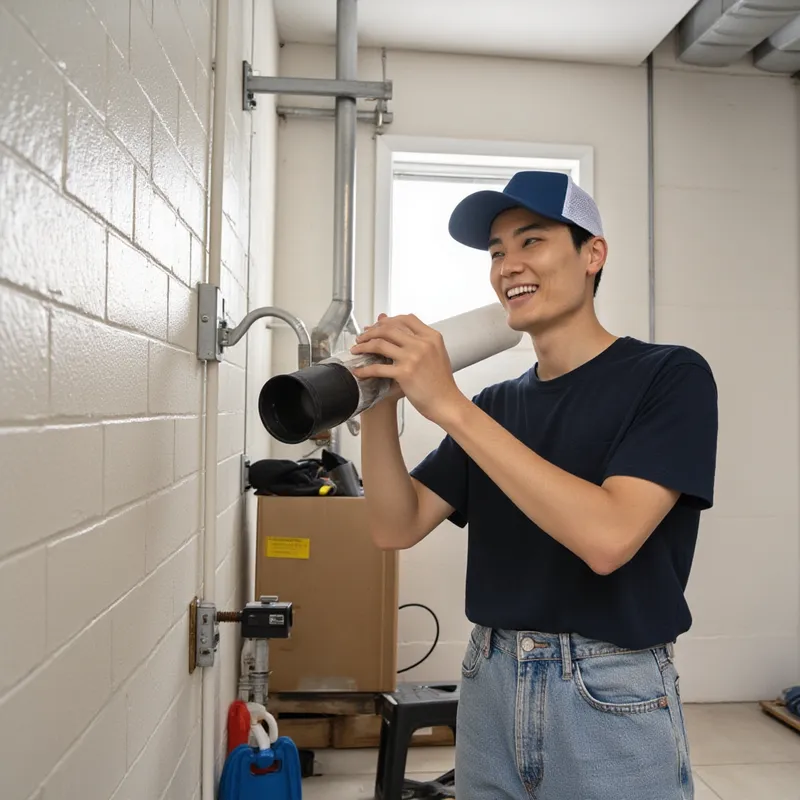
Understanding Sump Pumps
Sump pumps play an essential role in preventing water damage in basements and crawl spaces. By removing excess water, they help maintain a dry environment, safeguarding your home’s foundation.
There are several sump pump types, including submersible and pedestal pumps. Submersible pumps are installed below water level, making them ideal for larger amounts of water, while pedestal pumps are positioned above the sump basin, suitable for smaller spaces.

Each type has its own benefits; submersibles typically operate more quietly and efficiently, whereas pedestal pumps are easier to access for maintenance.
Understanding these sump pump types and their benefits guarantees you make informed decisions, ultimately protecting your home from costly water damage and preserving its structural integrity.
Selecting the Right Sump Pump
When choosing the right sump pump for your home, it’s important to take into account several factors that can greatly affect its performance and longevity.
Start by evaluating the different sump pump types available, such as submersible and pedestal pumps. Next, consider the pump capacity, which should align with your basement’s size and potential water influx.
Here are four critical factors to assess:
- Water Table Level: Higher levels may require more robust pumps.
- Pump Capacity: Make sure it can handle the volume of water expected.
- Horsepower: A higher rating typically means better performance.
- Durability: Look for materials that resist corrosion and wear.
Choosing wisely now will save you headaches later!
Preparing Your Basement for Installation
Before you start the installation of your sump pump, it’s essential to prepare your basement properly to guarantee peak performance. Begin by evaluating your basement drainage system; identify any existing water issues or drainage obstructions. Clear out debris, clutter, and any stored items that might interfere with the sump pump’s function.
Here’s a quick reference table to help guide your preparations:
| Task | Importance |
|---|---|
| Clear the area | Ensures unobstructed flow |
| Inspect drainage system | Identifies existing issues |
| Check for moisture signs | Aids in moisture control |
| Confirm power access | Guarantees operational readiness |
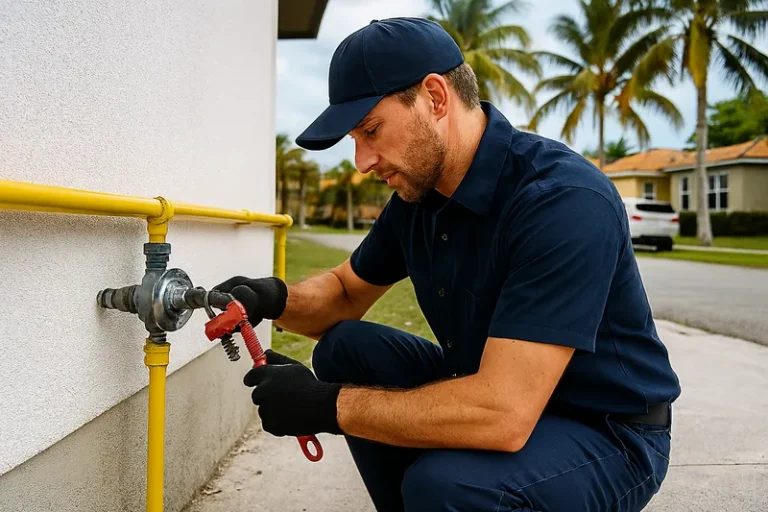
Taking these steps will help create an effective environment for your sump pump, optimizing moisture control and preventing future flooding risks. Additionally, understanding the professional plumbers in Miami Dade County can provide valuable assistance if you encounter complex issues during installation.
Step-by-Step Installation Process
To successfully install your sump pump, start by gathering essential tools and materials, including a sump pump, a sump basin, PVC piping, and a discharge pipe.
Follow these steps for a proper installation:
- Choose the right sump pump type based on your basement’s needs—submersible or pedestal.
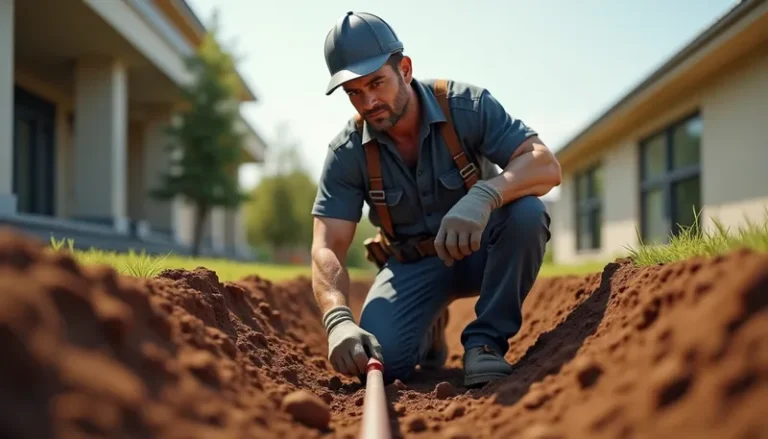
- Dig a hole for the sump basin, ensuring it’s deep enough for the pump and has proper drainage.
- Install the sump basin and connect the discharge pipe to the pump, positioning it to direct water away from your foundation.
- Seal any gaps around the basin with concrete to prevent water infiltration.
With the right installation tools and careful execution, your sump pump will effectively protect your basement from water damage.
Testing Your Sump Pump
How can you guarantee your sump pump works effectively when it’s needed most? Start with sump pump testing.
First, locate the float switch and verify it moves freely. Then, fill the sump pit with water until the pump activates. Observe the pump performance; it should turn on promptly, expelling water efficiently.
After this initial test, listen for unusual noises such as grinding or clanking, which might indicate mechanical issues.
Next, monitor the discharge pipe to confirm water flows freely and exits away from your foundation.
Finally, check for any leaks or cracks around the sump basin.
Regular sump pump testing like this verifies your system is ready to handle heavy rainfall or flooding, giving you peace of mind.
Maintenance Tips for Longevity
While regular testing guarantees your sump pump is operational, consistent maintenance is essential for its longevity.
To verify effective sump pump care, follow these routine inspections:
- Check the Power Source: Verify the pump is plugged in and the circuit breaker is functioning.
- Inspect the Discharge Pipe: Look for clogs or blockages that may impede water flow.
- Clean the Pump and Pit: Remove debris from the sump pit and clean the pump to prevent buildup.
- Test the Float Switch: Confirm the float moves freely and activates the pump when water levels rise.
Essential Takeaways for Successful Sump Pump Installation
To wrap up, installing a sump pump is like giving your basement a life jacket—it’s essential for keeping it afloat during heavy rains. By following the steps outlined, from selection to installation and maintenance, you’ll guarantee your system runs smoothly and effectively. Regular testing and upkeep will safeguard your home against water damage, allowing you to breathe easy knowing your basement is protected. So roll up your sleeves and plunge into this project; your future self will thank you!