

Understanding Septic System Plumbing

Mastering Septic Systems in Miami-Dade
Septic systems provide on-site wastewater treatment for properties outside public sewer networks, ensuring safe disposal of household effluent and protecting South Florida’s fragile groundwater. Homeowners and businesses in Miami-Dade County face unique challenges—high water tables, limestone geology, and strict local ordinances—that make understanding septic plumbing essential for system longevity and regulatory compliance. This guide delivers clear answers on system components, maintenance schedules, common malfunctions, sewer line blockages, installation steps, emergency protocols, and county regulations. You will learn how septic tanks and drain fields function, when to pump, how to troubleshoot failures, and where municipal requirements intersect with everyday care—empowering you to safeguard your property and peace of mind.
What Is a Septic System and How Does It Work?
A septic system is an underground wastewater treatment solution that processes and disperses household effluent through natural bacterial action and soil filtration, preventing contamination of drinking water and the environment. This decentralized system comprises three main parts working in sequence: a septic tank, a drain field, and connecting sewer lines. Understanding the process—from solid separation in the tank to effluent absorption in the soil—lays the groundwork for informed maintenance, timely repairs, and regulatory compliance under Miami-Dade County standards.
What Are the Key Components of a Septic System?

Below is an overview of a septic system’s principal parts, each vital to proper wastewater treatment and disposal:
- Septic Tank: An underground chamber where solids settle and scum floats, enabling primary treatment.
- Inlet and Outlet Pipes: Connect plumbing fixtures to the tank and direct clarified effluent to the drain field.
- Drain Field (Leach Field): A network of perforated pipes in trenches that disperses effluent into the soil for secondary treatment.
- Soil Matrix: Acts as a natural biofilter, removing pathogens and nutrients before groundwater recharge.

Together, these elements convert raw sewage into treated water, reducing environmental risks and household health hazards.
How Does Wastewater Treatment Occur in a Septic System?
Septic treatment begins with physical separation: solids form a sludge layer at the bottom, oils and greases create a scum layer at the top, and liquid effluent occupies the middle zone. Naturally occurring bacteria break down organic solids, reducing volume and odors. Clarified effluent then exits the tank and infiltrates the drain field, where soil microorganisms further purify water by removing harmful pathogens and nutrients.
Over time, routine pumping removes accumulated solids, sustaining bacterial action and preventing system overload.
How Does a Septic System Differ from a Public Sewer System?
A public sewer system collects and conveys wastewater via gravity-fed mains to a central treatment plant, relying on municipal infrastructure and extensive piping networks. In contrast, a septic system treats wastewater on-site using natural processes within the property boundary. Septic solutions demand individual maintenance—such as periodic tank pumping and drain field care—while public sewer users only need to manage interior plumbing. This autonomy grants flexibility for rural or suburban areas but imposes homeowner responsibility for performance and compliance.
Why Is Understanding Septic System Plumbing Important for Miami-Dade Residents?
Miami-Dade County’s high groundwater table and porous limestone terrain increase the risk of effluent leakage and groundwater contamination if septic systems are mismanaged. Local Ordinance 22-83 bans conventional systems for new installations and mandates registration of existing onsite sewage treatment and disposal systems (OSTDS), enforcing setback requirements from wells and water bodies. Homeowners who grasp plumbing components, treatment mechanisms, and local rules avoid costly repairs, maintain healthy soils, and protect community water quality.
How do septic tanks pollute?
South Florida’s unique geology, characterized by porous limestone bedrock and a shallow water table, significantly impairs the natural filtration capacity ofseptic
systems. This allows wastewater fromseptictanks to move rapidly through the ground, leading to nutrient-rich contamination of groundwater and nearby waterways, even when systems are functioning as designed.
This research substantiates the article’s explanation of how Miami-Dade’s specific geological and hydrological conditions contribute to septic system malfunctions and environmental risks.
How Often Should You Pump Your Septic Tank in Miami-Dade?
Regular septic tank pumping removes accumulated sludge and scum, sustaining bacterial efficiency and preventing backups, foul odors, and drain field clogging.
| Household Size | Tank Capacity | Recommended Pumping Frequency |
|---|---|---|
| 1–2 occupants | 1,000 gallons | Every 5 years |
| 3–4 occupants | 1,000–1,500 gallons | Every 3–4 years |
| 5+ occupants | 1,500+ gallons | Every 2–3 years |
These intervals account for organic load and tank volume; properties with heavy water use or garbage disposals may require more frequent service.
What Factors Influence Septic Tank Pumping Frequency?
- Household occupancy and water usage patterns determine organic and liquid input.
- Tank size and design influence retention time and separation efficiency.
- Presence of a garbage disposal accelerates solids accumulation.
- Drain field health—if percolation slows, tank pumping alone may not resolve backups.
Accounting for these factors ensures pumping schedules align with system demands and local hydrogeologic conditions.
What Is the Typical Cost of Septic Tank Pumping in Miami-Dade?
Septic pumping in Miami-Dade County typically ranges from $250 to $450 per service, depending on tank size, accessibility, and disposal fees. Emergency or after-hours calls may incur premiums, while multi-tank or bundled maintenance packages can reduce per-unit costs. Transparent pricing and a detailed quote help homeowners budget for routine care and avoid surprise expenses.
What Are Effective DIY Septic Maintenance Tips?
- Conserve water by fixing leaks and using high-efficiency fixtures.
- Avoid flushing non-biodegradable items, grease, coffee grounds, or chemicals that harm bacterial action.
- Direct roof drains, sump pumps, and surface runoff away from the drain field.
Are Septic Tank Additives Effective for Maintenance?
Septic additives claim to boost bacterial populations or dissolve sludge, but conventional maintenance and timely pumping remain the most reliable methods. While some enzyme-based products support organic breakdown, they cannot replace mechanical sludge removal and proper system design. Relying solely on additives risks untreated solids accumulation and premature drain field failure.
What Are Common Septic Tank Problems and How Can You Identify Them?
Septic malfunctions pose health hazards, damage landscapes, and violate environmental regulations; early detection prevents costly repairs.
What Are the Signs of a Failing Septic System?
- Foul odors near the tank or drain field indicate trapped gases escaping through soil.
- Slow-draining fixtures and gurgling noises reveal backpressure from overloaded lines.
- Soggy ground or lush grass above the drain field signal effluent surfacing.
- Sewage backups into sinks or toilets confirm critical blockage or tank overfill.
What Causes Septic System Malfunctions?
- Tree root intrusion into pipes or baffles disrupts flow and causes blockages.
- Ground movement or compaction cracks tanks or lines, leading to leaks.
- Collapsed baffles undermine solids separation and allow solids to clog the drain field.
- Excessive water usage floods the tank, reducing retention time and flushes solids to the field.
How Do You Troubleshoot Drain Field Issues?
- Inspect distribution box and lateral lines for blockages.
- Check soil saturation levels—heavy rainfall or poor drainage may require surface diversions.
- Avoid compaction by prohibiting vehicles and structures on the drain field.
- Consider pressure-distribution systems or field expansion if soil conditions deteriorate.
When Should You Consider Septic Tank Repair vs. Replacement?
- Repair is viable for minor cracks, broken pipes, or component failures in tanks less than 20 years old.
- Replacement becomes necessary if extensive corrosion, concrete collapse, or regulatory changes mandate new OSTDS technology.
- Hybrid upgrades—installing advanced treatment units or alternative drain fields—offer middle-ground solutions for aged systems under modern codes.
What Are the Symptoms and Solutions for Sewer Line Blockages in Miami-Dade?
Main sewer line issues often mimic septic failures but demand different remedies to avert sewage backups and structural damage.
What Are Common Signs of a Clogged Sewer Line?
- Multiple slow drains across fixtures rather than isolated clogs.
- Gurgling toilets and floor drains as air is trapped and forced back.
- Sewage odors and visible backups at low-lying drains.
- Sudden surges of wastewater in tubs or sinks when other fixtures flush.
What Causes Sewer Line Blockages?
- Tree roots penetrating joints in older cast iron or clay pipes.
- Grease buildup from improper disposal of cooking oils and fats.
- Collapsed or corroded pipes in aging infrastructure.
- Foreign objects such as wipes, feminine hygiene products, or toys flushed down the drain.
What Are the Available Sewer Line Repair Methods?
- Traditional excavation, replacing or patching sections of pipe with PVC or cast iron.
- Trenchless pipe bursting, where a new pipe fracturing head pulls a replacement line through the old casing.
- Pipe relining, applying epoxy resin inside existing pipes to seal cracks and blockages without digging.
Each method balances cost, disruption, and longevity; an expert inspection determines the optimal approach.
How Does Main Drain Cleanout Service Help Prevent Blockages?
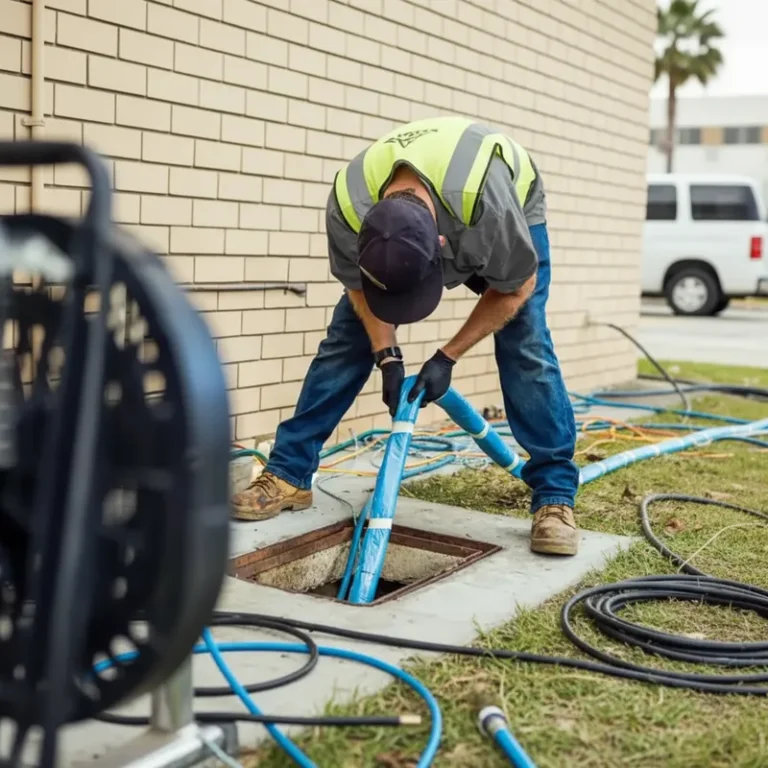
A cleanout fitting provides direct access for camera inspections, hydrojetting, and manual snaking, clearing grease, roots, and debris before full blockage occurs. Scheduled cleanout maintenance every 2–3 years reduces emergency repairs, ensures proper flow, and safeguards indoor plumbing against backflow and cross-contamination.
What Are the Steps and Costs for Septic System Installation in Miami-Dade?
How Is a New Septic System Installed?

- Site evaluation—soil percolation tests, groundwater table assessment, and setback measurements.
- System design—sizing tank capacity and drain field layout based on household demand and soil characteristics.
- Permit application to county DERM and Florida DEP for OSTDS approval.
- Excavation and tank placement, including concrete or fiberglass chamber installation.
- Drain field construction with gravel trenches and perforated pipe.
- Final inspection to verify proper installation before backfilling.
A well-executed installation ensures efficient treatment, regulatory compliance, and minimal environmental impact.
What Are Miami-Dade County Septic System Regulations?
Miami-Dade County Ordinance 22-83 governs OSTDS, prohibiting conventional Type I systems for new or replacement installations and requiring existing systems to register by January 1, 2024. Key requirements include:
- Minimum setbacks from potable wells (75 ft), property lines (5 ft), and water bodies (75 ft).
- Mandatory use of advanced treatment units for high-risk sites.
- Annual system registration and fee with DERM.
- Strict maintenance contracts ensuring periodic inspections and pumping.
Ordinance No. 22-83 - Miami-Dade County
Adopted on July 7, 2022, this Miami-Dade County ordinance established more stringent standards for new and replacement onsite sewage treatment and disposal systems (OSTDS). It prohibits conventionalseptic
systems for new installations and mandates the registration of all existing OSTDS by January 1, 2024, aiming to reduce pollutants and enhance water quality in the county.
This citation directly supports the article’s discussion of Miami-Dade County’s specific regulations, including the ban on conventional systems and the requirement for existing system registration.
How Do Florida State Septic Regulations Affect Installation?
At the state level, Florida DEP requires OSTDS permits based on county-approved site evaluations, design standards, and licensed installer certification. State rules specify tank materials, pipe diameters, and effluent dispersal methods, ensuring uniform performance across diverse geologies and climatic conditions.
What Is the Typical Cost of New Septic System Installation in Florida?
A conventional septic system installation averages between $8,000 and $15,000, with advanced treatment units or difficult site conditions pushing costs up to $20,000. Variables include soil type, accessibility, system complexity, and permit fees. Obtaining multiple detailed quotes and verifying installer credentials helps homeowners budget accurately for this essential investment.
Onsite Sewage Program
With an estimated 2.6 millionseptic
systems, Florida relies on the Florida Department of Environmental Protection (DEP) to regulate Onsite Sewage Treatment and Disposal Systems (OSTDS). The DEP’s program ensures proper design, construction, and maintenance through permitting and inspection, which is crucial for protecting the state’s groundwater, the source of 90% of its drinking water, from nutrient pollution.
This citation verifies the state-level regulatory framework for septic systems and highlights the importance of proper OSTDS management for protecting Florida’s vital water resources, as discussed in the article.
When Should You Call for Emergency Septic and Sewer Services in Miami-Dade?
What Constitutes a Septic or Sewer Emergency?
- Raw sewage backups into living spaces present biohazard threats.
- Sudden tank collapse or riser break exposes contaminants.
- Complete drain field saturation floods yards and creates breeding grounds for disease-carrying pests.
- Major sewer line rupture floods basements or grounds with foul wastewater.
Such scenarios demand professional response within hours to prevent structural damage and environmental violations.
What Emergency Septic Pumping Services Are Available?
Rapid-response teams can locate tank access points, remove thousands of gallons of solids and effluent, and reinstall secure lids to stop raw sewage seepage. Emergency pumping often includes temporary bypass setups and diagnostic camera inspections to pinpoint underlying blockages or system damage requiring further repair.
How Do Emergency Sewer Repair Services Work?
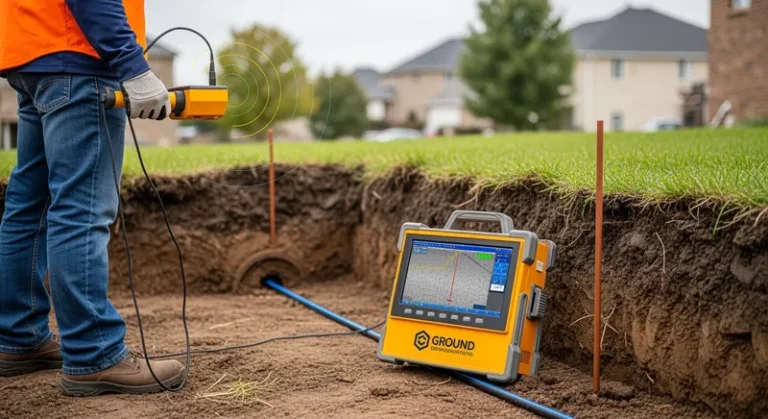
Upon arrival, technicians conduct a video inspection to identify breaks, root intrusions, or collapsed sections. Depending on severity, they deploy hydrojetting, sectional pipe repair, trenchless lining, or full excavation to restore main line integrity. Emergency crews prioritize minimal disruption, clear communication, and swift restoration of sanitary flow.
How Does Our Company Provide Rapid Emergency Support in Miami-Dade?
As a local plumbing and wastewater specialist, we maintain 24/7 emergency crews, fully stocked service vehicles, and advanced diagnostics equipment. Our certified technicians arrive promptly, assess septic or sewer failures with precision, and implement tailored solutions—restoring safe operation and limiting property damage under the strict environmental standards of Miami-Dade County.
How Can You Ensure Compliance with Miami-Dade Septic System Regulations?
What Are the Key Ordinances Affecting Septic Systems in Miami-Dade?
- Prohibition of conventional OSTDS for new and replacement projects.
- Registration requirement for all existing systems by January 1, 2024.
- Mandatory use of advanced treatment technologies for high-density or sensitive areas.
- Setback distances protecting potable water sources and wetlands.
How Do You Register Existing Septic Systems with DERM?
Registration entails submitting a completed application form, site plan, system specifications, and registration fee to Miami-Dade DERM. Property owners receive a unique OSTDS registration number to display on the system riser lid for inspection verification and compliance tracking.
What Are the Setback and Environmental Requirements for Septic Systems?
- 75 ft from private wells and surface water bodies.
- 10 ft from underground utilities.
- 5 ft from property boundaries.
How Are Septic System Permits and Inspections Managed in Florida?
Florida DEP delegates counties to issue OSTDS permits based on approved designs submitted by licensed professionals. Inspections occur at key installation stages—tank placement, drain field construction, and final backfill—ensuring adherence to soil percolation results, tank integrity, and distribution line alignment. Annual compliance inspections or maintenance contracts verify ongoing system performance.
Septic system plumbing in Miami-Dade demands vigilant care, informed decision-making, and adherence to strict regulations. Proper system design, regular pumping, and timely repairs prevent environmental hazards and costly failures. By mastering component functions, recognizing warning signs, and following local and state requirements, property owners ensure reliable wastewater treatment year after year. Continuous education and partnership with experienced local technicians preserve both system health and South Florida’s vital water resources.
Frequently Asked Questions
What should I do if I notice foul odours near my septic system?
If you detect foul odours near your septic system, it may indicate a malfunction or overflow. This could be due to trapped gases escaping through the soil or a full tank. It’s essential to address this issue promptly by contacting a professional septic service. They can assess the system, check for blockages, and determine if pumping is necessary. Ignoring these signs can lead to more severe problems, including environmental contamination and costly repairs.
How can I tell if my drain field is failing?
Signs of a failing drain field include soggy ground, lush grass, or standing water above the field, which indicates effluent surfacing. Additionally, slow-draining fixtures and sewage backups in your home can signal drain field issues. If you notice these symptoms, it’s crucial to consult a septic professional who can evaluate the situation and recommend appropriate solutions, such as repairs or potential replacement of the drain field.
What are the environmental impacts of poorly maintained septic systems?
Poorly maintained septic systems can lead to groundwater contamination, which poses significant health risks. Nutrient-rich effluent can seep into local water bodies, causing algal blooms and harming aquatic ecosystems. Additionally, untreated sewage can create biohazards, affecting both human health and wildlife. Regular maintenance, including pumping and inspections, is vital to prevent these environmental impacts and ensure the system operates effectively.
Are there specific regulations for septic systems in high-density areas?
Yes, in high-density areas, Miami-Dade County mandates the use of advanced treatment technologies for onsite sewage treatment and disposal systems (OSTDS). These regulations aim to mitigate the risk of groundwater contamination and ensure that systems are designed to handle higher volumes of wastewater. Property owners must comply with these regulations to maintain their systems and protect the environment.
What should I consider when choosing a septic service provider?
When selecting a septic service provider, consider their experience, licensing, and customer reviews. It’s essential to choose a company familiar with Miami-Dade County regulations and local soil conditions. Additionally, inquire about their range of services, including emergency support, routine maintenance, and repairs. A reputable provider should offer transparent pricing and detailed estimates to help you make an informed decision.
How can I prevent septic system problems in the future?
To prevent septic system issues, practice regular maintenance, including pumping the tank as recommended based on household size and usage. Be mindful of what you flush; avoid non-biodegradable items and excessive grease. Additionally, conserve water to reduce strain on the system. Direct surface water away from the drain field and ensure that trees and shrubs are planted at a safe distance to prevent root intrusion.
What are the consequences of not registering my septic system by the deadline?
Failing to register your septic system by the January 1, 2024 deadline can result in penalties, including fines and potential enforcement actions from local authorities. Additionally, unregistered systems may face restrictions on property transactions or renovations. It’s crucial to comply with registration requirements to avoid these consequences and ensure your system meets local regulations.
About Us
Expert Plumbers Miami-Dade County offer fast, reliable home services for plumbing installation or repair, HVAC and professional electrical services.
With extensive experience in handling common and complex issues or emergency service, our team saves you time and money, ensuring your home services are conducted with the utmost professionalism and efficiency.
Quick Links
DISCLAIMER This site is designed to assist homeowners in connecting with local home service contractors. All home service contractors are independent and this site does not warrant or guarantee any work performed. It is the responsibility of the homeowner to verify that the hired home service contractor furnishes the necessary license and insurance required for the work being performed. All persons depicted in a photo or video may be actors or models and not contractors listed on this site.