
Stop a Running Toilet: Easy DIY Plumbing Solutions
Restore Your Toilet Today
A running toilet can quietly waste thousands of gallons of water and push utility bills through the roof before you even notice the issue.
In this guide, you’ll discover precise reasons why your toilet keeps running, straightforward DIY repair steps, and clear indicators for when to enlist a qualified Miami-Dade plumber. We’ll also cover typical repair costs, preventive maintenance tips to conserve water, an overview of key toilet components, and answers to the most pressing questions homeowners ask about running toilets. Whether you’re aiming to tackle the problem yourself or secure reliable professional service, you’ll find actionable insights tailored to South Florida conditions.
The Economic and Environmental Impact of Household Water Leaks
Household plumbing leaks, including those from running toilets, contribute significantly to water waste and increased utility costs. Annually, these leaks can account for nearly 1 trillion gallons of water and an estimated $6 billion in wasted resources across the U.S. A single household’s leaks can waste approximately 10,000 gallons of water each year, highlighting the substantial financial and environmental burden of unaddressed plumbing issues.
This research directly supports the article’s claims about the significant volume of water and financial resources wasted by running toilets, emphasizing the importance of timely repairs and water conservation.
Why Does My Toilet Keep Running? Common Causes Explained
A continuously running toilet results when tank water fails to stop flowing into the bowl after a flush, leading to wasted water and higher bills. Understanding each cause lets you address the exact malfunction without unnecessary guesswork.
What Is a Faulty Flapper Valve and How Does It Cause Running?

A faulty flapper valve is a rubber seal at the tank’s base that no longer closes securely, allowing water to leak into the bowl. Over time, mineral buildup and wear prevent it from seating correctly, which keeps the refill cycle active. Inspecting the flapper for cracks or warping and replacing it restores a watertight seal and stops continuous overflow.
Vulnerability and Degradation of Toilet Flapper Valves
Studies have shown that toilet flush valve seals, commonly known as flappers, are susceptible to degradation over time due to normal aging, wear, and exposure to factors like in-tank cleaning tablets. This deterioration can lead to leaks, compromising the toilet’s water efficiency and often going unnoticed for extended periods, thereby increasing water consumption.
This information provides verified context for the article’s explanation of how a faulty flapper valve causes a toilet to run and the common reasons for its failure, such as material degradation and corrosion.
How Does a Malfunctioning Fill Valve Lead to Toilet Running?
The fill valve controls refill water entering the tank after each flush and shuts off when the water level reaches the float height. A malfunctioning fill valve may stick open, leak, or fail to close fully, perpetuating water flow. Cleaning debris, adjusting the valve height, or installing a new refill mechanism stops excess water from entering the tank.
Why Is Incorrect Water Level or Float Adjustment a Problem?
The float mechanism monitors tank water level and signals the fill valve to stop. If set too high, excess water spills into the overflow tube; if too low, incomplete refilling causes repeated flush attempts. Correct float positioning ensures the tank refills to the proper depth, preventing both under- and over-filling that can trigger running.
What Are Overflow Tube Issues That Cause Continuous Running?
An overflow tube safeguards against tank flooding by channeling surplus water into the bowl when levels rise too high. If the tube is cracked, loose, or set below the proper water line, it siphons water constantly, prompting the fill valve to keep running. Securing the tube and adjusting its height stops unintentional draining and refilling cycles.
How Can I Fix a Running Toilet Myself? Step-by-Step DIY Repair Guide
Many homeowners can resolve a minor running toilet with simple tools, reducing repair bills and water waste immediately. Follow these four critical steps for a reliable fix.
How Do I Turn Off the Water Supply Before Repairing?
Locate the shut-off valve behind the toilet near the floor and rotate it clockwise until the water flow stops. Flushing the toilet drains remaining tank water, creating a safe work environment. Shutting off the supply prevents unexpected flooding and makes component inspection accurate.
- Turn the handle clockwise until resistance stops.
- Flush to empty the tank.
- Use a sponge or towel to remove residual water.
Completing this safety measure sets the stage for precise component checks.
How to Inspect and Adjust the Flapper Valve and Chain?
With the tank drained, lift the lid and examine the flapper seal and chain length. The chain should have slight slack—too tight prevents full closure, too loose hinders proper lift. Replace a brittle flapper and shorten or lengthen the chain to allow a full, snug seal at the tank floor. Proper flapper adjustment immediately halts leaking.
What Is the Correct Way to Adjust the Toilet Float Mechanism?
The float arm or cup rides on the fill valve stem to gauge water level. Gently bend the float arm downward to lower the water line or turn the adjusting screw on a float cup assembly to reposition the float. Aim for the water to sit about 1 cm below the top of the overflow tube for optimal refill control. This ensures the fill valve shuts off at the right moment.
How Do I Check and Test the Fill Valve for Leaks or Malfunctions?
Inspect the refill tube, valve seal, and packing nut. Turn water back on briefly to watch the fill cycle: listen for hissing or continuous trickle. Tighten the packing nut or replace a worn-out fill valve cartridge to restore a crisp shut-off. A properly functioning refill mechanism stops water flow when the tank reaches its target level.
When Should I Use the Food Dye Test to Diagnose Leaks?
Drop a few food coloring drops into the tank and wait 10 minutes without flushing. If coloured water appears in the bowl, the flapper or flush valve seal is leaking. This diagnostic method confirms hidden leaks and pinpoints which component needs replacement, preventing guesswork and saving repair time.
When Should I Call a Professional Plumber for Running Toilet Repair in Miami-Dade?
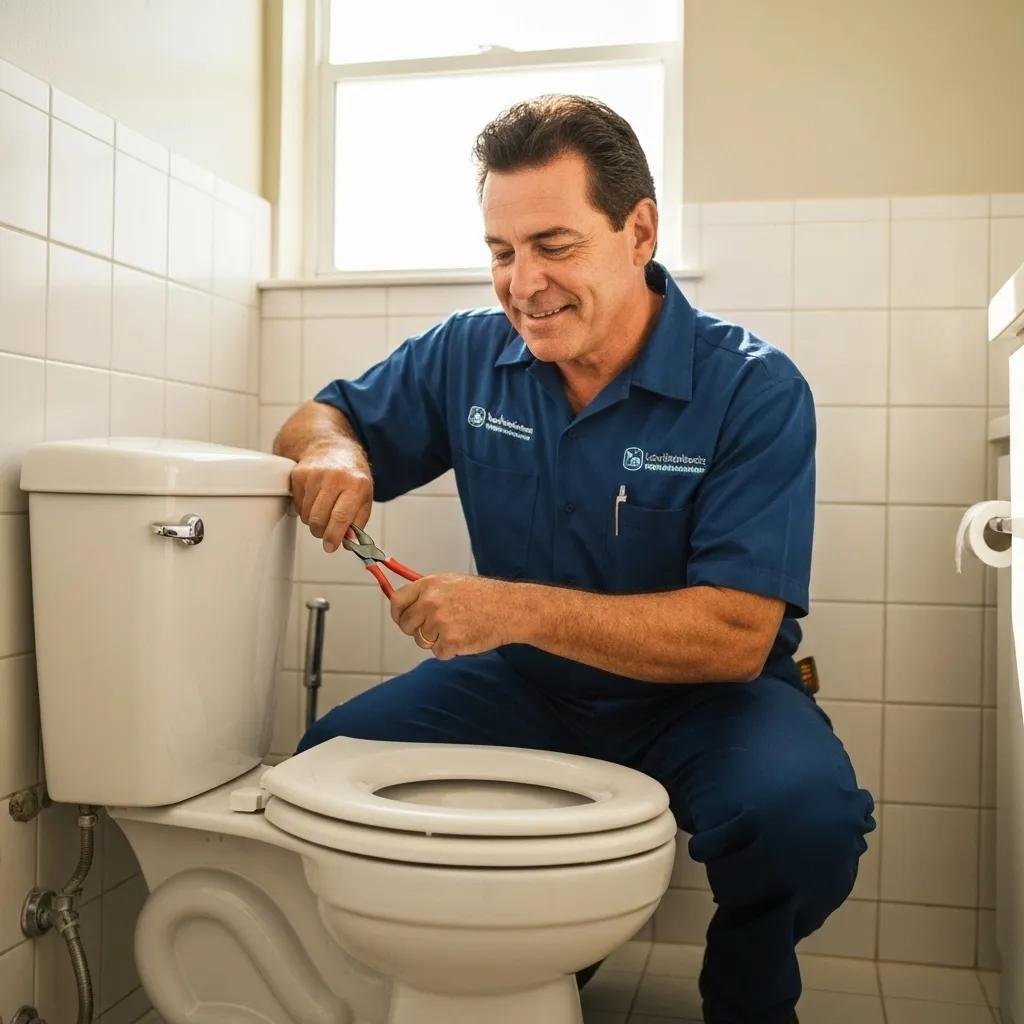
Complex plumbing problems or emergencies call for expert intervention to protect your home and avoid water damage. Recognise these warning signs to secure timely professional support.
What Are Signs That Indicate a Plumbing Emergency?
Persistent water flow despite flapper and valve adjustments, water leaking at the base of the toilet, or malfunctioning shut-off valves signal an urgent issue. High water bills with no visible leaks also suggest concealed wastage that requires rapid diagnosis. Acting quickly prevents structural damage and runaway utility costs.
What Toilet Repair Services Do Miami-Dade Plumbers Offer?
Local experts provide full diagnostics, component replacement, valve overhaul, tank resealing, and complete flush mechanism upgrades. They can also retrofit high-efficiency fixtures and install smart leak detection devices to prevent future issues and conserve water.
How Does 24/7 Emergency Plumbing Service Help with Running Toilets?
Around-the-clock availability ensures that critical leaks or uncontrolled water flow get addressed immediately, minimising property harm. Emergency response teams arrive equipped to replace faulty components on the spot and restore normal toilet operation without delay.
Why Choose Local Miami-Dade Experts for Toilet Repair?
Local plumbers understand South Florida’s water quality and environmental factors that affect fixture longevity. Their deep community knowledge means faster dispatch times, personalised care, and transparent pricing tailored to area regulations and supply costs.
How Much Does It Cost to Fix a Running Toilet? Understanding Repair Expenses
Repair costs vary by the component at fault, with most homeowners paying between $20 and $150 for parts and service. Knowing typical price ranges helps budget and decide between DIY and professional solutions.
| Component | Average Cost Range | Typical Service Time |
|---|---|---|
| Replacement flapper | $10–$25 | 10–20 minutes |
| Fill valve assembly | $30–$60 | 20–30 minutes |
| Float mechanism adjustment | $0–$15 | 5–10 minutes |
| Emergency service call | $75–$150+ | Varies |
These estimates guide cost-benefit decisions and highlight the value of preventative maintenance.
What Is the Typical Cost to Replace a Toilet Flapper?
A standard flapper replacement kit costs around $10–$25. Most DIY installations can be completed in under 15 minutes, saving on labour fees if you handle the swap yourself.
How Much Does Fill Valve Replacement Usually Cost?
Fill valve assemblies range from $30 to $60. Professional installation adds labour fees but ensures correct alignment and leak-free performance.
Are There Additional Costs for Emergency Toilet Repairs?
Emergency calls often incur priority service surcharges of $75–$150 on top of parts and labour, reflecting after-hours or immediate dispatch requirements.
How Can DIY Repairs Save Money Compared to Professional Services?
Homeowners replacing simple flappers or adjusting floats can avoid labour fees of $50–$100 per hour. Learning basic adjustments reduces long-term expense and empowers quick leak resolution.
How Can I Prevent My Toilet from Running? Maintenance Tips and Water-Saving Solutions
Routine upkeep and modern water-saving devices protect against future running toilet issues while conserving resources.
- Schedule regular inspections of flapper seals, fill valves, and tank fittings to catch wear early.
- Avoid using strong chemical cleaners that degrade rubber seals and valve components.
- Consider upgrading to high-efficiency dual-flush toilets or installing smart leak detectors that alert you to unseen drips.
- Enlist professional preventative maintenance plans offering seasonal checks and priority service.
What Are the Key Toilet Parts Involved in Running Toilet Repairs?
Understanding each component’s role helps diagnose problems more quickly and communicate effectively with service technicians.
| Component | Function | Common Issue |
|---|---|---|
| Flapper valve | Seals tank to bowl, controls flush release | Warping, mineral buildup, leaks |
| Fill valve | Refills tank, shuts off water at correct level | Sticking, leaking, misalignment |
| Float mechanism | Monitors tank water level | Improper height adjustment, sticking |
| Overflow tube | Prevents tank flooding by diverting excess | Cracks, incorrect positioning |
What Is the Role of the Flapper Valve in Toilet Function?
The flapper valve closes the flush valve opening after discharge, maintaining tank water for the next flush. A damaged seal allows constant seepage into the bowl, triggering refill cycles.
How Does the Fill Valve Regulate Water Level?
The fill valve introduces water until the float reaches its set height, then shuts off the flow. Its operation guarantees a consistent refill volume and prevents overflows.
What Does the Float Mechanism Do in the Toilet Tank?
Floating on the water surface, the float signals the refill valve to open or close, automatically controlling tank volume. Proper float positioning ensures accurate water levels.
How Does the Overflow Tube Prevent Tank Overflow?
Positioned vertically, the overflow tube directs surplus water into the bowl before it spills out of the tank, safeguarding against flooding when upstream controls fail.
What Are the Most Common Questions About Running Toilets?
Homeowners frequently seek clear, concise guidance on typical running toilet concerns beyond basic repairs.
Why Does My Toilet Keep Running Constantly?
Constant running usually stems from a leak at the flapper seal, a fill valve that won’t close, or water level set too high, prompting spillover into the overflow tube. Correcting these parts stops the ongoing flow.
Can I Fix a Running Toilet Without a Plumber?
Many running toilets can be stopped with simple flapper replacements, float adjustments, or fill valve cleaning. However, persistent leaks or damaged valve seats often require professional expertise.
How Much Water Does a Running Toilet Waste?
A single running toilet can waste up to 200 gallons of water per day, equivalent to filling an average backyard pool in just two weeks and substantially raising bills.
What Part Usually Causes a Toilet to Run?
The flapper valve is the most common culprit, as its rubber seal deteriorates fastest under constant water exposure.
How Do I Know When to Replace Toilet Parts?
Visible cracks in the flapper, continuous fill valve humming after refill, water level drifting above the tube lip, or repeated adjustments signal it’s time for new parts.
A running toilet need not become a recurring expense or environmental burden. With a clear understanding of each component and the confidence to inspect or replace basic parts, you can regain reliable flushing performance in no time. When issues exceed DIY scope or emergency leaks arise, local Miami-Dade specialists stand ready to deliver prompt, professional solutions that protect your home and conserve water.
Frequently Asked Questions
What are the long-term effects of a running toilet on my water bill?
A running toilet can significantly increase your water bill over time. On average, a continuously running toilet can waste up to 200 gallons of water per day. This can lead to an increase in your monthly utility costs, potentially adding hundreds of dollars to your annual expenses. Addressing the issue promptly not only conserves water but also helps you avoid unnecessary financial strain.
How can I tell if my toilet is running without hearing it?
If you suspect your toilet is running but can’t hear it, you can perform a simple test. Add a few drops of food dye to the toilet tank and wait about 10 minutes without flushing. If the dye seeps into the bowl, it indicates a leak, likely from the flapper valve. This method is an effective way to diagnose hidden issues without relying on sound.
What should I do if my toilet keeps running after I’ve made repairs?
If your toilet continues to run after you’ve attempted repairs, it may indicate a more complex issue. Check for any misalignments in the float mechanism or fill valve, as these can prevent proper functioning. If the problem persists, it’s advisable to consult a professional plumber who can diagnose and resolve underlying issues that may not be immediately visible.
Are there any eco-friendly solutions to prevent a running toilet?
Yes, there are several eco-friendly solutions to prevent a running toilet. Regular maintenance, such as inspecting and replacing worn flapper valves, can help. Additionally, consider installing a dual-flush toilet, which uses less water for liquid waste. Using biodegradable cleaning products can also protect the integrity of your toilet components, reducing the likelihood of leaks and promoting water conservation.
How often should I perform maintenance on my toilet?
It’s recommended to perform maintenance on your toilet at least once a year. This includes checking the flapper valve, fill valve, and float mechanism for wear and tear. Regular inspections can help catch potential issues early, preventing costly repairs and water waste. Additionally, consider seasonal checks if you live in an area with fluctuating temperatures that may affect plumbing components.
What are the benefits of upgrading to a high-efficiency toilet?
Upgrading to a high-efficiency toilet can provide numerous benefits, including significant water savings and lower utility bills. These toilets use less water per flush, typically around 1.28 gallons compared to older models that may use 3.5 gallons or more. Additionally, many high-efficiency toilets are designed to reduce the likelihood of running issues, making them a more reliable and eco-friendly choice for homeowners.
Can I use chemical cleaners in my toilet to prevent running issues?
While chemical cleaners can help maintain cleanliness, they may not be the best choice for preventing running issues. Many harsh chemicals can degrade rubber components, such as flapper valves and seals, leading to leaks. Instead, consider using natural cleaning solutions or products specifically designed for toilet maintenance that are safe for plumbing components to avoid causing damage.
About Us
Expert Plumbers Miami-Dade County offer fast, reliable home services for plumbing installation or repair, HVAC and professional electrical services.
With extensive experience in handling common and complex issues or emergency service, our team saves you time and money, ensuring your home services are conducted with the utmost professionalism and efficiency.
DISCLAIMER This site is designed to assist homeowners in connecting with local home service contractors. All home service contractors are independent and this site does not warrant or guarantee any work performed. It is the responsibility of the homeowner to verify that the hired home service contractor furnishes the necessary license and insurance required for the work being performed. All persons depicted in a photo or video may be actors or models and not contractors listed on this site.