
Troubleshooting Rust Colored Water
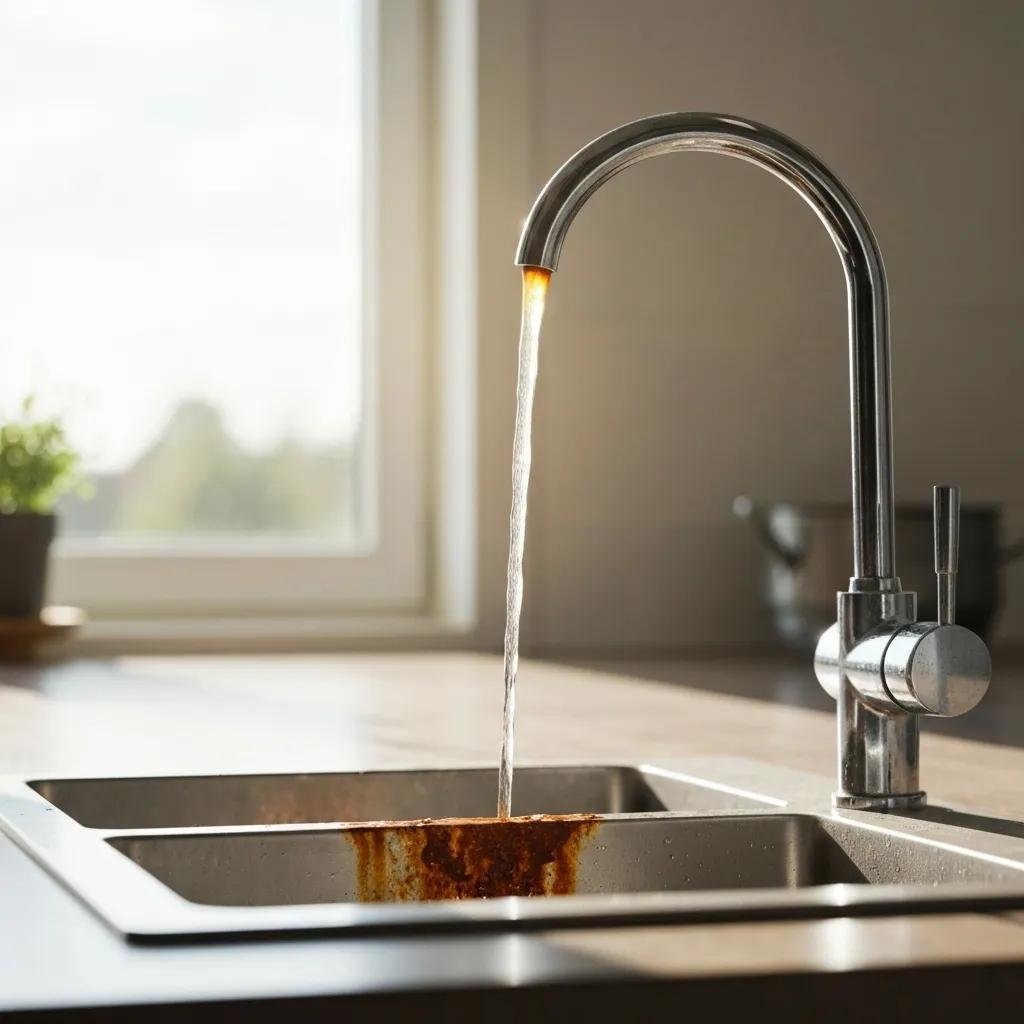
Rust-Colored Water in Miami-Dade Homes: Causes, Risks & Solutions
Seeing reddish-brown water pour from your tap signals more than just unsightly staining—it often reveals corrosion or sediment problems within a home’s plumbing system and local supply lines. In Miami-Dade County, where ageing galvanized pipes and hard water are common, addressing rust coloured water swiftly prevents health risks, protects fixtures, and restores crystal-clear flow. This guide walks you through the main causes, safety considerations, effective fixes, diagnostic steps, preventative maintenance tactics, and reasons to partner with a local plumbing expert.
What Are the Common Causes of Rust Coloured Water?
Rust coloured water emerges when iron oxides or sediments enter the household water supply, creating a metallic hue and taste. Identifying the source of discoloration is the first step toward a targeted solution. The three primary origins in South Florida homes are corroded water heaters, deteriorating pipes, and municipal or well-water issues.
How Does Water Heater Corrosion Cause Rusty Hot Water?
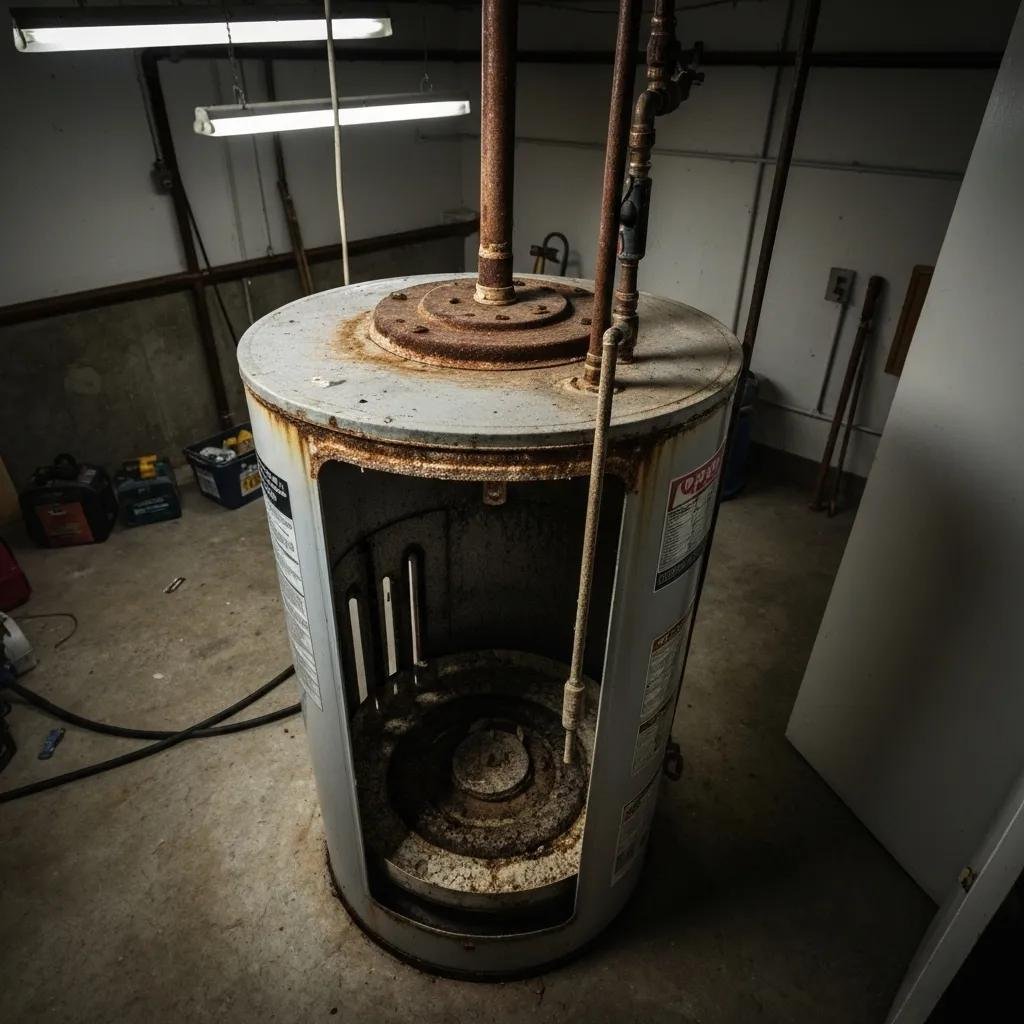
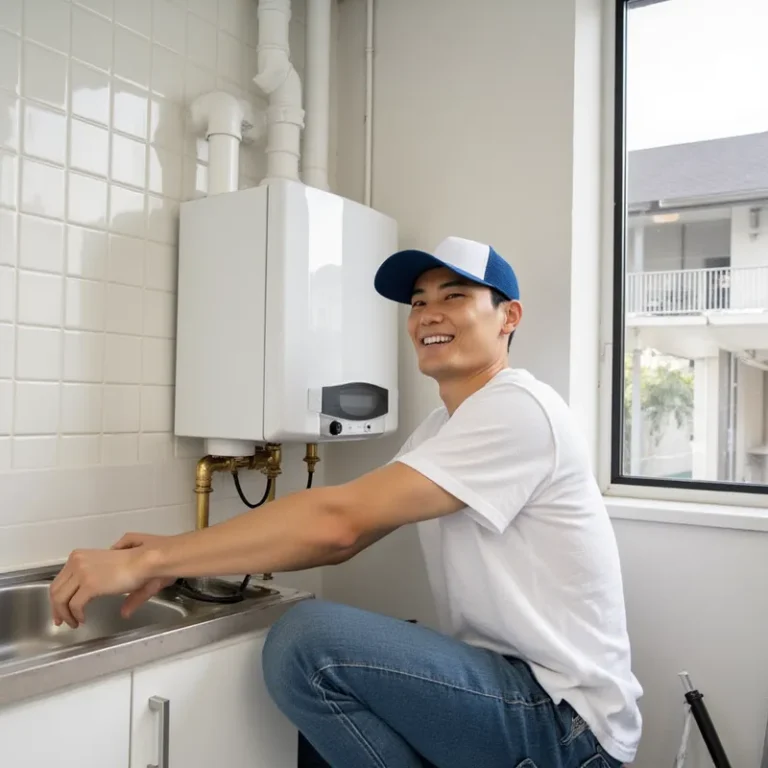
Water heaters develop internal corrosion when protective anode rods deplete and sediment accumulates at the tank bottom. This corrosion leads to reddish-brown particles in hot water taps.
- Anode rod depletion allows steel tank walls to oxidise
- Mineral sediment fosters galvanic corrosion around heating elements
- Rust flakes discolour hot water and shorten heater lifespan

Recognising these symptoms resolves rusty hot water and preserves heater performance through timely rod replacement and sediment flushing.
The Critical Role of Anode Rods in Water Heater Longevity
Anode rods, typically made of magnesium, aluminum, or titanium, act as sacrificial components in water heaters, corroding instead of the tank to prevent rust and extend the appliance’s lifespan. Regular inspection and replacement, approximately every 3-5 years, are crucial for maintaining water quality and heater efficiency, as a depleted rod can lead to tank corrosion and discolored hot water.
This information verifies the article’s explanation of how water heater corrosion occurs and how anode rods function to prevent it, emphasizing the importance of timely maintenance for clear hot water.
What Are the Signs of Pipe Corrosion and How Does It Affect Water Colour?
Corroded pipes shed iron debris into the water stream, producing uneven tinting and metallic taste. Homes with older galvanized or cast-iron plumbing often experience:
- Brown or orange streaks when water first runs
- Decreased flow rate from mineral scaling
- Metallic odour or pooled rust around fixtures
Regular inspections detect pitting and scaling before discoloured water appears, allowing repiping or targeted lining to restore water clarity.
How Do Municipal Water Supply Issues Lead to Rust Coloured Water in Miami-Dade?
Changes in municipal water flow or maintenance activities can stir rust from main lines, causing temporary discolouration at taps. Common causes include pipe flushing, hydrant testing, and main breaks.
| Supply Event | Rust Cause | Duration & Impact |
|---|---|---|
| Hydrant Flushing | Dislodged pipe sediment | Minutes to hours; local pockets |
| Water Main Break | Influx of dirt and corroded particles | Hours to days; neighbourhood-wide |
| Pressure Changes | Oxidation in cast-iron mains | Brief discoloured spurts |
These municipal events highlight the importance of sampling water after system work and, if needed, running taps until clear flow resumes.
Can Well Water Contribute to Rusty Water Problems?
Well water often contains elevated iron levels and iron-oxidising bacteria, resulting in rust deposits and staining. Typical factors include:
- High dissolved iron content from aquifer minerals
- Biological iron bacteria that form reddish slime
- pH imbalances that accelerate pipe corrosion
Installing a dedicated iron filter or disinfection system protects home plumbing and maintains stain-free taps.
Is Rust Coloured Water Safe? Understanding Health Risks and Safety Concerns
Rust coloured water usually signals plumbing wear rather than a direct health hazard, but enduring discolouration warrants careful evaluation. Iron oxide particles are generally non-toxic, yet their presence can accompany lead, manganese, or bacterial contamination in aged systems.
What Are the Health Implications of Drinking Rusty Water?
Consuming small amounts of iron oxide is unlikely to cause illness, but elevated iron can irritate the digestive tract and stain clothing or fixtures. Moreover, corroded pipe materials sometimes release lead or copper traces, raising safety alarms. Conducting water testing confirms whether rust indicates deeper contamination concerns.
Health Risks Associated with Corroding Water Pipes
Corroding galvanized pipes can leach lead and other heavy metals, such as cadmium, into drinking water, posing significant health hazards, especially in older homes. Additionally, rusted iron pipes can react with disinfectants in water distribution systems to produce carcinogenic hexavalent chromium.
This research directly supports the article’s claims regarding the health implications of drinking rusty water, particularly from corroded galvanized and iron pipes, and the potential for lead and other toxic metal contamination.
When Should You Be Concerned About Rust Coloured Water?
Persistent rust after running taps for several minutes or staining laundry and dishes suggests advanced corrosion or system infiltration. These warning signs include:
- Water remains tinted despite thorough flushing
- Orange or brown residue on sinks and tubs
- Metallic taste that intensifies over time
At this point, professional inspection is essential to rule out lead leaching or bacterial growth.
How Can You Test Your Water for Rust and Contaminants?
Homeowners can start with simple iron test strips or DIY sampling kits, but the most reliable approach involves lab analysis through the local water authority or certified private laboratory. Tests typically measure:
- Dissolved iron concentration
- Lead and copper levels
- Bacterial contaminants
Accurate results guide targeted remedies, from replacing corroded sections to upgrading whole-house filtration.
How Can You Fix Rusty Tap Water? Effective Solutions for Rust Coloured Water
Eliminating rust coloured water depends on its origin. Solutions range from routine maintenance to full component replacement, each designed to remove iron sediment, arrest corrosion, and prevent recurrence.
What Water Heater Repairs and Maintenance Can Eliminate Rusty Hot Water?
Flushing the tank and replacing the anode rod address most hot-water rust issues. Key steps include:
- Draining the heater to remove settled sediment
- Inspecting and installing a new sacrificial anode rod
- Checking heating elements for corrosion or wear
Regular maintenance restores clear hot water, reduces energy costs, and extends equipment life without immediate replacement.
How Do Pipe Repair and Repiping Services Resolve Rust Issues?

Specialist plumbers can spot-repair corroded segments or repipe entire lines using corrosion-resistant materials such as copper or PEX. Core benefits are:
- Removal of rust-producing old pipes
- Installation of non-corroding modern materials
- Improved water flow and pressure
A comprehensive assessment determines whether local patching or full repiping provides the most cost-effective, long-term solution.
What Water Filtration and Softening Systems Remove Rust and Iron?
Whole-house filters and water softeners effectively trap iron particles and reduce mineral hardness. Available options include:
- Sediment filters with micron ratings down to 5 µm
- Oxidation filters that convert dissolved iron for easy removal
- Ion-exchange softeners that exchange iron and hardness ions for sodium
These systems deliver clear, taste-neutral water throughout every tap, safeguarding appliances and plumbing.
How to Diagnose the Source of Rust Coloured Water in Your Home?
A systematic diagnosis differentiates between water heater, pipe, and supply issues, directing the proper remedy. Begin by isolating water taps and observing when and where rust appears.
How to Determine If Rust Is Coming From Hot Water Only or All Taps?
Run cold and hot taps separately:
- Turn on a cold-water faucet; note any discolouration after one minute
- Repeat with the hot tap once the heater cycles on
Rust exclusively in hot water indicates the heater, while universal tint points to pipes or supply.
What Are the Signs That Point to Corroded Pipes Versus Water Heater Problems?
Corroded pipes often cause intermittent rust and fluctuating pressure, whereas a failing heater produces consistent rusty hot water until maintenance. Visual cues include:
- Localised rust around fittings and fixtures (pipe corrosion)
- Uniform tint from every hot-water outlet (heater corrosion)
Identifying these distinctions directs professional efforts to the correct component.
How Do External Factors Like Water Main Breaks Affect Water Colour?
External events may introduce temporary rust bursts. Check with municipal advisories for main-line repairs or hydrant flushing schedules, then run faucets until clear. If rust persists beyond 10 minutes, internal systems likely require attention.
What Preventative Maintenance Can Help Avoid Rust Coloured Water?
Proactive inspections and small maintenance tasks preserve water quality, prevent corrosion, and prolong plumbing component lifespans. A few simple routines keep water clear year-round.
How Often Should You Schedule Plumbing Inspections for Rust Prevention?
Professional inspections every 1–2 years detect early corrosion and sediment accumulation. Key checks cover:
- Anode rod condition in the water heater
- Pipe interior integrity via video camera scans
- Water quality sampling for iron and mineral content
Routine oversight uncovers hidden issues before they escalate into discoloured water events.
What Are the Benefits of Regular Water Heater Flushing and Anode Rod Checks?
Periodic tank flushing removes accumulated sediment, preventing galvanic corrosion, while anode rod assessments ensure continued corrosion protection. Consistent care:
- Maintains clear hot water
- Optimises heating efficiency
- Extends heater lifespan by 2–3 years on average
These tasks deliver peace of mind and avoid emergency repairs.
How Can Upgrading Pipes Prevent Future Rust Issues?
Switching to copper or PEX piping eliminates rust sources and minimises maintenance. Modern materials resist scaling, require fewer fittings, and support higher water pressure. Investing in repiping:
- Delivers lasting water clarity
- Reduces leak risk and staining
- Enhances property value and compliance
When planned around other renovations, pipe upgrades offer a seamless way to eliminate rust concerns.
Why Choose a Miami-Dade Plumber for Rust Coloured Water Problems?
Local expertise, swift response, and a comprehensive service range make Miami-Dade plumbers the ideal partner for rust water challenges. Understanding regional water quality and infrastructure nuances ensures lasting solutions.
What Makes Our Miami-Dade Plumbing Services Unique for Rust Water Issues?
Our technicians combine advanced diagnostic equipment with deep familiarity of South Florida piping and supply characteristics. This local knowledge allows us to:
- Identify hidden corrosion in older neighbourhoods
- Recommend solutions tailored to municipal water variations
- Provide emergency response when discoloration signals urgent system failure
How Do Our Comprehensive Solutions Address Rust Coloured Water?
From initial water testing and pipe inspections to full-system repiping and filtration installations, our approach covers every step:
- Precise source identification via flow tests and camera inspection
- Targeted repairs, flushing services, or component replacements
- Preventative maintenance plans to sustain water clarity
By handling diagnosis, repair, and ongoing care, we ensure homes remain rust-free.
What Do Customers Say About Our Rust Water Plumbing Services?
Homeowners praise our transparent pricing, timely arrivals, and effective results:
- “They flushed our heater and replaced the anode rod within hours—no more rust.”
- “Repiping with PEX solved years of brown water, and our laundry is spotless again.”
- “The whole-house iron filter installation transformed our water taste.”
Satisfied clients in Coral Gables, Miami Beach, and beyond trust us to keep their water pure.
Frequently Asked Questions
What Should I Do If My Water Remains Rusty After Flushing?
If your water continues to appear rusty after flushing for several minutes, it may indicate a more serious issue, such as corroded pipes or a failing water heater. In this case, it is advisable to contact a professional plumber to conduct a thorough inspection. They can identify the source of the problem and recommend appropriate solutions, such as repairs or replacements, to restore clear water flow in your home.
How Can I Prevent Rust Coloured Water in the Future?
To prevent rust coloured water, regular maintenance is key. Schedule plumbing inspections every 1-2 years to check for corrosion and sediment buildup. Additionally, consider installing water filtration systems that can remove iron and other contaminants. Upgrading to corrosion-resistant pipes, such as PEX or copper, can also significantly reduce the risk of rust issues in your plumbing system.
Are There Any DIY Solutions for Rusty Water?
While some minor rust issues can be addressed with DIY methods, such as flushing your water heater or running cold taps to clear temporary discoloration, persistent rust typically requires professional intervention. For effective long-term solutions, it’s best to consult a plumber who can accurately diagnose and treat the underlying causes of rust in your water supply.
What Are the Signs That Indicate I Need to Replace My Water Heater?
Signs that may indicate the need for a water heater replacement include consistent rusty hot water, unusual noises from the tank, and leaks around the unit. If the anode rod is depleted and the tank shows signs of corrosion, it may be more cost-effective to replace the heater rather than continue repairs. Regular maintenance can help extend the life of your water heater.
How Do I Know If My Water Supply Is Contaminated?
To determine if your water supply is contaminated, conduct a water quality test. Look for elevated levels of iron, lead, or other harmful substances. If you notice persistent rust, unusual tastes, or odours, these can also be indicators of contamination. Testing kits are available for home use, but for comprehensive analysis, consider hiring a certified laboratory.
What Are the Long-Term Effects of Drinking Rusty Water?
While small amounts of iron oxide are generally not harmful, long-term consumption of rusty water can lead to gastrointestinal irritation and may indicate the presence of other contaminants, such as lead or bacteria. Prolonged exposure to these substances can pose health risks, making it essential to address any issues with rust coloured water promptly.
Is Rust Coloured Water Safe to Drink or Use?
Rust coloured water contains iron oxide particles that are not typically harmful in low concentrations, but they can stain fixtures and clothing. Persistent discoloration may accompany lead or bacterial contaminants, so professional testing is recommended before consumption.
Why Is Only My Hot Water Rusty?
When only hot taps run rust coloured, it indicates corrosion or sediment buildup inside the water heater tank. Anode rod depletion or accumulated mineral deposits cause iron oxidation that appears solely in heated water.
How Long Does It Take for Rust Coloured Water to Clear?
After flushing faucets for two to five minutes, water should run clear if rust originates from temporary supply disturbances. Continuous tint beyond this window points to internal corrosion needing targeted service.
Can I Fix Rusty Water Without a Plumber?
Minor issues such as running cold-water taps may clear temporary rust from municipal work. However, diagnosing and treating ongoing corrosion in heaters or pipes requires professional tools and expertise to ensure safe, lasting results.
What Is the Cost of Pipe Replacement for Rust Issues in Miami?
Pipe repiping costs vary by material, home size, and accessibility. PEX lines typically range from $50 to $80 per metre installed, while copper can span $70 to $100 per metre. A precise estimate follows a thorough inspection.
Rust coloured water need not be a permanent problem—addressing the root cause restores clear, reliable flow. Whether flushing a heater, replacing corroded pipes, or installing advanced filtration, professional intervention in Miami-Dade ensures safe, stain-free water for years to come. Schedule an inspection with a local expert today to diagnose your system and secure lasting clarity.
Research Support
Impacts of Elevated Iron and Iron Bacteria in Well Water
High levels of iron in well water can lead to aesthetic issues like staining and a metallic taste, and can also promote the growth of iron bacteria, which form reddish slime and can cause plumbing problems. While iron itself is not always a direct health hazard in small amounts, its presence can indicate other contaminants or facilitate the growth of harmful bacteria, making water testing important.
This research supports the article’s section on how well water contributes to rusty water problems, detailing the role of dissolved iron and iron-oxidizing bacteria, and the associated aesthetic and potential health concerns.
About Us
Expert Plumbers Miami-Dade County offer fast, reliable home services for plumbing installation or repair, HVAC and professional electrical services.
With extensive experience in handling common and complex issues or emergency service, our team saves you time and money, ensuring your home services are conducted with the utmost professionalism and efficiency.
DISCLAIMER This site is designed to assist homeowners in connecting with local home service contractors. All home service contractors are independent and this site does not warrant or guarantee any work performed. It is the responsibility of the homeowner to verify that the hired home service contractor furnishes the necessary license and insurance required for the work being performed. All persons depicted in a photo or video may be actors or models and not contractors listed on this site.