
Discover Five Essential Tips For Effective Water Boiler Maintenance
Your water boiler is the heart of your home’s heating system, pumping warmth throughout when the chill sets in. To guarantee it beats efficiently, regular maintenance is essential. You’ll need to inspect key components, monitor pressure levels, and flush the system annually. Ignoring these tasks can lead to costly repairs or safety hazards. So, what specific steps should you take to maintain peak performance and extend the life of your boiler?
Top Water Boiler Maintenance Tips for Efficiency & Safety
- Regularly inspect and clean the heat exchanger, burner, and flue to ensure efficient operation and safety.
- Maintain proper pressure levels by checking the pressure gauge and testing the safety valve periodically.
- Flush the system at least once a year to remove sediment buildup and impurities from the boiler.
- Schedule professional maintenance to identify potential issues and ensure optimal performance of your water boiler.
- Familiarize yourself with your boiler type to implement appropriate maintenance practices for longevity and efficiency.
Understanding Your Water Boiler
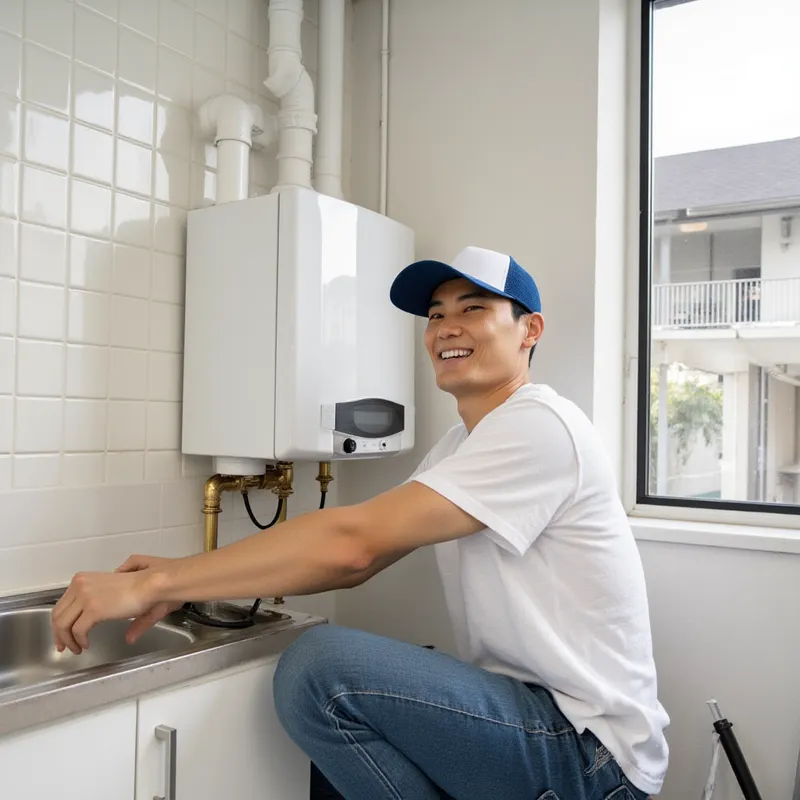
To effectively maintain your water boiler, it’s essential to understand its components and how they function together. Familiarize yourself with the various boiler types, such as combi, system, and conventional boilers. Each type has unique characteristics that affect energy efficiency and performance.
Combi boilers supply both heating and hot water directly, while system boilers require a storage tank for hot water. Conventional boilers, on the other hand, operate with separate tanks for both heating and hot water. Understanding these distinctions helps you optimize energy efficiency and select the right maintenance practices.

Pay attention to key components like the heat exchanger, burner, and controls, as they collectively influence your boiler’s overall efficiency and reliability.
Regular Inspection and Cleaning
Although many homeowners overlook it, regular inspection and cleaning of your water boiler is essential for ensuring ideal performance and longevity.
Start by consulting your maintenance checklist to identify key boiler components that require attention. Inspect the heat exchanger for scale buildup and clean it as necessary, as this can greatly affect efficiency. Check the burner for dust and debris, ensuring proper combustion.
Don’t forget to examine the flue for blockages, as this can pose safety risks. Additionally, inspect the expansion tank and pressure relief valve for any signs of wear.
Checking and Maintaining Pressure Levels
Maintaining proper pressure levels in your water boiler is essential for both safety and efficiency. Start by regularly checking the pressure gauge to verify it reads within the manufacturer’s specified range.
If the pressure is too high, the safety valve should activate to prevent potential hazards. Make certain the safety valve is functioning correctly; you can do this by manually lifting the lever to release some pressure and listening for any hissing sound.
If the pressure is too low, you may need to adjust the water feed or check for leaks. Always monitor these levels closely, as improper pressure can lead to system inefficiencies or damage.
Regular checks will help maintain peak performance and extend your boiler’s lifespan.
How to Flush Your Water Boiler System for Optimal Efficiency
Flushing the system is an essential maintenance task that helps remove sediment buildup and impurities from your water boiler.
To maintain peak efficiency, you should flush your system at least once a year, or more frequently if you notice reduced performance or hear unusual noises.
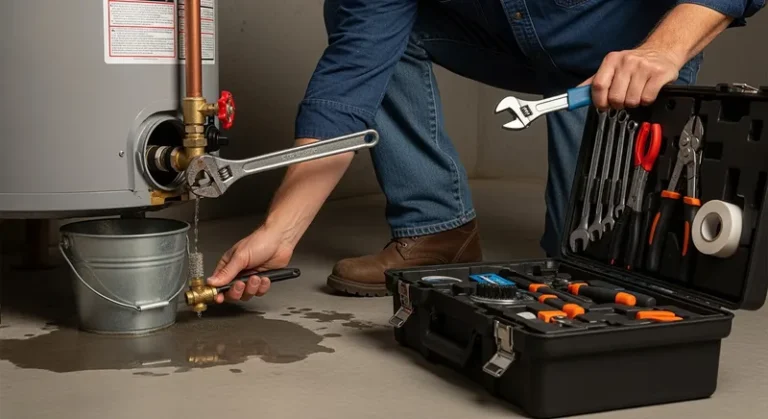
Start by turning off the boiler and allowing it to cool. Next, connect a hose to the drain valve, ensuring it directs water to a suitable drain. Open the valve and let the water run until it’s clear.
Utilize proper techniques by periodically opening the flush valve to agitate the sediment and enhance removal. After flushing, close the valve and refill the system, checking for leaks.
This process prolongs your boiler’s life and improves efficiency.
Scheduling Professional Maintenance
Scheduling professional maintenance for your water boiler is essential for ensuring its longevity and ideal performance.
Regular assessments help identify potential issues before they escalate, ultimately saving you time and money. It’s vital to establish a maintenance frequency that aligns with your boiler’s usage and manufacturer recommendations.
- Assess system efficiency and identify inefficiencies.
- Check safety mechanisms to prevent hazards.
- Clean and replace worn components to enhance performance.
Conclusion
By prioritizing water boiler maintenance, you not only guarantee efficient operation but also safeguard your home. Think of it like a car; regular checks and servicing prevent breakdowns. When you inspect, clean, and flush your system, you’re actively extending its lifespan and enhancing safety. Plus, scheduling professional maintenance can reveal hidden issues before they become costly repairs. So, invest a little time and effort now, and you’ll reap the benefits of a reliable, efficient heating system for years to come.
For a professional water boiler maintenance service, we have plumbers available in your area. Call us now for a free quote and to schedule your installation.