

Simple DIY Plumbing Repairs for Homeowners

Simple DIY Plumbing Repairs for Homeowners: How to Fix Common Issues and When to Call a Professional
A dripping faucet can waste over 3,000 gallons of water annually, increasing bills and causing frustration for homeowners.
The Environmental and Financial Impact of Leaky Faucets
Research from the U.S. Environmental Protection Agency (EPA) indicates that a faucet dripping at a rate of one drip per second can waste over 3,000 gallons of water annually. This amount is equivalent to the water needed for more than 180 showers, highlighting the significant environmental and financial impact of unaddressed leaks.
This research directly supports the article’s opening statement about the substantial amount of water wasted by a dripping faucet each year.
In this guide on simple DIY plumbing repairs, you’ll discover clear solutions for leaky taps, clogged drains, running toilets, pipe leaks, and water heater hiccups—plus essential tools, common pitfalls to avoid, and guidance on when to enlist professional help from trusted Miami-Dade plumbing experts. You will learn:
- How to fix a leaky tap with step-by-step instructions and key supplies
- DIY methods for safely unclogging kitchen and shower drains
- Troubleshooting and flapper-valve replacement for a running toilet
- Temporary fixes for pipe leaks and signs you need expert intervention
- Simple water heater maintenance tips and diagnoses for no-hot-water problems
- A rundown of must-have plumbing tools and typical DIY mistakes to sidestep
How Can Homeowners Fix a Leaky Tap at Home?
Fixing a leaky tap involves replacing worn seals or washers to restore a watertight seal, which stops drips and conserves water by preventing continuous leakage. Performing a faucet repair improves efficiency, reduces utility costs, and extends fixture lifespan.

Homeowners often notice water pooling beneath the sink or a steady drip from the spout, indicating that the internal rubber washer or cartridge has degraded. Addressing these worn components prevents corrosion, mineral buildup, and larger plumbing issues down the line.
What Tools and Supplies Are Needed for Faucet Repair?

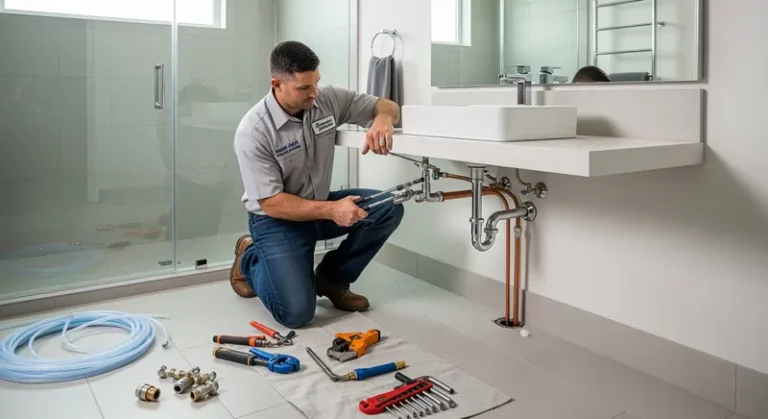
Below is a list of basic tools and supplies that enable homeowners to remove faucet parts, replace seals, and reassemble the tap correctly.
- A basin wrench for loosening mounting nuts under the sink
- Adjustable wrench to grip and turn hex fittings
- Screwdriver set (flathead and Phillips) for handle screws
- Replacement washers, O-rings, or cartridge kits matched to faucet model
- Plumber’s grease to lubricate moving parts
- Teflon tape for sealing threaded joints
These items ensure you can disassemble the faucet safely, swap out faulty components, and reassemble without leaks, empowering you to stop drips efficiently.
What Are the Step-by-Step Instructions to Fix a Dripping Tap?
- Shut off the water supply by closing the valves under the sink.
- Remove the handle by unscrewing the cap and lifting the handle off the stem.
- Extract the cartridge or stem assembly using pliers or wrench, noting orientation.
- Replace the washer or O-ring on the cartridge seat or stem with a new part.
- Apply plumber’s grease sparingly to seals to ease reassembly.
- Reassemble the faucet in reverse order, ensuring all components seat squarely.
- Turn water back on and test for leaks by slowly opening the valve.
Completing these steps restores the faucet’s watertight seal and halts dripping, saving both water and money.
When Should You Call a Plumber for Faucet Leaks?
While many leaks can be resolved with simple washer or cartridge replacements, call a professional plumber if you encounter:
- Persistent leaks after seal replacement
- Broken or seized valve stems requiring specialized extraction
- Cracked faucet body or corroded internal passages
- Low water pressure or irregular water flow patterns
- Difficulty accessing hard-to-reach fixtures under sinks
Recognising these limitations ensures you avoid causing further damage and keeps your plumbing system safe and reliable.
What Professional Faucet Repair Services Are Available in Miami-Dade?
| Service Offering | Features | Benefit |
|---|---|---|
| Cartridge Replacement | Model-matched parts and on-site removal | Lasting leak prevention |
| Valve Seat Refurbishment | Resurfacing or replacement of valve seats | Smooth operation and extended faucet life |
| Fixture Upgrade and Installation | Wide selection of modern tap styles | Improved aesthetics and water efficiency |
What Are Effective DIY Methods to Unclog Drains at Home?
Unclogging a drain removes blockages in pipes by applying mechanical or natural chemical actions, which restores proper water flow and prevents slow drainage that can lead to backups and odors. Employing eco-friendly cleaners protects plumbing and the environment.
Common blockages form from hair, grease, soap scum, and food particles. Tackling minor clogs immediately prevents buildup from escalating into complex sewer obstructions requiring costly professional intervention.
Which Tools and Natural Drain Cleaners Can Homeowners Use?
Homeowners can clear typical sink and shower clogs using a combination of simple tools and homemade solutions:
| Item | Purpose | Typical Effectiveness |
|---|---|---|
| Plunger | Creates suction to dislodge debris | Effective on shallow clogs |
| Drain snake (auger) | Manoeuvres into pipe to break blockages | Clears deeper or more stubborn clogs |
| Baking soda and vinegar | Reacts to dissolve organic residue | Safe for most plumbers pipes |
| Hot water rinse | Flushes loosened debris through trap | Completes the cleaning cycle |
With these materials, you can maintain clear pipes and delay the need for professional drain cleaning services.
After clearing visible clogs, flushing with hot water washes out residual grease, ensuring free-flowing drains and preventing immediate reaccumulation of debris.
How to Safely Unclog Kitchen and Shower Drains Yourself?
- Remove and clean the drain stopper to access the trap directly.
- Use a plunger or auger to apply pressure or rotational force against the clog.
- Flush with a baking soda–vinegar reaction followed by hot water to dissolve remaining residue.
Completing these steps promptly keeps your plumbing clear and delays the escalation of blockages that require specialised equipment.
When Is Emergency Drain Cleaning Needed?
Even with regular DIY maintenance, emergency drain cleaning is required if you experience:
- Multiple fixtures backing up simultaneously
- Foul sewer odors escaping from drains
- Slow drainage persisting after DIY attempts
- Gurgling sounds in multiple sinks or toilets
Recognising these red flags lets you call for professional assistance before sewage overflows or pipe damage occurs.
How to Schedule Professional Drain Cleaning Services in Miami-Dade?
Local experts offer:
- Video camera pipe inspections for precise blockage location
- Hydrojetting to scour interior pipe walls with high-pressure water
- Preventive maintenance plans to avoid future build-up
Engaging a professional drain cleaning service in Miami-Dade ensures rapid, thorough removal of complex clogs and helps maintain long-term plumbing health.
How Can Homeowners Troubleshoot and Repair a Running Toilet?
A running toilet constantly refills water due to faulty internal components, which wastes up to 200 gallons daily and inflates water bills.
Quantifying Water Loss from Running Toilets
An average leaking toilet can waste approximately 200 gallons of water every day, according to reports from the EPA. The severity of toilet leaks can vary, with slow leaks wasting around 30 gallons daily, while a continuously running toilet can waste up to 4,000 gallons per day, leading to significant increases in water bills.
Persistent running often relates to worn flappers, misaligned fill valves, or mineral-clogged inlet tubes that prevent the bowl from filling to the correct level.
What Are Common Causes of a Running Toilet?
The most frequent culprits behind a continuously running toilet include:
- Worn flapper valve that fails to seal the flush valve properly
- Float height misadjustment causing overflow tube spillage
- Corroded or clogged fill valve obstructing proper shut-off
- Chain slack or binding preventing the flap from seating securely
Identifying the specific cause allows targeted repairs that stop water waste immediately.
How to Replace a Toilet Flapper Valve: A DIY Guide?
- Turn off the water supply at the shut-off valve and flush to empty the tank.
- Disconnect the chain from the flush handle lever and remove the old flapper.
- Attach the new flapper to the flush valve pegs and reconnect the chain with slight slack.
- Turn water back on and test multiple flushes to confirm a watertight seal.
This simple replacement restores the tank’s ability to hold water without leaking into the bowl, saving gallons every day.
When Is Professional Toilet Repair Recommended?
Call for professional toilet repair if you notice:
- Cracked porcelain that risks leaks or structural failure
- Recurrent fill-valve malfunctions after multiple replacements
- Water supply line corrosion or leaking at the tank base
- Difficulty accessing tight spaces behind cabinets or within wall-mounted models
Engaging a qualified plumber prevents costly water damage and ensures reliable long-term performance.
What Toilet Repair and Installation Services Are Offered Locally?
| Service | Description | Advantage |
|---|---|---|
| Tank-and-bowl replacement | Full fixture swap with new water-efficient model | Improved flush performance and savings |
| Leak detection and seal repair | On-site diagnosis with guaranteed seal fixes | Stops leaks instantly and prevents damage |
| Complete toilet installation | Removal of old unit, new fitting and sealing | Professional finish and code compliance |
What Are Basic Pipe Leak Repairs Homeowners Can Attempt?
Temporary pipe leak repairs use sealing compounds or clamps to stop water escape at joints and cracks, preventing further damage until permanent solutions can be applied. Rapid containment minimises property harm and gives you time to arrange professional replacements.
Identifying and stemming minor leaks avoids mildew growth, wood rot, and costly structural repairs.
How to Identify Common Causes of Pipe Leaks?
Most leaks originate from:
- Loose compression fittings that vibrate or shift over time
- Corroded metal pipes or joints eroded by mineral-rich water
- Hairline cracks in PVC or PEX pipes from pressure changes or impact
- Faulty solder joints on copper piping weakened by overheating
Spotting the root cause guides you to the most effective temporary fix, reducing flood risk until permanent repair.
What Temporary Fixes Can You Apply to Leaky Pipes?
- Wrap self-fusing silicone tape around the leak site to create a waterproof barrier.
- Apply epoxy putty directly over cracks or pinhole leaks to seal the pipe wall.
- Install an adjustable pipe clamp with rubber gasket over the damaged area for added reinforcement.
These methods provide immediate leak stoppage, buying you the necessary time to schedule a complete pipe replacement.
When Should You Contact a Professional for Pipe Leak Repair?
Seek professional intervention if you encounter:
- Persistent leaks after multiple temporary fixes
- Leaks at hard-to-access joints or within wall cavities
- Widespread corrosion or multiple leak points along one run
- Burst or large-diameter pipe failures requiring full system replacement
Calling in experts promptly prevents hidden water damage and ensures durable, code-compliant repairs.
What Expert Pipe Repair Services Are Available in Miami-Dade?
| Service Type | Technique | Benefit |
|---|---|---|
| Trenchless pipe lining | Internal resin coating without excavation | Minimally invasive and cost-effective |
| Full pipe replacement | Removal and install of new pipe sections | Long-term reliability and warranty support |
| Leak detection and mapping | Thermal imaging and acoustic detection | Precisely locates leaks behind walls |
What Are the Most Common DIY Plumbing Mistakes and How to Avoid Them?
Attempting plumbing fixes without proper knowledge can worsen leaks, void warranties, and trigger code violations, leading to costly professional repairs. Recognising common errors helps homeowners prevent expensive rework.
The Hidden Risks of DIY Plumbing and Benefits of Professional Maintenance
Attempting do-it-yourself (DIY) plumbing repairswithout adequate knowledge can lead to increased damage, costly repairs, and potential health and safety risks such as water contamination, electrical hazards, and mold growth. Improperly performed DIY work can also void manufacturer warranties and homeowners’ insurance policies. Conversely, regular professional plumbing maintenance helps prevent major issues, improves water quality, extends system lifespan, and reduces water bills.
This citation supports the article’s sections on when to call a professional and the common pitfalls of DIY repairs, while also reinforcing the value of professional maintenance.
What Are Frequent Errors When Fixing Leaky Faucets and Drains?
Homeowners often make these mistakes:
- Over-tightening fittings, which cracks plastic components or strips threads
- Using harsh chemical drain cleaners that erode pipe walls
- Neglecting to shut off water supply before disassembly
- Skipping plumber’s grease on seals, causing premature wear
- Reusing old parts instead of installing manufacturer-approved replacements
Avoiding these errors ensures that repairs hold up and do not create bigger problems.
Frequently Asked Questions
What are the signs that indicate a plumbing issue in my home?
Common signs of plumbing issues include water stains on walls or ceilings, unusual sounds from pipes, low water pressure, slow drains, and persistent foul odours. If you notice any of these symptoms, it may indicate leaks, clogs, or other plumbing problems that require attention. Early detection can prevent more significant damage and costly repairs, so it’s essential to address these signs promptly.
How can I prevent plumbing issues in my home?
Preventive measures include regular maintenance checks, such as inspecting pipes for corrosion, cleaning drains to avoid clogs, and checking for leaks around fixtures. Additionally, using strainers in sinks and tubs can catch debris before it enters the plumbing system. It’s also wise to avoid pouring grease or non-biodegradable items down the drain. Regularly flushing your water heater and ensuring proper insulation for pipes can further prevent issues.
What should I do if I have a plumbing emergency?
In a plumbing emergency, the first step is to shut off the main water supply to prevent further damage. Next, assess the situation to determine if it’s a minor issue you can handle or if you need to call a professional plumber. For severe leaks or flooding, contacting emergency plumbing services immediately is crucial. Keep a list of local plumbers handy for quick access during emergencies.
Are there any plumbing repairs I should never attempt myself?
Yes, certain plumbing repairs are best left to professionals. These include major pipe replacements, sewer line repairs, and any work involving gas lines. Additionally, if you encounter complex issues like persistent leaks after multiple attempts to fix them, or if you’re unsure about the repair process, it’s wise to consult a licensed plumber. Attempting these repairs without proper knowledge can lead to further damage and safety hazards.
How can I choose the right plumber for my needs?
To choose the right plumber, start by checking their credentials, including licensing and insurance. Look for reviews and testimonials from previous customers to gauge their reliability and quality of work. It’s also beneficial to ask for quotes from multiple plumbers to compare pricing and services. Finally, ensure they offer a warranty on their work, which can provide peace of mind regarding the quality of repairs.
What are the benefits of regular plumbing maintenance?
Regular plumbing maintenance can significantly extend the lifespan of your plumbing system, prevent costly repairs, and improve water efficiency. Routine checks can identify potential issues before they escalate, saving you money in the long run. Additionally, well-maintained plumbing can enhance water quality and reduce the risk of leaks and clogs, ensuring your home remains safe and functional.
About Us
Expert Plumbers Miami-Dade County offer fast, reliable home services for plumbing installation or repair, HVAC and professional electrical services.
With extensive experience in handling common and complex issues or emergency service, our team saves you time and money, ensuring your home services are conducted with the utmost professionalism and efficiency.
DISCLAIMER This site is designed to assist homeowners in connecting with local home service contractors. All home service contractors are independent and this site does not warrant or guarantee any work performed. It is the responsibility of the homeowner to verify that the hired home service contractor furnishes the necessary license and insurance required for the work being performed. All persons depicted in a photo or video may be actors or models and not contractors listed on this site.