

What To Know Before Furnace Installation
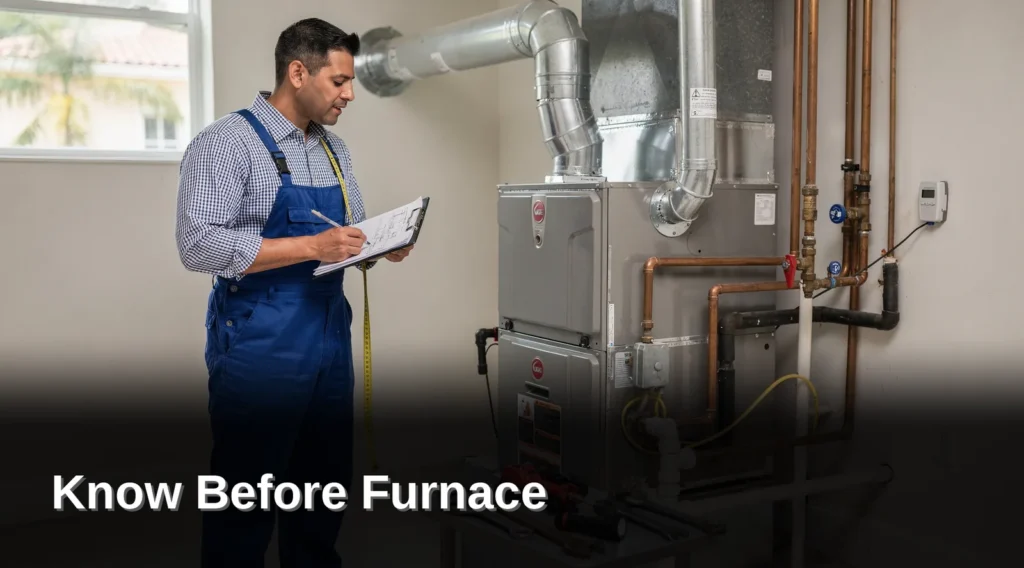
Furnace installation requires proper sizing, safe placement, and correct connections before a technician configures and tests the system. Carrier Factory Authorized Dealers evaluate a home’s heating needs, recommend appropriately sized equipment, and verify operation after setup. Homeowners should confirm licensing, request an upfront estimate, and schedule inspection of ductwork, gas lines, and ventilation for code compliance and long-term efficiency.
Key Takeaways
Furnace installation requires selecting, sizing, positioning, connecting, configuring, and testing for safe home heating.
HVAC systems need specific design requirements matched to your home’s individual heating and comfort needs.

Professional assessment determines appropriately sized systems and verifies proper installation completion and system performance.
Furnace installation is complex; it’s not as simple as plugging in a refrigerator or microwave.
What Should You Know Before Furnace Installation Begins?
Furnace and installation planning determines how the entire project unfolds. The process covers selecting the right unit, sizing it correctly, positioning it in the home, connecting it, configuring controls, and testing the system so it heats safely and efficiently. Skipping any of these stages risks uneven heating, higher utility bills, or a unit that fails long before its time.
Property managers and homeowners should also understand that a furnace installer does more than mount a box against a wall. Proper work requires precise load calculations, an assessment of existing ductwork, and correct electrical connections. Treating installation as a simple plug-and-play task leads to poor airflow and wasted energy month after month.
What Should Homeowners Expect From Professional Furnace Installers?
Reliable furnace installers deliver certified, dependable service backed by transparent, upfront pricing. Estimates come risk-free, so property owners know the full cost before any work begins. That clarity protects against surprise charges once the job is underway.
Are Furnace Installation Crews Licensed and Code-Compliant?
Licensed professionals handle every furnace installation, following local codes at each step. Crews leave the work area clean once testing confirms the system runs properly. This attention to compliance and tidiness reflects the same standard homeowners expect from any trusted furnace installation cost estimate: honest, code-compliant, and complete.
What Are the Steps in Furnace Installation?
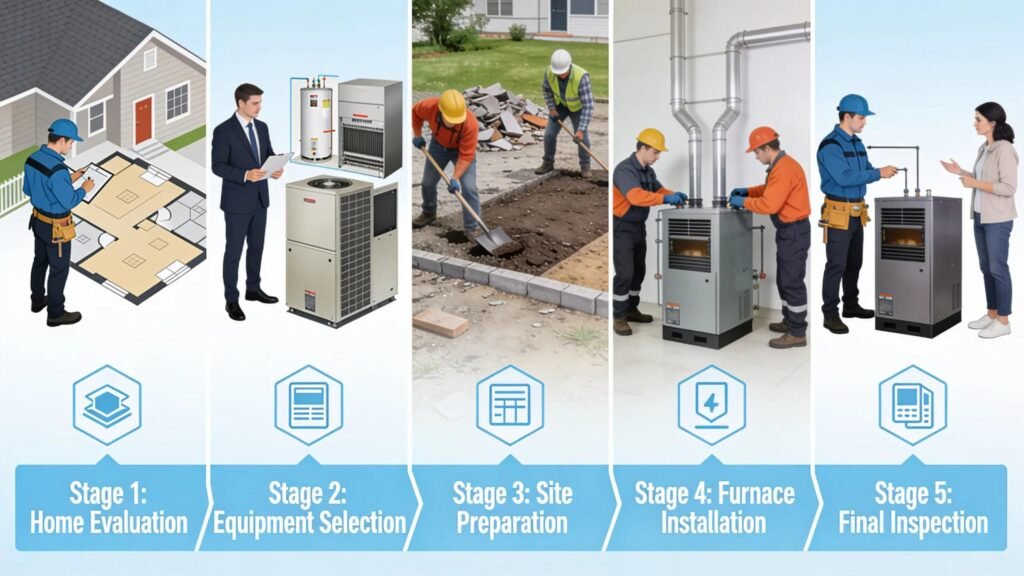
Five sequential stages define proper furnace installation: evaluating the home, selecting equipment, preparing the site, connecting utilities, and testing for safety. Skipping any stage risks uneven heating, higher utility bills, or a system that fails inspection. A structured process protects the homeowner’s investment and keeps the property compliant with local codes.
Licensed furnace installers follow a set order rather than improvising room by room. Because every house presents different insulation, ductwork, and square footage, each furnace and installation project starts with an assessment rather than a generic install.
Assess heating needs. Technicians evaluate square footage, insulation quality, and existing ductwork before recommending equipment.
Select the right unit. Sizing depends on the specific design requirements of the home, since a mismatched furnace strains the system or leaves rooms cold.
Prepare the installation site. Crews clear the work area and confirm ventilation and clearance meet code.
Connect gas and electrical lines. This stage demands specialized tools and trained hands, not guesswork.
Test the system. Technicians verify airflow, ignition, and safety shutoffs before signing off.
How Long Does a Furnace Installation Take?
Timelines vary by home layout and system complexity, since ductwork modifications add extra hours. Straightforward replacements move faster than installations requiring new gas or electrical connections.
Do I Need a Professional for Furnace Installation?
Yes. HVAC systems require specialized training and equipment matched precisely to the home. Scheduling starts with a single phone call. The homeowner describes the problem, receives a clear estimate, and books a licensed technician who uses proven, industry-standard methods to finish the job right the first time.
How Do You Avoid Furnace Installation Mistakes?
Avoiding costly errors starts with choosing a contractor who follows Florida code requirements and puts customer needs first. Skipping this step invites rework, safety violations, and wasted money on repairs that shouldn’t have been necessary.
Homeowners, property managers, and businesses across Miami-Dade County communities can find local support for furnace and installation projects rather than guessing alone. Local knowledge matters: contractors familiar with the area understand regional code details and common installation pitfalls specific to South Florida homes.
What Should Homeowners Expect During a Furnace Installation?
Knowing the installation process in advance protects the investment. Understanding each stage, from sizing to final testing, allows homeowners to hold their furnace installers accountable and catch mistakes before they become expensive problems.
How Can Property Managers Reduce Downtime During Furnace Replacement?
Scheduling flexibility matters most when equipment fails without warning. Same-day and after-hours options cut downtime significantly during peak heating seasons, keeping tenants comfortable and operations running.
Practical steps for avoiding mistakes:
Verify licensing and code compliance before signing any contract.
Ask for a written, upfront estimate covering the full furnace installation cost.
Confirm scheduling flexibility, including after-hours availability.
Search “furnace installer near me” and compare local reviews before committing.
Careful vetting upfront prevents most installation headaches later.
FAQ
What does furnace installation actually involve?
Furnace installation covers selecting, sizing, positioning, connecting, configuring, and testing a unit for safe home heating. It requires precise load calculations, ductwork assessment, and correct electrical connections, far more complex than a simple plug-and-play task.
What should homeowners confirm before hiring an installer?
Homeowners should confirm licensing, request an upfront estimate, and schedule inspection of ductwork, gas lines, and ventilation. This ensures code compliance and protects against surprise charges once work begins.
What are the main stages of a furnace installation project?
Five sequential stages define proper installation: evaluating the home, selecting equipment, preparing the site, connecting utilities, and testing for safety. Skipping any stage risks uneven heating or a system that fails inspection.
Conclusion
In closing, furnace installation represents a significant investment in your home’s comfort and safety, requiring careful planning and professional expertise. By understanding the key factors, system sizing, fuel type, efficiency ratings, and local code compliance, you position yourself to make an informed decision that serves your household for years to come. A licensed technician ensures proper installation, optimal performance, and peace of mind, transforming your heating system into a reliable foundation for year-round comfort.
About Us
Expert Plumbers Miami-Dade County offer fast, reliable home services for plumbing installation or repair, HVAC and professional electrical services.
With extensive experience in handling common and complex issues or emergency service, our team saves you time and money, ensuring your home services are conducted with the utmost professionalism and efficiency.
Quick Links
DISCLAIMER This site is designed to assist homeowners in connecting with local home service contractors. All home service contractors are independent and this site does not warrant or guarantee any work performed. It is the responsibility of the homeowner to verify that the hired home service contractor furnishes the necessary license and insurance required for the work being performed. All persons depicted in a photo or video may be actors or models and not contractors listed on this site.