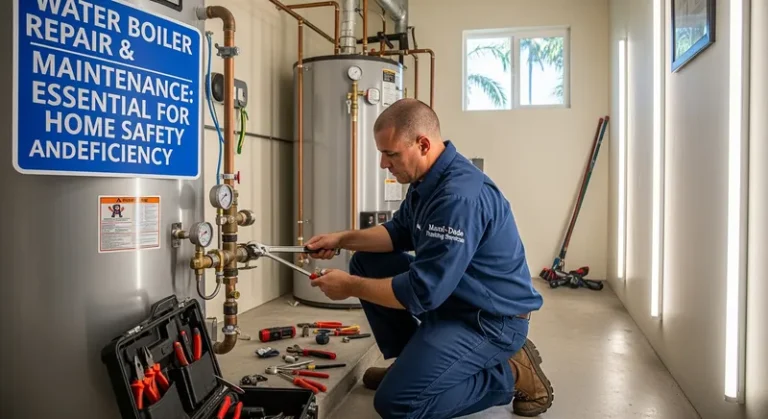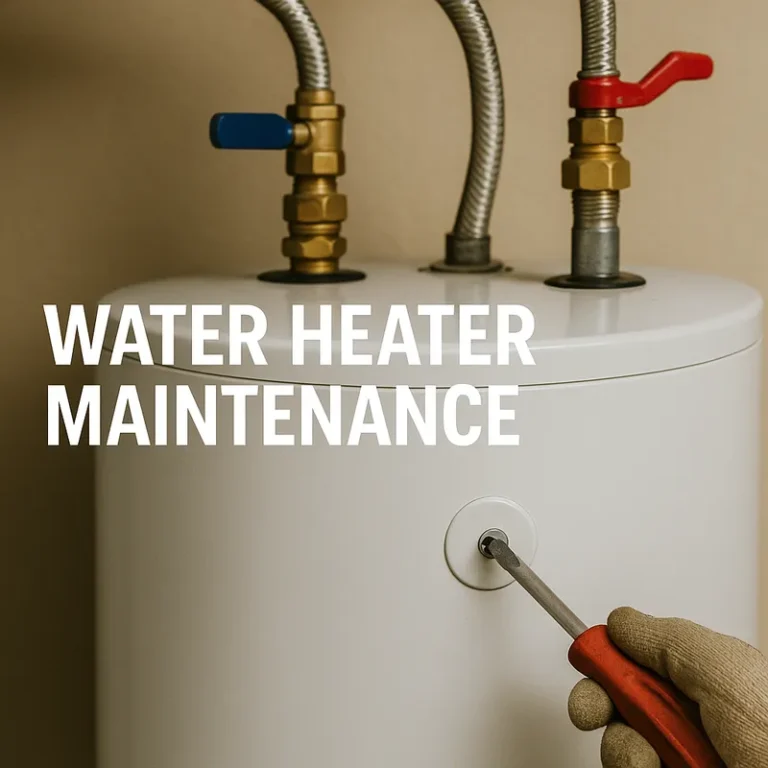

Preventing Plumbing Leaks in Your Home
Stop Plumbing Leaks Today
Leaking pipes can waste over 10,000 gallons of water annually and cause structural damage, driving up repair costs and stress. This maintenance guide delivers clear steps to help Miami-Dade homeowners detect, prevent and address plumbing leaks before they escalate. You will learn about common leak types and causes, practical prevention tactics—from insulation to pressure control—advanced detection technologies, challenges in older properties and when to enlist professional plumbing services. By following these essential tips, you improve system longevity, safeguard your property and enjoy lasting peace of mind.
Water Damage Statistics and Costs for Homeowners
An average household leak can waste up to 10,000 gallons of water per year, contributing to significant financial burdens for homeowners. The typical cost to restore water damage can range from $1,300 to $5,600, with average insurance payouts for water-related claims reaching $13,000.
This research directly supports the article’s opening statement about the substantial water waste caused byleaksand the high financial impact of water damage on properties.
What Are the Common Types and Causes of Plumbing Leaks?
Understanding how leaks originate and where they occur empowers homeowners to respond swiftly and avoid costly damage. Plumbing leaks encompass everything from barely noticeable drips to hidden slab breaches, each arising through distinct mechanisms and demanding tailored prevention strategies.
What Types of Plumbing Leaks Should Homeowners Watch For?
Plumbing leaks range from visible drips to concealed pipe failures, and recognising each type helps you apply the right remedy.
- Hidden leaks beneath floors or behind walls can saturate framing and promote mould growth before you see damp spots.
- Burst pipes result from sudden pressure spikes or corrosion and release large volumes of water in seconds.
- Slab leaks occur under concrete foundations when corrosion or shifting soil breaches supply lines.

Identifying these leak categories early reduces restoration time and expense, and strengthens your home’s resilience against water damage.
What Are the Main Causes of Plumbing Leaks in Miami-Dade Homes?
In South Florida’s environment, specific factors accelerate pipe deterioration and failures, making leak prevention critical.
| Cause | Mechanism | Impact |
|---|---|---|
| High Water Pressure | Excessive force strains joints and pipeline walls | Accelerated fitting failures |
| Corrosion | Chemical reactions degrade metal pipes over time | Pinholes and weakening of pipe walls |
| Old or Outdated Pipes | Aging materials become brittle and prone to fractures | Increased risk of cracks and bursts |
| Clogged Drains | Debris buildup raises internal pressure and causes backups | Joint leaks and stress fractures |
Each of these causes demands targeted maintenance—regulating pressure, replacing corroded sections or clearing blockages—to prevent leaks before they develop into emergencies.
How Can You Recognize the Signs of a Hidden Water Leak?
Early detection of concealed leaks hinges on noticing subtle clues that signal moisture intrusion beneath the surface.
- Unexpected spike in water bill indicates continuous, unseen water flow.
- Damp or discoloured patches on ceilings, walls or floors reveal moisture migration.
- Musty odours or mildew smell point to persistent wetness behind surfaces.
- The sound of running water when fixtures are off suggests a leak in transit.
By acting on these warning signs, you minimise water waste, avoid structural damage and maintain healthy indoor air quality.
What Are the Most Effective Plumbing Leak Prevention Tips?
Proactive strategies form the foundation of leak-free plumbing, combining routine checks with targeted upgrades to strengthen system integrity. Employing a consistent maintenance approach protects your home, reduces long-term costs and aligns with regional best practices in Miami-Dade County.
What Does a Comprehensive Plumbing Maintenance Checklist Include?
A detailed inspection checklist ensures every critical component is monitored and serviced before vulnerabilities emerge.
- Inspect visible pipes and fittings for signs of corrosion or moisture.
- Test water pressure to confirm it remains within the safe 40–60 psi range.
- Examine appliance hoses behind washers, dishwashers and refrigerators.
- Check water heater connections and tanks for leaks or rust.
- Run drain cleaning solutions or enlist professional snaking to clear blockages.
The Importance of Preventive Maintenance in Mitigating Plumbing Leaks
A comprehensive understanding of leak-related effects underscores the necessity of well-structured preventive maintenance programs. Studies involving inspections of branch pipes have revealed that a notable percentage can exhibit reduced wall thickness due to corrosion, indicating a high potential for futureleaksand emphasizing the importance of regular inspections and timely replacements.
This academic research directly supports the article’s emphasis on the importance of comprehensiveplumbing maintenanceand addresses common causes ofleakssuch as corrosion and aging pipes.
Completing these tasks quarterly enhances system reliability, helping you catch minor defects before they become major repairs.
How Does Pipe Insulation Help Prevent Plumbing Leaks?
Insulating exposed pipes controls temperature fluctuations and condensation, minimising stress on plumbing materials.
- Prevents thermal stress by reducing rapid expansion and contraction during cold snaps.
- Reduces condensation on cold water lines, lowering corrosion risk in humid climates.
- Maintains consistent water temperature, improving system efficiency and preventing freeze-related cracks.
Installing foam sleeves or heat tape in attics, crawl spaces and exterior walls enhances durability and stops moisture-driven pipe damage.
How Can Water Pressure Regulation Protect Your Plumbing System?
Maintaining correct water pressure avoids overloading joints and prevents premature wear on pipes and valves.
- Install a pressure regulator to stabilise incoming supply between 40 and 60 psi.
- Monitor pressure gauges periodically to detect gradual increases.
- Use a water softener in hard-water areas to limit mineral buildup that spikes pressure internally.
Balanced pressure guards against burst fittings, leaks at fixtures and damage to appliances reliant on stable flow.
Why Is Drain Cleaning Important for Leak Prevention?
Routine drain maintenance clears debris that can trap water and raise internal stress, potentially compromising pipes.
- Removes grease, hair and scale that accumulate at bends and trap moisture.
- Prevents backpressure that strains joints and sealing rings.
- Improves flow to limit corrosion-accelerating stagnation.
Keeping drains clear minimises clogs and shields pipelines from wear caused by repeated pressure surges.
How Often Should You Inspect Appliance Hoses and Plumbing Fixtures?
Regular examination of high-use connections prevents sudden failures and leaks from aging components.
- Monthly visual checks under sinks and behind appliances reveal early wear.
- Quarterly pressure tests on hoses confirm integrity.
- Replace hoses every 3–5 years, or at the first sign of cracking or bulging.
This routine practice stops small leaks from escalating and sustains safety around water-powered appliances.
How Can Advanced Leak Detection and Smart Home Technology Help Prevent Leaks?

Integrating modern diagnostics and automation boosts early leak identification and rapid response, eliminating hidden threats. Leveraging technology transforms reactive repairs into proactive protection for your Miami-Dade residence.
What Professional Leak Detection Services Are Available in Miami-Dade?
- Electronic leak detection pinpoints hidden water flow using acoustic sensors.
- Thermal imaging cameras reveal temperature anomalies from moisture intrusion.
- Sewer line cameras inspect underground pipes for cracks and displacement.
- Pressure testing evaluates system integrity under controlled conditions.
These methods deliver accurate findings, enabling targeted repairs that preserve finished surfaces and landscaping.
How Do Smart Water Leak Detectors and Automatic Shut-Off Systems Work?
Smart sensors monitor moisture and flow in real time, alerting homeowners and cutting off supply at the first sign of trouble.
- Wireless leak detectors placed near appliances and vulnerable pipes detect water presence.
- Central hub integration communicates alerts via smartphone apps or home automation platforms.
- Automatic shut-off valves activate instantly to isolate affected zones and halt further damage.
Homeowner Preparedness and the Effectiveness of Water Protection Systems
Despite the significant risk of non-weather-related water damage, many homeowners are often unprepared and unaware of effective solutions such as water sensors and automatic shut-off devices. Research indicates that homeowners are seven times more likely to sustain damage from a plumbing leak than a fire, yet fewer homes are equipped with water sensors compared to burglar alarms.
This study highlights the critical need for proactive measures and the adoption of smart home technology for leak prevention, aligning with the article’s recommendations for advanced leak detection systems.
This connected technology streamlines leak response, prevents flooding and protects valuable property with minimal human intervention.
What Are the Benefits of Early Leak Detection for Homeowners?
- Substantial cost savings by avoiding extensive repairs and water waste.
- Damage prevention that preserves structural elements, finishes and personal belongings.
- Reduced insurance claims and potential premium discounts for proactive risk management.
- Peace of mind knowing your home remains protected around the clock.
Early detection systems pay for themselves by limiting repair scope and upholding a dry, safe living environment.
How Do Plumbing Leaks Affect Older Homes and What Can Be Done?
Historic and older properties in Miami-Dade often incorporate original plumbing that faces unique risks, requiring specialised care to maintain performance. Investing in targeted upgrades preserves heritage features while securing reliable water delivery.
What Are Common Leak Issues in Historic Miami Properties?
Age and environmental factors combine to challenge vintage plumbing installations, demanding vigilant oversight.
- Pipe corrosion in original metal supply lines leads to pinhole leaks.
- Deteriorating fixtures with outdated seals and gaskets drip continuously.
- Foundation shifting cracks slab-embedded pipes, causing hidden breaches.
Recognising these local patterns directs strategic interventions that safeguard aged infrastructure and streamline ongoing maintenance.
When Should You Consider Repiping or Upgrading Old Plumbing Systems?
Repiping becomes essential when repairs fail to resolve chronic leaks or water quality declines.
- Frequent leaks in the same area despite multiple fixes.
- Rusty or discoloured water indicating advanced internal corrosion.
- Low flow or pressure fluctuations affecting household fixtures.
- Original pipes over 50 years old, approaching end of expected service life.
A full repipe with modern materials like PEX or copper ensures decades of reliable performance and reduces future leak risk.
How Can You Prevent Foundation Leaks Related to Plumbing?
- Seal pipe penetrations with waterproof compounds at slab entry points.
- Install and maintain sump pumps in crawl spaces to remove incidental moisture.
- Ensure proper gutter and grading to divert runoff away from foundation.
- Inspect slab-embedded lines periodically using thermal imaging or acoustic surveys.
These measures form a comprehensive defence against subsurface leaks and costly foundation repairs.
Why Choose Professional Plumbing Services for Leak Prevention in Miami-Dade?
While DIY maintenance covers routine care, expert plumbers bring specialised tools, local knowledge and rapid response capabilities to guarantee lasting protection. Professional services complement homeowner efforts and deliver deep insights into system health.
What Comprehensive Leak Prevention Services Do Local Plumbers Offer?
- Full system inspections to assess pipe condition and joint integrity.
- Pipe insulation and lagging for exposed lines in attics and crawl spaces.
- Water pressure testing and regulator installation to stabilise supply.
- Drain cleaning and hydro-jetting to remove scale and debris.
- Appliance hose and fixture evaluations to replace aging components.
- Targeted repiping or sectional repairs using advanced materials.
This suite of services enhances reliability, extends pipe lifespan and prevents unexpected failures.
How Does Advanced Leak Detection Technology Improve Service Quality?
- Acoustic leak detectors trace water flow in concealed spaces without demolition.
- Infrared cameras visualise thermal anomalies from moisture infiltration.
- Smart monitoring platforms record system performance trends for predictive maintenance.
- Digital reporting delivers detailed assessments and repair recommendations.
Employing these methods drives precision repairs, minimises disruption and elevates customer confidence.
What Emergency Leak Repair Options Are Available for Miami Homeowners?
- 24/7 emergency hotline ensures immediate technician dispatch.
- Pipe clamp installations provide quick stops to active leaks.
- Valve replacements isolate problem zones until full repairs occur.
- Temporary patch kits secure breaches in challenging locations.
Prompt intervention from qualified plumbers prevents water damage escalation and protects your investment.
How Can You Secure Your Home Against Plumbing Leaks Today?
Taking decisive action now locks in protection and eliminates uncertainty, keeping your home dry and costs under control. A structured appointment process and transparent pricing empower you to schedule essential services without delay.
How Do You Schedule a Plumbing Leak Prevention Service?
- Contact your local plumbing provider by phone or online request form.
- Provide property details and preferred appointment window.
- Receive confirmation of date, time and service scope.
- Prepare access to areas under sinks, in attics or crawl spaces.
This efficient process ensures you secure expert attention and prevent leaks before they become emergencies.
What Are the Typical Costs of Plumbing Leak Prevention Services in Miami?
Understanding service fees helps you budget for comprehensive maintenance and avoid surprise expenses.
- General inspection: $100–$200 for full-system evaluation.
- Pressure test & regulator install: $50–$150 plus regulator cost.
- Pipe insulation per line: $20–$50 depending on length and material.
- Hydro-jet drain cleaning: $150–$300 based on clog severity.
Transparent pricing illustrates the value of proactive care compared to the higher costs of emergency repairs and water damage restoration.
What Should You Expect During a Professional Plumbing Inspection?
- Technician examines visible pipes, fixtures and appliances for leaks.
- Pressure gauge readings verify stable supply levels.
- Advanced leak detection tools scan concealed lines non-invasively.
- Detailed service report outlines findings and recommended solutions.
- A clear cost estimate accompanies each repair or upgrade proposal.
This thorough assessment forms the basis for a customised maintenance plan that maximises leak prevention and system longevity.
Preventing plumbing leaks involves a combination of vigilant inspections, targeted upgrades and strategic use of technology. By following these essential tips—from routine maintenance checklists to advanced leak detection—and partnering with experienced local plumbers, you safeguard your Miami-Dade home against water damage, reduce utility bills and enjoy uninterrupted comfort. Act today to schedule a comprehensive leak prevention service and rest assured that your plumbing system is fully protected.
Frequently Asked Questions
What are the signs that indicate I may have a plumbing leak?
Common signs of a plumbing leak include an unexpected increase in your water bill, damp or discoloured patches on walls or ceilings, musty odours, and the sound of running water when no fixtures are in use. These indicators suggest that water is escaping from your plumbing system, often hidden from view. Addressing these signs promptly can help prevent further damage and costly repairs.
How can I prepare my home for potential plumbing leaks?
To prepare your home for potential plumbing leaks, start by conducting regular inspections of visible pipes and fixtures. Ensure that your water pressure is within the recommended range and consider installing smart leak detection devices. Additionally, keep a maintenance schedule for appliances and plumbing systems, and educate your family on how to shut off the water supply in case of an emergency. This proactive approach can significantly reduce the risk of severe water damage.
What should I do if I discover a leak?
If you discover a leak, the first step is to turn off the water supply to prevent further damage. Next, assess the situation to determine if it’s a minor issue you can handle or if it requires professional assistance. For significant leaks, contact a licensed plumber immediately. Document the damage for insurance purposes, and avoid using electrical appliances near the leak to ensure safety.
How can I choose the right plumbing service for leak prevention?
When selecting a plumbing service for leak prevention, consider their experience, customer reviews, and the range of services offered. Look for licensed and insured professionals who use advanced leak detection technology. Request quotes from multiple providers to compare pricing and services. A reputable plumber should also provide a detailed maintenance plan tailored to your home’s specific needs, ensuring comprehensive leak protection.
Are there any DIY methods for detecting plumbing leaks?
Yes, there are several DIY methods for detecting plumbing leaks. You can start by checking your water meter before and after a period of no water use; if the meter changes, you likely have a leak. Additionally, inspect visible pipes for signs of moisture or corrosion. Using food colouring in your toilet tank can help identify leaks in the flapper valve if the colour seeps into the bowl without flushing.
What are the long-term benefits of regular plumbing maintenance?
Regular plumbing maintenance offers numerous long-term benefits, including the prevention of costly repairs, improved water efficiency, and extended lifespan of plumbing systems. By identifying and addressing minor issues before they escalate, homeowners can save on water bills and avoid significant water damage. Additionally, routine maintenance enhances the overall safety and comfort of your home, ensuring that plumbing systems function optimally.
About Us
Expert Plumbers Miami-Dade County offer fast, reliable home services for plumbing installation or repair, HVAC and professional electrical services.
With extensive experience in handling common and complex issues or emergency service, our team saves you time and money, ensuring your home services are conducted with the utmost professionalism and efficiency.
DISCLAIMER This site is designed to assist homeowners in connecting with local home service contractors. All home service contractors are independent and this site does not warrant or guarantee any work performed. It is the responsibility of the homeowner to verify that the hired home service contractor furnishes the necessary license and insurance required for the work being performed. All persons depicted in a photo or video may be actors or models and not contractors listed on this site.