
Replacing Water Pressure Regulator
Top Water Pressure Regulator Services
Fluctuating water pressure can damage pipes, appliances and compromise home comfort, but a precise water pressure regulator (PRV) replacement restores safe and consistent flow. In this guide, you’ll discover what a PRV does, clear signs of failure, the professional replacement process, cost considerations in Miami-Dade County, preventative maintenance tips, reasons to trust our licensed plumbers and how to book your service. By the end, you’ll understand every step needed to protect your plumbing system and secure reliable water pressure.
What Is a Water Pressure Regulator and Why Is Replacement Important?
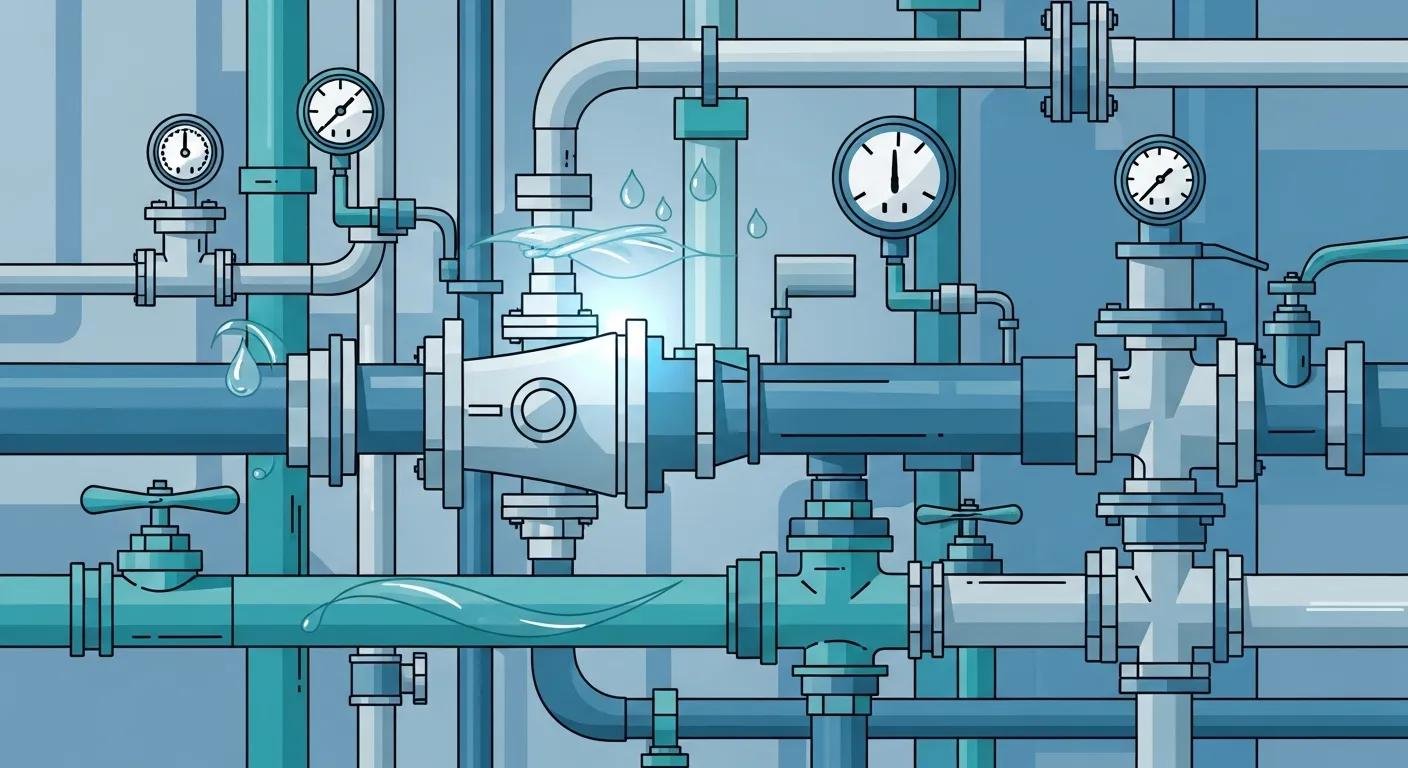
A water pressure regulator is a spring-loaded valve installed on the main supply line that reduces high municipal pressure to a safe level for household plumbing, preventing pipe bursts and appliance strain. Understanding this mechanism explains why timely replacement of a faulty regulator is essential for maintaining system integrity and prolonging fixture lifespan.
What Does a Water Pressure Regulator Do in Your Home Plumbing System?
A pressure reducing valve automatically throttles incoming water pressure, ensuring flow remains between 45 and 60 psi to protect pipes and appliances. By modulating excessive municipal pressure, it improves safety, prevents leaks and supports consistent performance throughout showers, faucets and irrigation systems.
The Critical Role of Water Pressure Regulators in Residential Plumbing Systems
Water pressure
regulators (PRVs) are vital components in residential plumbing, designed to reduce high incoming municipalwater pressureto a safe and consistent level, typically between 40-60 psi. Without a functioning PRV, excessivewater pressure, often exceeding 80 psi, can lead to significant plumbing issues such as pipe damage, water hammer, leaks, burst pipes, and a reduced lifespan for water-using appliances like dishwashers and water heaters.
This research directly supports the article’s explanation of what awater pressureregulator does, why its replacement is important, and the dangers associated with unusually highwater pressure.
Why Is Replacing a Faulty Water Pressure Regulator Essential?

Replacing a worn or stuck regulator restores proper pressure control to prevent pressure spikes that lead to pipe fatigue, joint leaks and appliance damage. Swift replacement enhances plumbing reliability, reduces repair costs and promotes water efficiency by eliminating uncontrolled surges.
Where Is the Water Pressure Regulator Located in Your Home?
Most regulators sit near the water meter or main shut-off valve on the incoming supply line, often in a utility room or basement. Locating this device at the entry point makes inspection, adjustment and replacement straightforward for professionals.
What Are the Common Signs of a Bad Water Pressure Regulator?
When a regulator malfunctions, homeowners may experience erratic water pressure, frequent leaks or loud pipe noises. Recognising these warning signs early enables prompt professional intervention and avoids costly plumbing damage.
How Does Fluctuating or Inconsistent Water Pressure Indicate PRV Issues?
Sudden shifts from strong to weak flow demonstrate a regulator diaphragm or spring failure, causing rapid pressure swings that interrupt daily routines. Addressing these fluctuations quickly prevents stress on seals and reduces leak risks.
What Are the Dangers of Unusually High Water Pressure?
Excessive pressure above 80 psi increases the likelihood of pipe bursts, joint failures and accelerated wear on washing machines or water heaters. Mitigating high pressure through replacement safeguards plumbing integrity and improves appliance lifespan.
How Can Low Water Pressure Signal a Failing PRV?
Consistently low flow throughout the home often results from a partially stuck regulator or internal obstruction, leaving showers and taps underperforming. Restoring correct pressure enhances user comfort and supports appliance efficiency.
What Is Water Hammer and How Is It Related to PRV Problems?
Water hammer manifests as loud banging or thumping in pipes when pressure spikes collide with closed valves, often due to an unregulated surge. A fully functional regulator dampens these pressure shocks to reduce noise and prevent pipe damage.
How Do Frequent Plumbing Leaks and Appliance Damage Connect to PRV Failure?
Leaks at fittings, dripping faucets or bearing damage in dishwashers and ice makers frequently trace back to prolonged over-pressure from a failing regulator. Timely replacement halts leak progression and preserves appliance warranties.
How Is a Water Pressure Regulator Professionally Replaced?
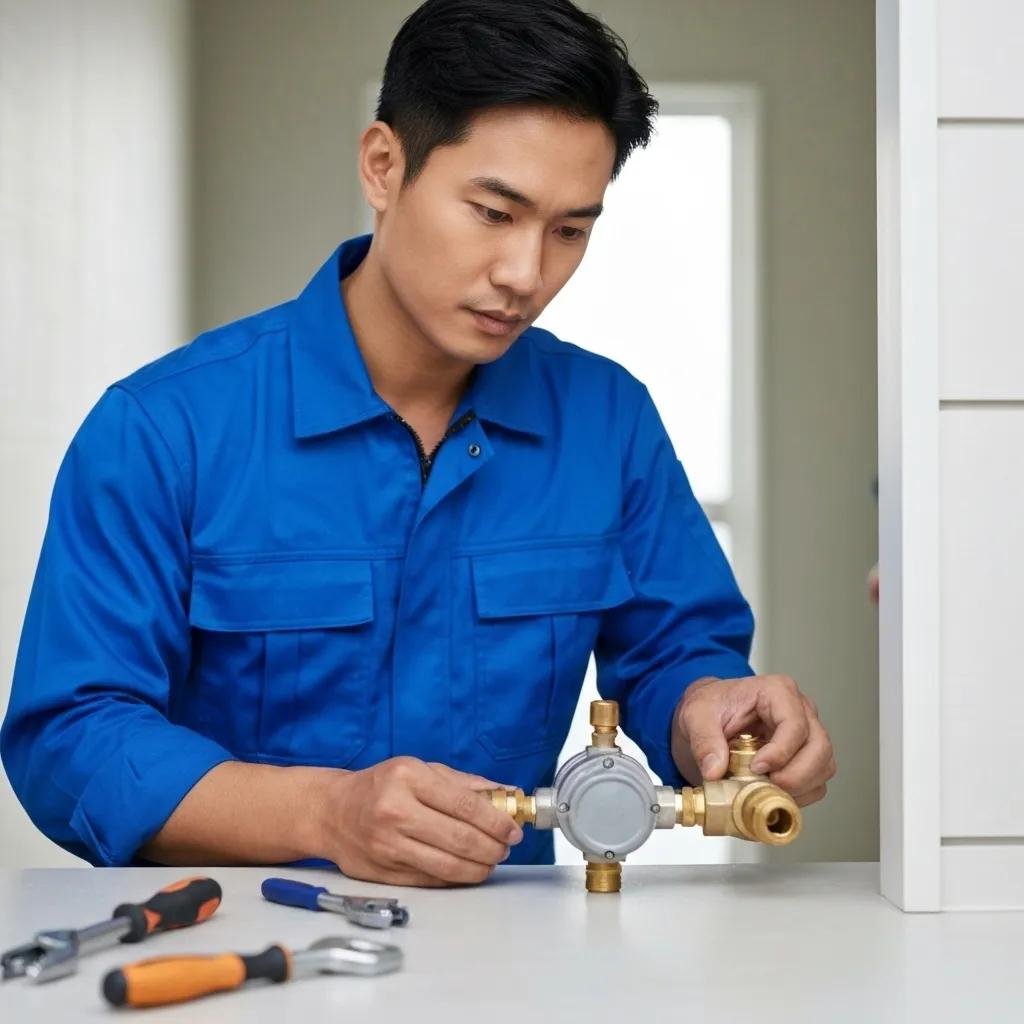
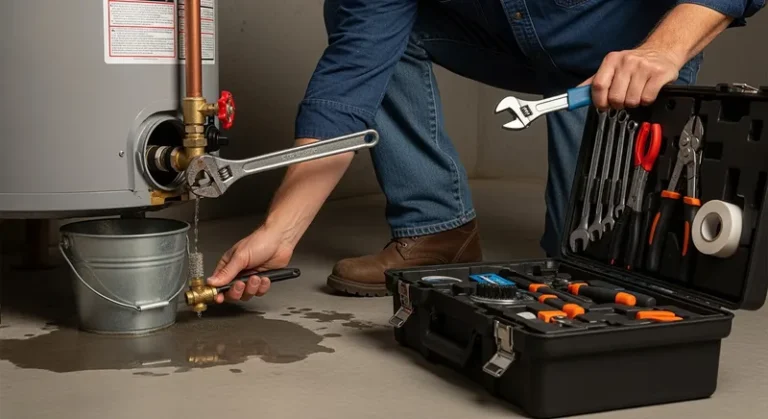
Professional replacement combines diagnostic testing, safe removal of the old unit and precise installation of a new PRV calibrated to local pressure standards. This structured approach ensures immediate reliability and long-term performance.
What Are the Steps for Diagnosing and Testing a Faulty PRV?
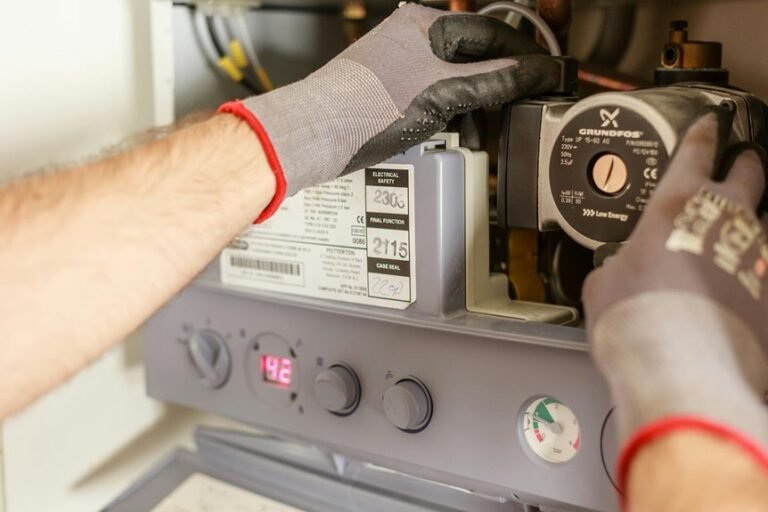
- Shut off the main supply and relieve system pressure using a test gauge.
- Connect a calibrated pressure gauge downstream and record static and dynamic pressures.
- Compare readings to the 45–60 psi optimal range and inspect for abnormal fluctuations.
- Identify internal leaks by monitoring gauge stability under flow conditions.
These diagnostic steps pinpoint regulator failures and guide accurate replacement planning.
How Do Licensed Plumbers Safely Remove and Install a New PRV?
- Isolate the water line at the shut-off valve and drain downstream piping.
- Loosen union connectors or cut out the old regulator assembly.
- Deburr pipe ends, apply thread sealant and position the new PRV in correct flow direction.
- Torque unions to manufacturer specifications and open supply slowly to pressurise the system.
By adhering to safety protocols and manufacturer guidelines, certified plumbers promote leak-free installations and code compliance.
What Post-Replacement Testing and Adjustments Are Necessary?
After installation, plumbers adjust the regulator’s control screw while monitoring the downstream gauge to achieve the target pressure range. A final inspection for leaks and flow stability completes the process, ensuring the new valve functions reliably under varying water demand.
What Is the Water Pressure Regulator Replacement Cost in Miami-Dade County?
Replacement costs depend on part quality, labour rates and job complexity, ranging broadly from $200 to $700 for typical residential installations. Understanding cost drivers helps homeowners budget effectively and select the best service option.
| Service Component | Estimated Cost Range | Description |
|---|---|---|
| Pressure Regulator | $75 – $250 | Quality valve from trusted brands like Watts or Wilkins |
| Labour and Diagnostics | $100 – $350 | Inspection, removal and installation by licensed plumber |
| Emergency Fees | $50 – $100 | After-hours or same-day service premiums |
What Factors Affect the Cost of PRV Replacement?
- Part brand and pressure rating
- Accessibility and piping complexity
- Local labour rates and licensing requirements
- Emergency or after-hours service options
These factors combine to determine the final investment for a dependable replacement.
What Is the Average Price Range for PRV Replacement in South Florida?
Most homeowners in Miami-Dade pay between $300 and $550 for a complete PRV replacement, including premium parts and professional installation that meets county plumbing codes. This investment delivers consistent, safe water pressure and minimises future repair expenses.
Why Is Professional Service Worth the Investment?
Licensed plumbers ensure code-compliant installations, warranty-backed parts and precise calibration. Their expertise prevents incorrect adjustments that can cause repeat failures and protects the homeowner from liability associated with DIY errors.
Miami-Dade County Water Pressure Regulator Replacement Costs
Routine PRV inspections and timely replacements support uninterrupted water flow and prolong valve lifespan, reducing the likelihood of sudden failures and unplanned repairs.
How Often Should You Inspect or Replace Your Water Pressure Regulator?
Most regulators last 10–15 years, though South Florida’s mineral-rich water may shorten service life to 7–10 years. Annual inspections detect wear early, enabling budgeted replacements before emergencies occur.
Factors Affecting Water Pressure Regulator Lifespan and Plumbing System Durability
The typical lifespan of a residentialwater pressureregulator is generally between 10 to 15 years, although this can vary from 5 to 25 years based on the quality of the device and environmental conditions. Furthermore, hard water, characterized by high mineral content, significantly impacts the longevity of PRVs and overall plumbing systems by contributing to scale buildup, corrosion, and premature wear on pipes, fixtures, and appliances.
This information supports the article’s claims regarding the expected lifespan ofwater pressureregulators and how local water quality, specifically hard water, can affect their durability and the need for timely replacement.
What Local Miami-Dade Plumbing Codes Affect PRV Installation and Maintenance?
Miami-Dade County mandates adjustable regulators on all new meter installations and requires valves set between 50 psi and 75 psi downstream. Compliance with these codes ensures safety, avoids fines and supports property resale standards.
How Does Water Quality in South Florida Impact PRV Longevity?
High mineral content and sediment contribute to diaphragm wear and internal corrosion. Installing upstream sediment filters and scheduling valve maintenance every 12 months enhances PRV durability and ensures reliable performance.
Why Choose Our Miami-Dade Plumbers for Your Water Pressure Regulator Replacement?
Our team combines deep local expertise, 24/7 emergency readiness and transparent pricing to deliver exceptional PRV replacement services across Miami-Dade County.
What Makes Our Licensed Plumbers the Best Choice for PRV Services?
All technicians hold state plumbing licenses, undergo ongoing training in advanced valve technologies and adhere to strict safety protocols. This professional commitment guarantees accurate installations and long-lasting results.
How Does Our 24/7 Emergency Service Support Urgent Water Pressure Repairs?
Around-the-clock availability allows immediate response to regulator failures that threaten property and comfort. Rapid deployment and expedited repairs minimise downtime and restore stable water pressure without delay.
What Customer Satisfaction Guarantees Do We Offer?
We back every PRV replacement with a 100% satisfaction promise, including leak-free performance and pressure stability warranties. Clear pricing and post-service follow-up ensure homeowners receive reliable, transparent support.
Frequently Asked Questions
What Maintenance Should I Perform on My Water Pressure Regulator?
Regular maintenance of your water pressure regulator includes annual inspections to check for signs of wear, leaks, or corrosion. It’s also advisable to monitor the pressure readings using a gauge to ensure they remain within the optimal range of 45-60 psi. If you notice any fluctuations or irregularities, consult a licensed plumber for a thorough evaluation. Additionally, consider flushing your plumbing system periodically to remove sediment buildup, which can affect the regulator’s performance and longevity.
Can High Water Pressure Affect My Home's Plumbing System?
Yes, high water pressure can significantly impact your home’s plumbing system. When pressure exceeds 80 psi, it can lead to pipe bursts, leaks, and damage to appliances such as dishwashers and washing machines. Over time, excessive pressure can cause wear and tear on joints and fittings, leading to costly repairs. Installing a water pressure regulator helps maintain safe pressure levels, protecting your plumbing system and extending the lifespan of your fixtures and appliances.
What Should I Do If I Experience Water Pressure Issues After Replacement?
If you experience water pressure issues after replacing your water pressure regulator, first check for any visible leaks or signs of damage. Ensure that the new regulator is properly calibrated and set to the correct pressure range. If problems persist, contact your plumber for a follow-up inspection. They can assess whether the installation was performed correctly and if any additional adjustments or repairs are necessary to restore optimal water pressure.
Are There Any DIY Tips for Troubleshooting Water Pressure Problems?
While professional assistance is recommended for significant issues, you can perform some basic troubleshooting. Start by checking your home’s main shut-off valve to ensure it is fully open. Inspect faucets and fixtures for clogs or sediment buildup, which can restrict flow. Additionally, test the pressure at various points in your home using a pressure gauge. If you notice consistent issues across multiple fixtures, it may indicate a problem with the water pressure regulator or the municipal supply.
How Can I Tell If My Water Pressure Regulator Needs Replacement?
Signs that your water pressure regulator may need replacement include fluctuating water pressure, persistent leaks, or unusual noises from your plumbing system, such as banging or thumping. If you notice that your water pressure consistently exceeds 80 psi or falls below 40 psi, it may indicate a malfunctioning regulator. Regular inspections and monitoring can help identify these issues early, allowing for timely replacement and preventing further damage to your plumbing system.
What Are the Benefits of Hiring a Professional for PRV Replacement?
Hiring a professional for water pressure regulator replacement ensures that the job is done correctly and safely. Licensed plumbers have the expertise to diagnose issues accurately, select the right parts, and perform installations that comply with local plumbing codes. They also provide warranties on their work, offering peace of mind. Additionally, professionals can identify potential problems that may not be immediately visible, helping to prevent future plumbing issues and costly repairs.
How Do I Know If My Water Pressure Regulator Is Bad?
You may notice sudden pressure fluctuations, values outside the 45–60 psi range, banging pipe noises or dripping fixtures—signs of diaphragm damage or spring fatigue that require professional testing.
Can I Replace a Water Pressure Regulator Myself?
No, DIY replacement risks improper calibration, water damage and code violations; licensed plumbers ensure correct alignment, seal integrity and compliance with Miami-Dade County regulations.
How Long Does a Water Pressure Regulator Last?
A quality PRV typically endures 10–15 years, though local water hardness and debris can reduce lifespan to 7–10 years, making regular inspections essential for timely replacement.
What Are the Signs of Water Pressure Problems in Miami Homes?
Key indicators include erratic flow, consistently high or low pressure, water hammer noise and frequent leaks—all pointing to regulator issues or sediment buildup that require professional evaluation.
How Much Does It Cost to Replace a Water Pressure Regulator?
Expect $200–$700 total, depending on valve brand, labour complexity and whether emergency or after-hours service is needed; transparent estimates help homeowners plan for quality replacements.
How to Schedule Your Water Pressure Regulator Replacement Service in Miami-Dade County
Booking a professional PRV replacement is simple and ensures fast restoration of safe water pressure for your home.
What Are the Easy Steps to Book a Professional PRV Replacement?
- Contact our 24/7 scheduling line with your address and preferred appointment slot.
- Receive an upfront estimate based on your regulator type and access conditions.
- Confirm the booking and technicians will arrive on time with all necessary equipment.
These steps streamline the service process and deliver a hassle-free experience.
How Can You Get a Free Quote for Water Pressure Regulator Services?
Provide basic property details via our online form or phone line to receive a no-obligation estimate. Our transparent pricing model outlines parts, labour and any additional fees.
What Should You Expect During Your Service Appointment?
A licensed plumber will inspect system pressure, explain findings, shut off the main line, perform the replacement, adjust the new valve to optimal settings and verify leak-free operation before completing the job.
Trust our team to handle every detail efficiently and restore consistent water pressure.
Installing a reliable water pressure regulator today prevents tomorrow’s plumbing emergencies. Contact us to secure professional replacement, safeguard your system and enjoy peace of mind under Miami-Dade’s most trusted plumbing experts.
About Us
Expert Plumbers Miami-Dade County offer fast, reliable home services for plumbing installation or repair, HVAC and professional electrical services.
With extensive experience in handling common and complex issues or emergency service, our team saves you time and money, ensuring your home services are conducted with the utmost professionalism and efficiency.
DISCLAIMERThis site is designed to assist homeowners in connecting with local home service contractors. All home service contractors are independent and this site does not warrant or guarantee any work performed. It is the responsibility of the homeowner to verify that the hired home service contractor furnishes the necessary license and insurance required for the work being performed. All persons depicted in a photo or video may be actors or models and not contractors listed on this site.