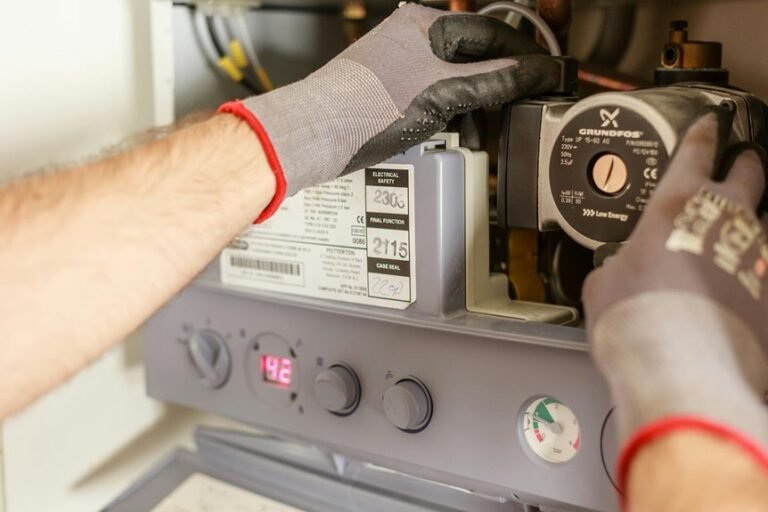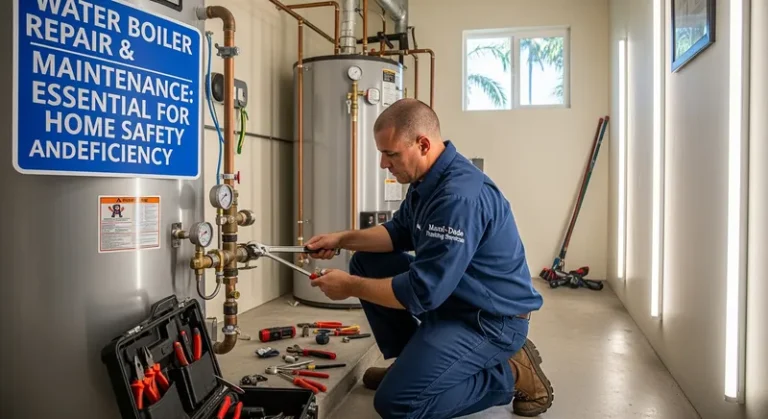
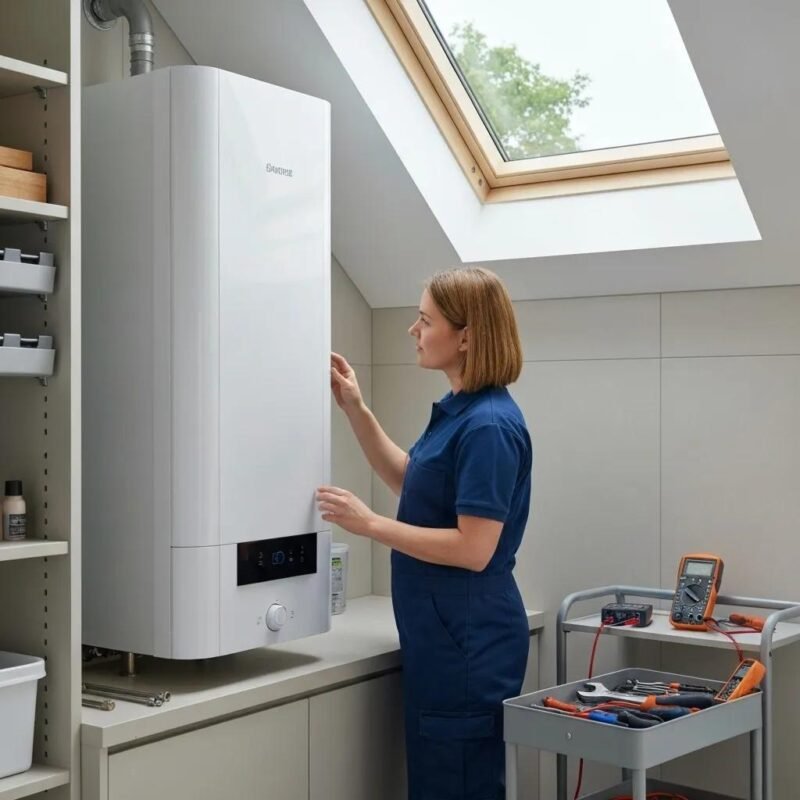

Extending the Life of Your Water Heater
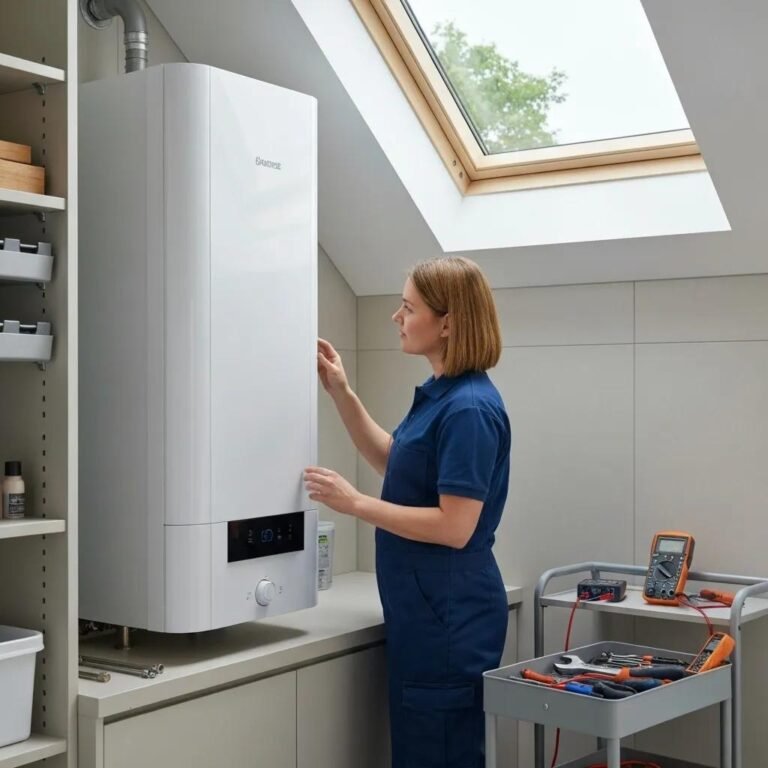
How Expert Maintenance Extends Your Water Heater’s Lifespan
Neglecting routine maintenance can shorten a water heater’s lifespan by up to 40% and drive energy bills sky-high. In this guide, you’ll discover how expert water heater maintenance preserves efficiency, prevents breakdowns, and saves homeowners in Miami-Dade County thousands in replacement costs. We’ll explain why regular servicing matters, show you how to perform a sediment flush, demystify the anode rod’s role, explore expansion tank benefits, troubleshoot common faults, compare tank versus tankless systems, address local water quality impacts, share energy-saving settings, and reveal when calling certified plumbers delivers the greatest return on your investment.
Why Is Regular Water Heater Maintenance Essential for Longevity?
Routine maintenance keeps your water heater operating near peak performance by preventing corrosion, reducing sediment buildup, and balancing pressure. By scheduling annual check-ups, you protect internal components, maintain optimal heat transfer, and avoid premature failures. This foundational care sets the stage for every lifespan-extending strategy covered below.
What Are the Key Benefits of Routine Water Heater Maintenance?
Regular servicing delivers clear, measurable advantages:
- Extended Lifespan – Annual inspections and cleaning can add 3–5 years to a traditional tank unit.
- Improved Efficiency – Removing sediment and verifying thermostat settings maintains energy conversion rates above 90%.
- Cost Savings – Preventing leaks and scale buildup reduces repair bills and energy costs by up to 15%.
- Safer Operation – Testing pressure relief valves and expansion tanks mitigates rupture or scald risks.

By protecting critical parts and ensuring proper calibration, homeowners avoid urgent replacements and enjoy reliable hot water delivery.
How Does Sediment Buildup Affect Your Water Heater’s Performance?
Sediment forms when dissolved minerals in hard water settle at the tank’s bottom, creating an insulating layer that impedes heat transfer. This forces heating elements or gas burners to work harder, increasing energy use and accelerating corrosion. As limescale accumulates, tank walls can weaken and leaks become more likely, cutting service life dramatically.
When Should Miami-Dade Homeowners Schedule Water Heater Maintenance?
Miami-Dade’s moderately hard water makes annual maintenance the baseline, with households on well systems or high-usage families benefiting from twice-yearly service. Most experts recommend:
| Maintenance Interval | Water Hardness Level | Household Size |
|---|---|---|
| Every 6 months | Hard (>180 ppm) | 5+ occupants |
| Annually | Moderate (120–180 ppm) | 3–5 occupants |
| Every 2 years | Soft (<120 ppm) | 1–2 occupants |
Scheduling visits in spring and fall aligns with peak usage cycles and leverages mild weather for quicker, safer servicing.
How to Perform a Water Heater Sediment Flush to Improve Efficiency
Flushing removes mineral deposits from the tank, restoring heat exchange efficiency and reducing corrosion risk. A proper flush also clears debris from drain lines and reveals potential leaks before they worsen, directly boosting reliability and lowering energy bills.
What Is Water Heater Flushing and Why Is It Important?
A water heater flush involves draining the tank to remove accumulated sediment and mineral scale. By purging these deposits, the system regains optimal heat transfer and avoids the overheating that damages internal components and shortens overall lifespan.
How Often Should You Flush Your Water Heater in Hard Water Areas?
For local homes dealing with elevated mineral content, more frequent flushing is key:
| Scenario | Frequency | Benefit |
|---|---|---|
| Municipal Hard Water | Every 6 months | Prevents scale that reduces efficiency |
| Well Water with High TDS | Quarterly | Minimizes abrasive sediment wear |
| Softened or Filtered | Annually | Maintains routine system health |
Adjust intervals based on visible signs of cloudiness at fixtures or noisy operation that signals sediment activity.
What Are the Step-by-Step Instructions for Flushing Your Water Heater Safely?
Before draining, turn off power at the breaker or shut the gas valve. Then follow these steps:
- Shut Off Supply – Close cold-water inlet valve to stop fresh water flow.
- Relieve Pressure – Open a hot tap at a sink to vent internal pressure.
- Attach Hose – Connect a garden hose to the drain valve at tank base and route water to a safe drain.
- Open Drain Valve – Fully open the valve and allow tank water and sediment to discharge until clear.
- Flush with Cold Water – Briefly reopen inlet valve to stir loose particles, then let them drain.
- Close Valve and Refill – Shut the drain, remove hose, refill tank by opening the inlet valve, and watch for air vents to close.
- Restore Power or Gas – Once the tank is full, switch on the breaker or gas supply and relight the pilot if needed.
Following these precautions ensures a clean flush without water damage or scald hazards.
When Should You Call a Professional for Water Heater Flushing?
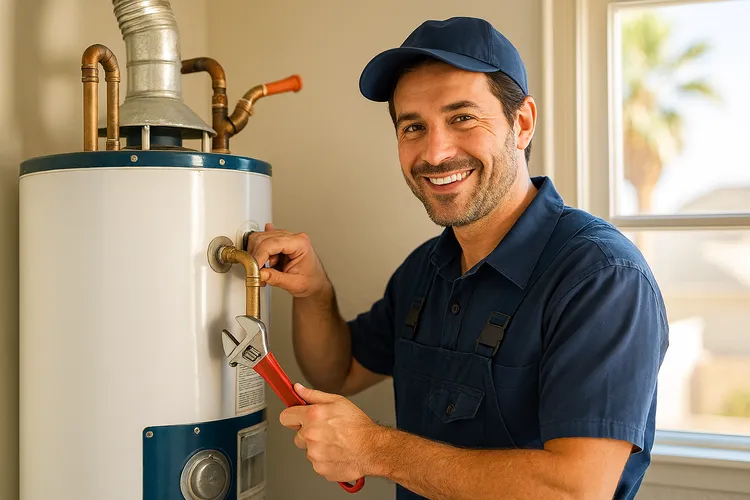
Engage certified plumbers when you encounter:
- Clogged Drain Valve – Difficulty draining indicates scale-filled ports requiring expert clearing.
- Visible Leaks – Any seepage around valves or fittings suggests compromised seals best handled by trained technicians.
- Complex Systems – Multi-unit boilers or integrated HVAC setups demand specialized tools and safety procedures.
Our team at Plumbers Miami-Dade County provides full-service flush solutions that adhere to local codes and protect your system integrity.
What Is the Role of the Water Heater Anode Rod in Preventing Corrosion?
An anode rod is a sacrificial magnesium or aluminum component that attracts corrosive ions in water, sparing the tank’s steel lining.
Understanding Water Heater Anode Rods
Anode rods, often referred to as “sacrificial anodes” and typically made from aluminum, magnesium, or zinc, are crucial components designed to prevent rust and corrosion in water heatertanks. They protect the tank by attracting corrosive elements through a process known as galvanic corrosion, thereby extending the water heater‘s lifespan.
This information verifies the article’s explanation of how anode rods function to protect the water heatertank from corrosion and contribute to its longevity.
How Does the Anode Rod Protect Your Water Heater Tank?
When immersed in water, the rod undergoes oxidation, drawing corrosive elements away from the tank walls. This electrochemical shield prevents pitting and leaks, ensuring the pressure vessel remains intact far longer than without a rod in place.
When and How Should You Replace the Anode Rod?
Most rods last 3–5 years, but local water chemistry accelerates depletion. Check annually by removing the inspection nut, withdrawing the rod, and examining for heavy corrosion or thinning. Replacement steps include:
- Power Down & Drain – Turn off power and drain a few gallons.
- Remove Old Rod – Use a 1 1/16″ hex socket to unscrew the rod from the top fitting.
- Install New Rod – Hand-tighten the new rod, ensuring proper wrap with plumber’s tape for a leak-free seal.
- Refill and Energize – Refill the tank and restore power or relight the pilot.
What Types of Anode Rods Are Best for Miami-Dade Water Conditions?
Given moderate-to-high hardness and occasional chlorides, consider:
- Magnesium Rod – Offers strong corrosion protection in softer water but depletes faster in hard water.
- Aluminum/Zinc Rod – Resists chloride attack better, suited to well systems but slightly less cathodic protection.
- Powered Anode – An electronic alternative that delivers continuous protection without periodic replacement, ideal for hard-water homes seeking low maintenance.
Selecting the right rod material balances protection, longevity, and maintenance intervals.
How Does a Water Heater Expansion Tank Extend Your Water Heater’s Life?
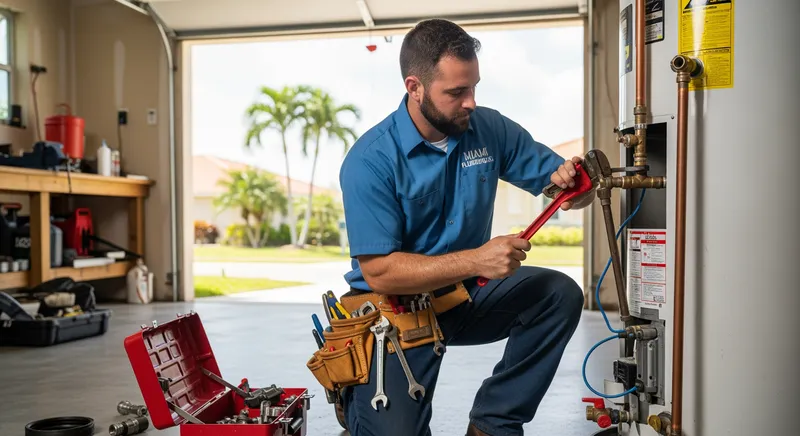
An expansion tank is a small auxiliary vessel that absorbs excess pressure from thermal expansion. By giving heated water space to expand, it protects internal components and the plumbing network from overpressure stress that leads to leaks and premature failures.
What Is a Water Heater Expansion Tank and How Does It Work?
Installed on the cold-water supply line, the expansion tank contains an air–sealed chamber separated by a diaphragm from the water chamber. As water heats and expands, it enters the tank, compressing the air cushion and preventing a pressure spike that could damage valves, fittings, or the heater itself.
Why Is an Expansion Tank Crucial for Closed Plumbing Systems?
Modern homes feature backflow preventers and check valves that create closed loops. Without an expansion tank, each heat cycle raises pressure inside the sealed system, straining relief valves and pipe joints. The tank ensures safe pressure regulation and avoids repeated valve drips or burst connections.
How Do You Know If Your Expansion Tank Needs Repair or Replacement?
Signs that an expansion tank is failing include:
- Constant Dripping from T&P Valve – Indicates pressure relief due to no expansion buffer.
- No Water in Tank – A waterlogged tank with no air cushion can no longer absorb pressure.
- Visible Rust or Leaks – Corrosion on the tank body or fittings threatens integrity and calls for immediate replacement.
Addressing these symptoms with a professional inspection prevents systemic damage.
What Are Common Water Heater Problems and How Can They Be Resolved?
Recognizing early warning signs stops issues before they become major breakdowns. Timely intervention also ensures that routine maintenance remains effective.
How to Identify Signs of a Failing Water Heater?
Watch for these clear indicators:
- Leaks or Puddles under the tank, signaling corrosion or loose fittings.
- Strange Noises such as rumbling or banging, caused by heavy sediment interacting with heating elements.
- Discolored or Rusty Water, pointing to internal corrosion or failing anode protection.
Early detection allows inexpensive fixes rather than premature replacements.
What Are the Most Frequent Causes of Water Heater Malfunctions?
The top three culprits are:
- Sediment Buildup – Reduces heating efficiency and accelerates element failure.
- Thermostat or Heating Element Faults – Incorrect temperature regulation or burned-out elements lead to inconsistent hot water.
- Pressure Relief Valve Issues – Blockage or corrosion may prevent proper pressure discharge, risking tank rupture.
Combining flushing, anode rod checks, and valve testing solves most common faults.
When Is It Time to Call a Professional for Water Heater Repair?
Schedule expert service when you encounter:
- Persistent Leaks around fittings, indicating tank breach.
- No Hot Water or Overheating despite power cycling, suggesting electrical or gas control failures.
- Pressure Relief Valve Triggers often, pointing to closed-system expansion issues.
Our certified plumbers diagnose complex malfunctions and restore safe, efficient operation.
How to Choose the Right Water Heater for Miami-Dade Homes to Maximize Lifespan
Selecting the optimal unit and fuel source aligns performance with local water chemistry and household needs, reducing maintenance demands and extending service life.
What Are the Differences Between Tank and Tankless Water Heaters?
| Feature | Tank Water Heater | Tankless Water Heater |
|---|---|---|
| Lifespan | 8–12 years | 20–25 years |
| Energy Consumption | Standby heat loss | On-demand heating |
| Maintenance Needs | Annual flushing & rod checks | Filter cleaning & scale flush every 1–3 years |
| Flow Rate | Limited by tank capacity | Continuous hot water supply |
How Do Gas and Electric Water Heaters Compare in Efficiency and Durability?
Gas units heat faster and recover quickly after heavy use but depend on venting and may corrode flues over time. Electric models offer simpler installation, fewer moving parts, and no combustion by-products, leading to longer heating element life if sediment is controlled. Both types last longer with proper flushing and rod replacements.
What Size and Features Should You Consider for Your Miami-Dade Home?
Key selection criteria include:
- Household Demand – Estimate peak simultaneous usage (showers, dishwashers) and choose a tankless flow rate or tank capacity accordingly.
- Local Water Hardness – Hard water requires larger anode rods or electronic anode systems and more frequent flushing.
- Energy-Efficiency Ratings – Look for Energy Star labels and high first-hour delivery or thermal efficiency percentages.
- Built-In Safety – Opt for models with integrated expansion tanks, pressure relief valves, and leak detection features.
Balancing these factors minimizes downtime and maximizes operational life.
How Does Water Quality Impact Your Water Heater’s Longevity and Performance?
Water composition drives scale formation, corrosion rates, and maintenance frequency. Understanding local water chemistry is critical for customized care plans that preserve heater integrity.
Impacts of Water Quality on Residential Water Heating Equipment
A report commissioned by the U.S. Department of Energy highlights that local water quality significantly influences the long-term performance and longevity of residential water heating equipment. It notes that highly alkaline water leads to scale accumulation, which can decrease efficiency and equipment life, while soft water increases the risk of corrosion.
This research directly supports the article’s discussion on how water quality, including hardness and corrosiveness, impacts a water heater‘s lifespan and performance, and the importance of tailored maintenance.
What Effects Does Hard Water Have on Water Heater Components?
Hard water’s calcium and magnesium minerals precipitate as scale on heat exchangers, reducing heat transfer by up to 20% and accelerating anode rod depletion. In severe cases, blocked valves and shortened element life result, leading to higher energy costs and untimely failures.
How Can Water Softeners and Filtration Systems Protect Your Water Heater?
Installing a water softener ahead of the heater exchange removes hardness ions, preventing scale formation. Point-of-entry filters capture sediments and chlorine compounds that corrode internal parts. Together, these systems reduce flush frequency and extend component life.
What Maintenance Adjustments Are Needed for Miami-Dade’s Water Quality?
In local conditions, combine:
- Bi-Annual Flushing to clear moderate scale in softened or filtered systems.
- Annual Anode Rod Inspections for early corrosion detection in treated water.
- Regular Filter Replacements every 6–12 months to maintain flow and protect heating elements.
Tailoring schedules to actual water test results optimizes both cost and system longevity.
What Energy Efficiency Tips Help Extend Your Water Heater’s Life and Lower Bills?
Small operational changes yield big savings and reduce wear on heating elements and tank insulation, further preserving the unit’s service life.
How Does Lowering the Thermostat Improve Water Heater Lifespan?
Reducing the set temperature from 60 °C to 50 °C cuts standby heat loss by over 10%, lessens thermal stress on tank materials, and slows corrosion rates. Consistent, moderate temperatures also prevent scald risks while delivering sufficient hot water for most tasks.
Energy Efficiency Tips for Water Heaters
The U.S. Department of Energy recommends setting water heaterthermostats to 120°F (49°C) for a balance of safety and efficiency, as default settings are often higher. Additionally, insulating the water heatertank can reduce standby heat loss by 25% to 45%, leading to 7% to 16% savings in water heating costs.
This directly supports the article’s energy-saving recommendations regarding optimal thermostat settings and the benefits of insulating the water heaterto improve efficiency and extend its life.
Why Is Insulating Your Water Heater Important?
A quality blanket or jacket retains heat, reducing the heating cycle frequency. With better insulation, the system experiences fewer on/off cycles, decreasing wear on thermostats, elements, and gas controls.
How Can Vacation Mode and Other Settings Reduce Wear and Tear?
Switching to vacation or eco mode pauses standard heating cycles during extended absences. Some modern units feature scheduling controls that heat water only during high-usage windows, minimizing operating hours and extending component life.
When Should You Call Professional Water Heater Services in Miami-Dade County?
Engaging certified technicians at the right intervals safeguards your investment, prevents avoidable damage, and ensures compliance with local codes.
What Maintenance Tasks Are Best Left to Certified Plumbers?
Complex or safety-critical jobs include:
- Pressure Relief Valve Replacement – Proper calibration and leak-proof installation.
- Anode Rod Installation – Correct rod choice, sealing, and torque specifications.
- Expansion Tank Servicing – Pre-charge pressure checks and secure mounting.
- Gas Burner or Control Valve Repairs – Ensuring safe ignition sequences and venting.
How Do Professional Services Prevent Premature Water Heater Replacement?
Expert inspections detect small leaks, corrosion pits, or valve failures before they escalate. By addressing root causes—such as high chloride content or improper venting—plumbers save you the cost of full tank replacement and deliver reliable operation for years beyond typical lifespans.
How to Schedule Reliable Water Heater Maintenance and Repair in Miami-Dade?
Contact Plumbers Miami-Dade County to arrange customized service plans that match your household’s usage and local water conditions. Our technicians arrive promptly, conduct thorough inspections, perform all critical maintenance tasks, and provide clear recommendations to keep your water heater delivering hot water efficiently for as long as possible.
Extending the life of your water heater delivers peace of mind, stable energy bills, and fewer emergency service calls. By combining regular flushing, anode rod checks, expansion tank care, targeted repairs, and informed equipment choices, you protect one of your home’s most essential appliances. Trust local experts for professional maintenance that preserves performance and maximizes lifespan.
Frequently Asked Questions
What are the signs that my water heater needs maintenance?
Common signs that your water heater requires maintenance include unusual noises such as rumbling or banging, which may indicate sediment buildup. Additionally, if you notice discoloured or rusty water, it could signal internal corrosion. Leaks or puddles around the base of the heater are also red flags that should prompt immediate attention. Regular inspections can help catch these issues early, preventing costly repairs or replacements down the line.
How can I improve the energy efficiency of my water heater?
Improving your water heater‘s energy efficiency can be achieved through several simple adjustments. Lowering the thermostat to around 50°C (120°F) can significantly reduce standby heat loss. Insulating the tank and pipes helps retain heat, further decreasing energy consumption. Additionally, using a timer or vacation mode can prevent unnecessary heating during periods of low usage. Regular maintenance, such as flushing the tank and checking the anode rod, also contributes to optimal efficiency.
What should I do if my water heater is leaking?
If you discover a leak in your water heater, it’s crucial to act quickly. First, turn off the power supply to the unit and shut off the cold water supply to prevent further flooding. Assess the source of the leak; it may be from a loose fitting or a more serious issue like tank corrosion. If the leak persists or is significant, contact a certified plumber immediately to evaluate and repair the problem, as continued leaks can lead to extensive water damage.
How can water quality affect my water heater's performance?
Water quality plays a significant role in the performance and longevity of your water heater. Hard water, which contains high levels of minerals like calcium and magnesium, can lead to sediment buildup and scale formation, reducing heating efficiency and increasing energy costs. Conversely, soft water can accelerate corrosion. Regular maintenance, including flushing and anode rod inspections, is essential to mitigate these effects and ensure your water heater operates efficiently.
What are the benefits of installing a water softener for my water heater?
Installing a water softener can greatly benefit your water heater by reducing the hardness of the water entering the system. This helps prevent scale buildup on heating elements and inside the tank, which can improve efficiency and extend the lifespan of the unit. Additionally, softer water can reduce the frequency of maintenance tasks, such as flushing and anode rod replacements, ultimately saving you time and money in the long run.
How often should I check the anode rod in my water heater?
It is recommended to check the anode rod in your water heater at least once a year. The anode rod is crucial for preventing corrosion within the tank, and its lifespan can vary based on water quality and usage. If you notice significant corrosion or thinning of the rod, it should be replaced immediately to ensure continued protection for your water heater. Regular inspections can help you catch issues early and maintain optimal performance.
What are the advantages of hiring a professional for water heater maintenance?
Hiring a professional for water heater maintenance offers several advantages, including expertise in identifying potential issues that may not be visible to the untrained eye. Professionals can perform thorough inspections, ensuring that all components, such as the pressure relief valve and anode rod, are functioning correctly. They also have the tools and knowledge to handle complex repairs safely, which can prevent costly damage and extend the lifespan of your water heater.
About Us
Expert Plumbers Miami-Dade County offer fast, reliable home services for plumbing installation or repair, HVAC and professional electrical services.
With extensive experience in handling common and complex issues or emergency service, our team saves you time and money, ensuring your home services are conducted with the utmost professionalism and efficiency.
DISCLAIMER This site is designed to assist homeowners in connecting with local home service contractors. All home service contractors are independent and this site does not warrant or guarantee any work performed. It is the responsibility of the homeowner to verify that the hired home service contractor furnishes the necessary license and insurance required for the work being performed. All persons depicted in a photo or video may be actors or models and not contractors listed on this site.