
Removing Sediment Buildup in Water Heater

Professional Water Heater Flushing Service for Removing Sediment Buildup in Miami-Dade County
Sediment accumulation at the bottom of a water heater can reduce energy efficiency by up to 25% and shorten appliance life.
The Effect of Hard-Water Scale Buildup on Water Heater Life-Cycle Efficiency
This research highlights that scale deposits on water heaterheat transfer surfaces act as an insulating barrier, leading to elevated heating surface temperatures. This phenomenon can diminish the thermal efficiency of the unit and accelerate the oxidation of heat transfer surfaces, thereby shortening the water heater‘s operational life.
This foundational study provides a scientific basis for understanding how mineral scale directly impairs water heater efficiency and longevity, supporting the article’s core claims about sediment impact.
Homeowners and businesses in Miami-Dade County face accelerated mineral deposit formation due to hard water, leading to higher energy bills, noisy operation, and unpredictable hot-water supply. In this guide you will discover what sediment is, how to recognise its impact, the professional flushing and descaling process, and the benefits of regular maintenance. You will also learn why expert technicians are essential for safety, cost-effective performance and peace of mind in South Florida.
What Is Water Heater Sediment and How Does It Affect Your System?

Water heater sediment consists of mineral deposits—primarily calcium, magnesium and iron particles—that settle at the base of tanked units or adhere inside tankless heat exchangers. Over time, these solids create an insulating barrier that forces heating elements to work harder, triggering rumbling noises and reducing hot-water output. Understanding the causes, impacts and warning signs establishes the foundation for proactive water heater maintenance.
What Causes Sediment Buildup in Water Heaters?

Mineral-rich (hard) water dissolves calcium and magnesium as it flows through pipes and into storage tanks. When water temperature rises above 50 °C, dissolved minerals crystallise—a process called limescale formation—and accumulate as sediment. Iron particles from corroding anode rods and microscopic debris from plumbing lines reinforce this layer.
Before examining the removal process, consider how quickly deposits can form under different water-quality conditions:
| Source of Particles | Attribute | Typical Impact |
|---|---|---|
| Calcium & Magnesium | Dissolution temperature | Crystallises above 50 °C, forming limescale |
| Iron from Anode Rod | Corrosion rate | Accelerates internal rust, darkening water |
| Plumbing Debris | Particle size | Settles at tank bottom, clogging valves |
Even small concentrations of minerals can produce several pounds of sediment annually, which underscores the need for professional intervention to prevent efficiency loss and corrosion damage.
How Does Sediment Impact Water Heater Efficiency and Lifespan?
Sediment acts as an insulating barrier between heating elements and water, requiring up to 30 % more energy to achieve set temperatures.
Impact of Water Hardness on Energy Consumption of Geyser Heating Elements
Studies have demonstrated that scale formation on heating elements, resulting from high water hardness, can increase power consumption by approximately 4% to 12%. Furthermore, research indicates that a 1 mm layer of scale deposits can lead to an increase in energy consumption of electrical heaters by more than 15%.
This research directly quantifies the energy inefficiency caused by scale buildup, supporting the article’s claims about increased energy consumption and higher utility bills due to sediment.
The uneven heat distribution leads to overheating of metal surfaces, accelerating wear on the tank, valves and anode rod. As deposits thicken, overall capacity shrinks and repair or replacement costs climb.
| Issue | Mechanism | Benefit of Removal |
|---|---|---|
| Reduced Heat Transfer | Mineral layer between element & water | Restores optimal temperature rise |
| Metal Stress & Corrosion | Hot spots under scale | Prevents premature tank failure |
| Higher Energy Consumption | Extended heating cycles | Lowers utility bills by up to 15 % |
| Shortened Service Life | Accelerated component wear | Extends water heater lifespan by years |
Routine flushing and descaling ensure heat transfer surfaces remain clear, preserving energy efficiency and prolonging appliance life under South Florida’s hard-water conditions.
What Are the Common Signs of Sediment Buildup in Water Heaters?
Sediment accumulation triggers four typical symptoms:
- Audible Rumbling or Popping: Water pockets trapped under scale flash to steam, creating noise.
- Discoloured or Cloudy Water: Rust-coloured or murky hot water indicates iron and mineral release.
- Reduced Hot-Water Flow: Blocked drain valves and plumbing lines restrict output and temperature stability.
- Dripping or Weeping Tanks: Corroded bottoms or faulty T&P valves leak at stress points.
Early identification prevents costly internal damage. Recognising these signs leads directly to professional flushing, where expert technicians address root causes and restore reliable hot-water performance.
How Can You Identify Signs of Water Heater Sediment Buildup?
Inspecting water heater performance and observing supply patterns reveal sediment impact before total failure. Systematic monitoring of noises, water quality and energy consumption offers clear evidence of deposit formation.
What Noises Indicate Sediment in Your Water Heater?
Rumbling, popping and hissing originate when water beneath a mineral crust flashes into steam bubbles that collapse violently. These sounds often occur just before thermostats trigger additional heat, signaling excessive sediment. Intervening when noise begins can prevent tank fractures and costly downtime.
How Does Sediment Affect Hot Water Supply and Quality?
Sediment reduces tank capacity and blocks injector nozzles, causing shorter hot-water runs and temperature fluctuations. Mineral debris and iron particles released into the flow produce cloudy or rust-tinted water that may stain fixtures. Professional flushing eliminates solids, ensuring clear, consistent hot-water delivery.
Can Sediment Cause Leaks or Increased Energy Bills?
Yes. Mineral deposits corrode internal surfaces, thinning metal walls and compromising seals around drain and pressure-relief valves, leading to leaks. The insulating effect forces burners or elements to fire longer, hiking energy consumption by up to 20 %. Flushing restores full capacity and stops corrosion progression.
What Is the Professional Water Heater Flushing and Descaling Process?

A certified technician follows a precise protocol to remove sediment safely, verify component integrity and optimise system performance. This methodical service outperforms DIY approaches by addressing hidden issues and preserving warranty compliance.
How Do Experts Assess and Prepare Your Water Heater for Flushing?
Professional assessment begins with verifying gas- or electric-power shutdown, depressurising the tank, and inspecting anode rod condition. Technicians measure incoming water hardness and survey piping for sediment sources. This diagnostic phase ensures the appropriate tools, chemicals and safety measures are in place before flushing begins.
What Are the Step-by-Step Procedures for Flushing Sediment from Tanked Water Heaters?
Experts follow these steps to deliver a thorough flush:
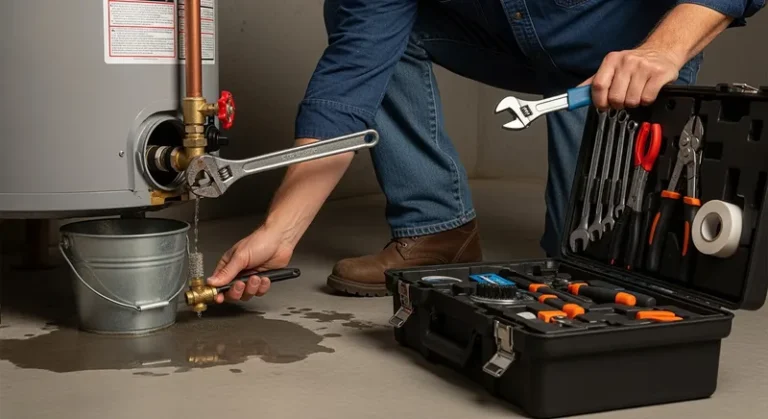
- Draining the Tank – Connect a high-capacity hose to the drain valve and direct flow to a safe discharge point.
- Controlled Refill and Drain Cycles – Introduce water to agitate deposits, then drain again, repeating until discharge runs clear.
- Vacuum or Pump Assistance – Use industrial-strength pumps or wet vacuums for stubborn sediment removal.
- Anode Rod Inspection – Remove and assess the sacrificial rod, replacing it if depleted to protect against future corrosion.
- Final Cleaning Flush – Rinse tank interior thoroughly and verify no residual solids remain.
How Is Tankless Water Heater Descaling Performed Differently?
Descaling a tankless unit involves circulating a specialised vinegar- or chemical-based solution through the heat exchanger to dissolve limescale. Technicians isolate the system, attach hoses to inlet and outlet ports, and run the descaler with a pump for 45–60 minutes. Rinse cycles follow to remove loosened minerals, ensuring unrestricted water pathways and stable temperature control.
What Happens After Flushing: Refilling and System Checks?
Once sediment is cleared, technicians refill the tank or purge a tankless loop, checking for leaks and verifying correct water-temperature settings. They test burner ignition or heating-element function, calibrate thermostats, and confirm pressure-relief valves operate within safety parameters. Final recommendations cover optimal maintenance intervals and water-softening options to slow future buildup.
What Are the Benefits of Regular Water Heater Sediment Removal?
Consistent maintenance through annual or bi-annual flushing yields measurable advantages in efficiency, longevity and cost avoidance—especially critical in Miami-Dade’s high-hardness water environment.
How Does Flushing Improve Energy Efficiency and Reduce Bills?
Removing the insulating mineral barrier allows heat to transfer directly into water, reducing burn cycles by up to 15 %. Households report lower gas or electricity consumption, translating into annual savings on utility invoices.
In What Ways Does Sediment Removal Extend Water Heater Lifespan?
Regular cleaning prevents metal fatigue, corrosion and overheating of heating elements. A well-maintained tank can reliably serve 12–15 years, while neglected units often require replacement in 6–8 years. Tankless systems also benefit, extending their warranty-compliant life to beyond 20 years.
Water Heater Lifespan and Maintenance
Industry observations and studies consistently indicate that traditional tank-style water heaters typically have a lifespan of 8 to 12 years. In contrast, tankless water heatersoften boast a longer service life, extending to 15 to 20 years or more, particularly when subjected to proper and regular maintenance.
This information supports the article’s statements regarding the expected lifespan of both tanked and tankless water heaters and emphasizes the role of maintenance in prolonging their operational life.
How Does Maintenance Prevent Costly Repairs and Maintain Warranty?
Manufacturers typically stipulate annual flushing as a condition for warranty coverage. By documenting professional service visits, homeowners avoid voided warranty claims. Proactive sediment removal circumvents scale-related component failures that often cost hundreds of pounds in emergency repairs.
Why Is Regular Flushing Especially Important in Miami-Dade’s Hard Water Areas?
Miami-Dade County’s tap water hardness averages 150–300 ppm, generating rapid limescale formation in storage and on heat exchangers. Frequent professional flushing neutralises this aggressive mineral load, sustaining peak heater performance and reducing unscheduled service calls.
Why Choose Professional Water Heater Sediment Removal Services in Miami-Dade County?
Commercial and residential customers benefit from expert technicians who combine local water-quality knowledge, advanced equipment and safety protocols to deliver lasting results.
What Expertise Do Miami-Dade Plumbers Bring to Sediment Removal?
Local specialists understand regional water-hardness trends and have refined descaling techniques over hundreds of service calls. Their familiarity with South Florida plumbing codes and water-treatment options ensures compliance and superior outcomes.
How Does Professional Service Ensure Safety and Thoroughness?
Certified technicians adhere to safety standards for gas shutoff, electrical isolation and pressure management. Their equipment—industrial pumps, acid-resistant hoses and calibrated gauges—outperforms consumer tools, guaranteeing thorough scale elimination with no risk of tank damage.
What Can Customers Expect During and After the Service?
From arrival in uniformed vehicles to a post-service walkthrough, every stage is transparent. Customers receive a condition report on tank health, anode-rod status and recommended future maintenance. Clean-up and system checks leave no debris, ensuring immediate, trouble-free hot-water access.
How to Schedule Your Water Heater Flushing Service in Miami-Dade?
To arrange an appointment, contact our dispatch team by phone or online form. We offer flexible scheduling, same-day emergency flushing and transparent quotations tailored to tanked or tankless installations. Prompt service appointments minimise downtime and safeguard hot-water reliability.
How Much Does Water Heater Maintenance and Sediment Removal Cost in Miami-Dade?
Pricing depends on unit type, capacity and sediment severity—but professional investment delivers long-term savings and warranty compliance.
What Factors Influence the Cost of Flushing and Descaling Services?
Service fees vary with:
- Heater Type: Tanked vs tankless procedures.
- Tank Capacity: Larger tanks require extended pump-through cycles.
- Deposit Volume: Heavy buildup needs additional cleaning cycles.
- Accessibility: Easier tank access lowers labour time.
Are There Cost Differences Between Tanked and Tankless Water Heater Services?
Tanked units often incur a flat-rate flushing charge, whereas tankless descaling includes chemical solutions and pump rental, reflecting a higher but still competitive fee. The improved longevity of tankless systems offsets initial maintenance costs.
How Does Regular Maintenance Save Money Long-Term?
Preventing scale-induced element failures, avoiding emergency call-outs and sustaining warranty coverage can save homeowners hundreds of pounds over a decade. Investment in annual flushing prevents the large expense of premature heater replacement.
Frequently Asked Questions
How often should I schedule professional water heater flushing?
It is generally recommended to schedule professional water heater flushing annually. However, in areas with very hard water, such as Miami-Dade County, you may need to consider more frequent service, possibly every six months. Regular maintenance helps prevent sediment buildup, ensuring optimal performance and extending the lifespan of your water heater. Monitoring your water heater‘s performance and consulting with a professional can help determine the best schedule for your specific situation.
Can I perform water heater flushing myself?
While DIY flushing kits are available, it is advisable to hire a professional for this task. Certified technicians have the expertise and equipment to ensure thorough sediment removal without damaging the unit. They can also identify underlying issues that may not be apparent to a homeowner. Professional service guarantees compliance with warranty requirements and safety standards, providing peace of mind and optimal performance for your water heater.
What should I expect during a professional flushing service?
During a professional flushing service, a technician will first assess your water heater‘s condition and shut off power or gas. They will then drain the tank, agitate the sediment, and perform multiple flush cycles to ensure all deposits are removed. After flushing, they will inspect components like the anode rod and check for leaks. Finally, the technician will provide a condition report and recommendations for future maintenance, ensuring you have a clear understanding of your water heater‘s health.
What are the risks of neglecting sediment removal?
Neglecting sediment removal can lead to several issues, including reduced energy efficiency, increased utility bills, and a shorter lifespan for your water heater. Sediment buildup acts as an insulating barrier, forcing the heating elements to work harder, which can cause overheating and corrosion. This can ultimately result in leaks, costly repairs, or even complete tank failure. Regular maintenance is essential to avoid these risks and ensure reliable hot water supply.
How does sediment affect water quality?
Sediment buildup can significantly impact water quality by introducing rust-coloured particles and cloudiness into your hot water supply. This can lead to staining of fixtures and a less pleasant experience when using hot water for bathing or cooking. Additionally, the presence of sediment can cause fluctuations in water temperature and pressure, making it difficult to maintain a consistent hot water supply. Regular flushing helps eliminate these issues, ensuring clear and consistent water quality.
What are the signs that my water heater needs flushing?
Common signs that your water heater may need flushing include audible rumbling or popping noises, discoloured or cloudy hot water, reduced hot-water flow, and visible leaks from the tank. If you notice any of these symptoms, it is crucial to schedule a professional inspection and flushing service. Early intervention can prevent more severe issues and costly repairs, ensuring your water heater operates efficiently and reliably.
What is the expected lifespan of a well-maintained water heater?
A well-maintained traditional tank-style water heater typically lasts between 8 to 12 years, while tankless models can last 15 to 20 years or more with proper care. Regular flushing and maintenance play a crucial role in extending the lifespan of your water heater by preventing sediment buildup, corrosion, and overheating. By investing in routine professional service, you can maximise your water heater‘s longevity and performance, ultimately saving money on replacements and repairs.
About Us
Expert Plumbers Miami-Dade County offer fast, reliable home services for plumbing installation or repair, HVAC and professional electrical services.
With extensive experience in handling common and complex issues or emergency service, our team saves you time and money, ensuring your home services are conducted with the utmost professionalism and efficiency.
Quick Links
DISCLAIMER This site is designed to assist homeowners in connecting with local home service contractors. All home service contractors are independent and this site does not warrant or guarantee any work performed. It is the responsibility of the homeowner to verify that the hired home service contractor furnishes the necessary license and insurance required for the work being performed. All persons depicted in a photo or video may be actors or models and not contractors listed on this site.