

Troubleshooting Pilot Light Issues in Your Gas Water Heater
Troubleshooting Pilot Light Issues: Gas Water Heater and Furnace Repair Guide in Miami-Dade
No hot water or heat can derail your routine and compromise safety. A pilot light in a gas water heater or furnace is a small, continuously burning flame that ignites the main burner, ensuring reliable hot water and heating. In this guide, you will learn what a pilot light is and how it functions, recognize the most common problems and symptoms, follow safe relighting steps, and understand when to call professional repair services in Miami-Dade. We will also explore repair costs, maintenance best practices for lasting efficiency, and appliance-specific troubleshooting for water heaters, furnaces, boilers, and outdoor gas systems in South Florida.
What Is a Pilot Light and How Does It Work in Gas Appliances?
A pilot light is a tiny, steady flame that ignites the main burner in gas appliances, providing an immediate ignition source whenever the thermostat calls for heat or hot water. It operates through a simple thermocouple control system that senses warmth and keeps the gas valve open only when the flame is present, preventing unburned gas from accumulating.
What Are the Main Components of a Pilot Light Assembly?
Before troubleshooting, it helps to identify each part of the pilot light assembly:
- Thermocouple: A safety sensor that detects flame heat and signals the gas valve to stay open.
- Gas Control Valve: Regulates gas flow to both the pilot orifice and main burner.
- Pilot Orifice: A precise opening where gas emerges to form the pilot flame.
- Igniter or Pilot Tube: Directs the flame toward the thermocouple and main burner.

These components work together to deliver consistent ignition and safeguard against gas leaks by closing the valve if the flame goes out and the thermocouple cools.
Gas Control Valves: Operation & Troubleshooting Tips
Gas control valves are integral components in gas-powered appliances, regulating gas flow and ensuring safe operation. They incorporate safety features like thermocouples or flame sensors that detect the pilotflame. If the flame goes out, these sensors trigger the valve to shut off the gas supply, preventing dangerous gas leaks and ensuring safety.
This source directly supports the article’s explanation of how gas control valves and thermocouples work together to ensure safety by preventing gas accumulation if the pilot lightfails.
How Does the Pilot Light Ignite the Main Burner?

When the thermostat triggers a heating cycle, the gas control valve opens, allowing gas to flow through the pilot orifice. The pilot flame, positioned near the main burner, immediately ignites the gas stream once the main valve opens fully. This rapid ignition prevents gas buildup and ensures efficient burner operation.
Why Is the Pilot Light Important for Gas Water Heaters and Furnaces?
A functioning pilot light maintains continuous readiness for ignition, which is critical for:
- Safety: Preventing gas accumulation and potential leaks.
- Efficiency: Delivering immediate ignition and avoiding delayed burner startup.
- Reliability: Ensuring consistent hot water supply and heating performance.
What Are the Most Common Pilot Light Problems and Their Symptoms?
Pilot light issues often stem from a handful of component failures or environmental factors that cause flame instability or extinguishing.
| Issue | Symptom | Recommended Action |
|---|---|---|
| Faulty Thermocouple | Flame won’t stay lit or yellow flame | Clean or replace thermocouple |
| Gas Supply Irregularity | No flame or weak flame | Check gas valve position and pressure |
| Drafts/Venting Problems | Flame blows out repeatedly | Seal drafts and inspect venting |
| Dirty Pilot Orifice | Weak or yellow flame | Clear debris with compressed air |
| Malfunctioning Valve | No gas flow or pilot won’t light | Replace gas control valve |
| Condensation in Heater | Flame sputters when cycling | Inspect drainage and appliance sizing |
Each issue can interrupt normal operation or create safety hazards, making it important to recognize symptoms quickly before they lead to water heater failure or furnace downtime.
Why Does My Pilot Light Keep Going Out?
A pilot light that repeatedly extinguishes often signals thermocouple malfunction, drafts from nearby vents or windows, or low gas pressure. When the thermocouple cools, it fails to keep the valve open, shutting off the gas and extinguishing the flame for safety.
What Are the Signs of a Faulty Thermocouple?
Typical indicators include:
- Inability to maintain a steady flame
- Yellow or flickering pilot flame instead of crisp blue
- Immediate flame outage upon releasing the reset button
How Do Gas Supply Issues Affect Pilot Light Operation?
Insufficient gas pressure or a closed supply valve will prevent adequate gas flow to the pilot orifice. Symptoms include a weak flickering flame or no flame at all. Verifying the main gas valve position and having a professional measure line pressure restores reliable pilot ignition.
Can Drafts or Venting Problems Cause Pilot Light Extinguishing?
Yes. Excess airflow from gaps near doors, windows, or vent pipes can blow out the small pilot flame. Sealing drafts and ensuring proper venting direction stabilizes the flame and improves appliance safety.
How Does a Dirty Pilot Orifice Affect Flame Quality?
A clogged orifice reduces gas flow, leading to a weak, yellow flame or failure to ignite. Cleaning debris with gentle compressed air often restores full flame strength and consistent ignition.
What Are the Symptoms of a Faulty Gas Control Valve?
When the gas control valve wears internally, it may restrict flow entirely or intermittently, resulting in no pilot flame or complete gas flow shutdown. Professional testing and valve replacement are required for safe operation.
How Can Condensation Impact Pilot Light Performance?
Water dripping onto the pilot assembly or cooler surfaces can briefly extinguish the flame during startup. Ensuring proper drainage and correct appliance sizing prevents condensation-related outages.
How Do You Safely Relight a Gas Water Heater or Furnace Pilot Light?
Relighting a pilot light requires strict adherence to safety steps to prevent gas buildup and ignition mishaps.
What Safety Precautions Should You Take Before Relighting?
Always check for the smell of gas and ventilate the area if detected. Confirm carbon monoxide detectors are functional. Turn off any potential ignition sources and allow the appliance to clear residual gas before attempting relight.
How Do You Locate the Pilot Light and Gas Valve Components?
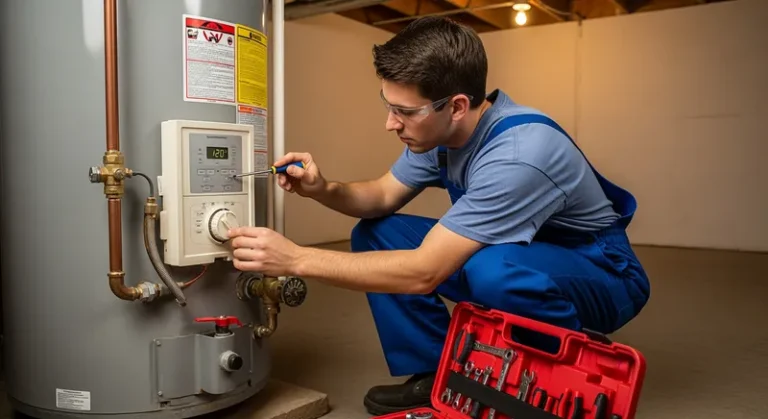
On most gas water heaters and furnaces, the pilot assembly sits near the burner access panel. The gas control valve is marked with Off, Pilot, and On settings. Familiarizing yourself with these labels ensures accurate operation.
What Are the Step-by-Step Instructions to Relight the Pilot Light?
Follow these ordered steps:
- Turn the gas control knob to Off and wait at least five minutes for residual gas to dissipate.
- Switch the knob to the Pilot position and press the built-in control to allow gas flow.
- Use the igniter button or a long-reach lighter to ignite the pilot flame.
- Hold the control depressed for 30–60 seconds until the thermocouple senses heat.
- Release the control and confirm the pilot remains lit, then turn the knob to On.
Completing these steps restores flame ignition and prepares the main burner for normal operation when heat demand rises.
When Should You Avoid DIY Relighting and Call a Professional?

If you detect a gas leak, carbon monoxide alarm activation, repeated relighting failures, or any valve stiffness, cease DIY attempts immediately. Contact licensed technicians to inspect gas lines, replace safety components, and ensure code compliance.
When Should You Call a Professional for Pilot Light Repair in Miami-Dade?
Experts should handle complex failures and any scenario with safety risks beyond simple relighting.
What Safety Concerns Require Immediate Professional Help?
Any gas odor, carbon monoxide detector alarm, or valve malfunction demands urgent professional intervention to prevent hazardous leaks or fires.
Which Persistent Pilot Light Issues Need Expert Repair?
Conditions such as pilot lights that refuse to stay lit after multiple relights, rapid flame extinguishing, or intermittent gas flow are signs that internal components need specialist service.
When Is Gas Control Valve or Thermocouple Replacement Necessary?
A thermocouple that fails to sense flame heat or a valve that sticks closed cannot be safely repaired in the field. Professional replacement restores reliable operation in compliance with safety standards.
How Does Local Miami-Dade Expertise Benefit Your Pilot Light Repair?
Licensed technicians in Miami-Dade County understand regional gas codes, tropical humidity effects on equipment, and can provide 24/7 emergency service. Their rapid response and certified repairs ensure peace of mind and consistent appliance performance.
What Are the Costs and Benefits of Professional Pilot Light Repair Services in Miami?
Professional repair offers long-term savings and safety assurances compared to repeated DIY attempts.
| Service | Typical Cost Range | Key Benefit |
|---|---|---|
| Thermocouple Replacement | $80–$150 | Restores flame sensing reliability |
| Gas Control Valve Replacement | $150–$300 | Ensures consistent gas control |
| Comprehensive Pilot Light Inspection | $50–$100 | Identifies hidden issues early |
| Emergency Service Call-Out | $100–$200 | 24/7 response for critical outages |
How Much Does Thermocouple or Gas Control Valve Replacement Cost?
Thermocouple swaps typically range from $80–$150 including parts and labor, while valve replacements cost between $150–$300. These investments secure safe, stable pilot operation.
What Are the Advantages of Hiring Licensed HVAC and Plumbing Technicians?
Professionals deliver certified safety inspections, code-compliant repairs, manufacturer-approved parts, and warranty protection—advantages that DIY fixes cannot guarantee.
How Does Regular Maintenance Prevent Pilot Light Problems?
Scheduled cleaning of orifices, tightening of connections, and component checks every 6–12 months prevent debris buildup, corrosion, and avoid emergent pilot outages.
A Homeowner's Guide to Pilot Light Maintenance
Regular maintenance of pilotlights is essential for the safe and efficient operation of gas appliances. Common issues like a weak or flickering flame, or a pilot lightthat frequently extinguishes, can often be attributed to dirt accumulation in the pilotassembly or a malfunctioning thermocouple. Cleaning the pilot lightassembly and ensuring proper flame contact with the thermocouple are key maintenance practices.
This research reinforces the article’s emphasis on the importance of regular maintenance and identifies common pilot lightproblems and their causes, such as dirty orifices and faulty thermocouples.
What Emergency Services Are Available for Pilot Light Issues in Miami-Dade?
Around-the-clock service ensures that technicians respond rapidly to pilot failures, restoring hot water and heat with minimal downtime and maximum safety.
How Can You Maintain Pilot Light Safety and Efficiency in Gas Appliances?
Ongoing vigilance and preventive measures keep pilot lights burning reliably and safely.
What Are the Signs of a Gas Leak and How Should You Respond?
A rotten-egg odor, hissing sound at gas connections, or unexplained pistol-like sounds indicate a leak. Evacuate the area immediately, ventilate, and call emergency services or certified technicians.
Why Is Carbon Monoxide Awareness Critical for Pilot Light Safety?
An undetected pilot outage can cause incomplete combustion, releasing carbon monoxide. Installing and testing CO detectors safeguards occupants from this silent hazard.
How Often Should You Schedule Pilot Light and Gas Appliance Maintenance?
Biannual inspections before summer cooling and winter heating seasons ensure pilot assemblies and venting remain clear, reducing the risk of unexpected failures.
What Are the Latest Energy-Efficient Alternatives to Traditional Pilot Lights?
Electronic ignition systems, such as intermittent pilots or direct spark ignition, eliminate constant pilot flame waste, improving appliance efficiency by up to 15% while reducing gas consumption.
What Are the Specific Pilot Light Troubleshooting Tips for Water Heaters vs. Furnaces?
While both appliances rely on pilot lights, differences in design and usage affect failure modes.
How Do Water Heater Pilot Light Problems Differ from Furnace Issues?
Water heaters often suffer from sediment buildup causing pilot tube blockages, whereas furnaces may experience draft-related flame blowouts due to larger vent systems. Identifying the appliance type focuses troubleshooting on the correct assembly.
What Are Brand-Specific Considerations for Popular South Florida Appliances?
Common models from Rheem, AO Smith, and Bradford White feature unique valve assemblies and thermocouple placements. Consulting model-specific manuals or professional technicians ensures accurate component identification.
How Do You Identify and Fix Pilot Light Issues in Boilers and Other Gas Appliances?
Boilers share similar pilot controls but may include additional safety sensors. Cleaning or replacing orifices and sensors under professional guidance restores reliable ignition across multiple gas-fired systems.
When Is Professional Service Recommended for Gas Pool Heaters and Outdoor Kitchens?
Outdoor gas appliances face harsher environmental exposure. If relighting fails, flame is erratic, or corrosion is visible, licensed specialists can perform safe component swaps and weather-resistant adjustments.
For trusted, prompt pilot light repair and maintenance in Miami-Dade County, the team at Plumbers Miami-Dade County stands ready with licensed technicians, 24/7 emergency response, and comprehensive gas appliance expertise. Ensure your water heater and furnace remain safe, efficient, and fully operational by scheduling professional service with local specialists today.
Reliable pilot light performance underpins your home’s comfort and safety, making expert maintenance and timely repairs essential. Empower your gas water heater and furnace with professional inspection, certified parts, and ongoing preventative care from Miami-Dade’s dedicated service providers.
Frequently Asked Questions
What should I do if my pilot light keeps going out?
If your pilot light keeps extinguishing, it may indicate issues such as a faulty thermocouple, low gas pressure, or drafts affecting the flame. Start by checking for drafts around windows and doors, and ensure the gas supply is adequate. If the problem persists, consider cleaning the pilot orifice or replacing the thermocouple. If you are unsure or uncomfortable with these steps, it’s best to contact a professional technician for a thorough inspection and repair.
How can I tell if my gas control valve is malfunctioning?
Signs of a malfunctioning gas control valve include an inability to light the pilot, a pilot flame that goes out frequently, or a weak flame. If you notice any of these symptoms, it’s crucial to have the valve tested by a professional. A faulty valve can lead to unsafe conditions, including gas leaks, so timely intervention is essential to ensure your safety and the proper functioning of your gas appliances.
What maintenance steps can I take to prevent pilot light issues?
Regular maintenance is key to preventing pilot light issues. Schedule biannual inspections to clean the pilot assembly, check for debris in the orifice, and ensure all connections are tight. Additionally, inspect the thermocouple for proper function and replace it if necessary. Keeping your gas appliances well-maintained not only enhances their efficiency but also extends their lifespan and ensures safety in your home.
Are there any energy-efficient alternatives to traditional pilot lights?
Yes, energy-efficient alternatives to traditional pilot lights include electronic ignition systems, such as intermittent pilot systems and direct spark ignition. These systems eliminate the need for a constantly burning pilot light, which can save gas and improve overall appliance efficiency by up to 15%. If you’re considering upgrading your appliances, consult with a professional to explore these modern options that enhance energy savings.
How can I ensure my home is safe from gas leaks?
To ensure safety from gas leaks, install carbon monoxide detectors and regularly check for gas odors or hissing sounds near gas connections. If you detect any signs of a leak, evacuate the area immediately and contact emergency services or a certified technician. Additionally, schedule routine maintenance for your gas appliances to identify and address potential issues before they become hazardous.
What should I do if I smell gas near my appliances?
If you smell gas near your appliances, it’s crucial to act quickly. Immediately evacuate the area and avoid using any electrical devices or open flames. Ventilate the space by opening windows and doors, then call your gas provider or emergency services to report the leak. Do not attempt to locate the source of the leak yourself; leave it to professionals who can safely handle the situation.
When is it necessary to replace my thermocouple?
You should consider replacing your thermocouple if you notice a yellow or flickering pilot flame, or if the pilot light won’t stay lit after multiple attempts to relight it. A malfunctioning thermocouple can prevent the gas valve from opening, leading to safety hazards. If you suspect your thermocouple is faulty, it’s advisable to consult a professional technician for a proper diagnosis and replacement to ensure safe operation of your gas appliances.
About Us
Expert Plumbers Miami-Dade County offer fast, reliable home services for plumbing installation or repair, HVAC and professional electrical services.
With extensive experience in handling common and complex issues or emergency service, our team saves you time and money, ensuring your home services are conducted with the utmost professionalism and efficiency.
Quick Links
DISCLAIMER This site is designed to assist homeowners in connecting with local home service contractors. All home service contractors are independent and this site does not warrant or guarantee any work performed. It is the responsibility of the homeowner to verify that the hired home service contractor furnishes the necessary license and insurance required for the work being performed. All persons depicted in a photo or video may be actors or models and not contractors listed on this site.