
DIY Sewer Line Inspection Tips

DIY Sewer Line Inspection Tips: A Complete Guide to Identifying Issues and When to Call Professionals
Detecting a hidden sewer line fault early can save Miami-Dade homeowners thousands in repair bills and protect property value. In this guide, you’ll learn how to spot warning signs, perform basic DIY checks, and understand when to rely on expert plumbing services. We’ll cover the most common symptoms of damage, step-by-step inspection techniques, DIY limitations, professional camera benefits, rental vs service comparisons, maintenance strategies, cost breakdowns, root causes of blockages, and clear next steps for scheduling help. By the end, you’ll have actionable tips for sewer health and know exactly when to call in a licensed plumber.
What Are the Key Signs of Sewer Line Damage Every Homeowner Should Know?
Sewer line damage often manifests as subtle household inconveniences and visible yard changes. Recognizing these symptoms early allows homeowners to plan an effective inspection before issues escalate.
How Do Slow Drains and Recurring Clogs Indicate Sewer Problems?
Slow drains arise when wastewater pools in pipes instead of flowing freely, signaling an obstruction or pipe deformation. Recurring clogs in sinks, tubs, or toilets often point to a deeper sewer line blockage rather than a local drain trap issue. Monitoring multiple fixtures for sluggish drainage reveals whether the problem is isolated or systemic, leading us to other sensory warning signs.
Why Are Foul Odors and Gurgling Noises Warning Signs?

Persistent sewage odors near drains or in the yard indicate a breach that allows sewer gas to escape into living spaces. Gurgling sounds in toilets or shower drains occur as trapped air evacuates through water seals when sewage can’t flow smoothly. Both signs demonstrate a compromised pipeline and often precede more serious backups.
What Does Lush Green Grass Reveal About Underground Leaks?
Unusually verdant patches on dry lawns signal nutrient-rich wastewater seeping from a cracked sewer pipe. That extra moisture and organic matter act like a fertilizer, resulting in localized vibrant turf. Spotting these green patches can point you directly to an underground leak.
How Can Water Backups Signal Serious Sewer Line Issues?
When sinks, toilets, or floor drains overflow with standing or backing-up water, it indicates a major obstruction or pipe collapse. A backup in multiple fixtures simultaneously confirms the blockage is beyond a single drain trap. Recognizing this emergency symptom prepares you for immediate inspection steps.
How Can Homeowners Perform Basic DIY Sewer Line Inspection Steps?
A straightforward DIY inspection can highlight obvious blockages and leaks before professional intervention becomes critical. Following a systematic process minimizes risk and helps you decide on next steps.
What Tools Are Needed for a Simple Sewer Line Inspection?

To inspect your sewer line yourself, gather:
- A bright flashlight to peer into cleanouts.
- Sturdy gloves to protect from contaminants.
- A screwdriver or adjustable wrench for opening the cleanout cap.
- A garden hose to run water flow tests.
- A notebook or smartphone to record observations.
These essential tools prepare you for visual checks and basic leak detection.
How Do You Locate and Access Your Sewer Cleanout Safely?
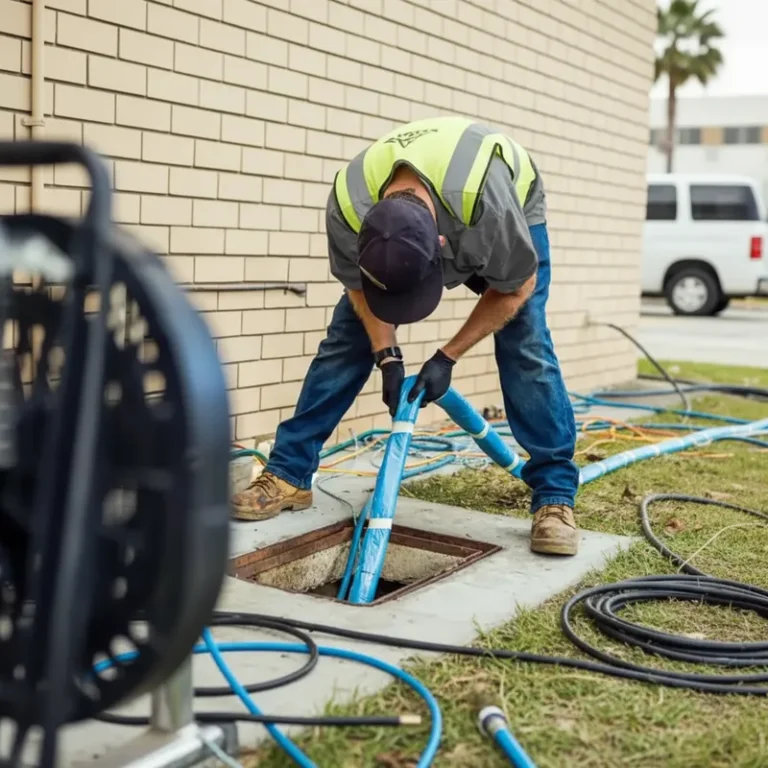
The sewer cleanout is the access point for your underground pipes, often a capped vertical pipe in the yard or basement.
- Consult building plans or look near property lines.
- Clear debris and vegetation around the cap.
- Wear gloves and use the screwdriver to loosen the cap slowly to release pressure.
Once open, you’re ready for a direct line of sight into the pipe.
What Are the Best Visual Inspection Techniques Using a Flashlight?
Before inserting any equipment, use a flashlight to inspect for:
- Debris or foreign objects lodged at the cleanout entrance.
- Standing water inside the pipe indicating blockage.
- Visible cracks, corrosion, or root intrusions near the opening.
Concluding this scan gives a clear view of major obstructions and readies you for flow tests.
How to Conduct Water Flow and Dye Tests to Detect Leaks?
A water flow test reveals blockages by observing how quickly water exits via the cleanout. Slow drainage confirms potential obstructions.
For a dye test:
- Flush a fluorescent water-safe dye into a toilet upstream of the cleanout.
- Watch for colored water escaping around pipe joints or in the yard.
This method pinpoints leaks without specialized equipment.
How Should You Document and Interpret Your DIY Findings?
Record every symptom with date, time, and location. Photograph any visible cracks, odors, or green patches. Note flow speeds and dye test results.
This documentation serves as a clear reference when consulting plumbing professionals and ensures accurate diagnosis.
When Should You Call a Professional Plumber for Sewer Line Inspection?
DIY inspections can uncover basic issues, but complex damage, safety hazards, or compliance concerns require licensed expertise. Calling a professional guarantees thorough diagnostics and safe, code-compliant solutions.
What Are the Limitations and Risks of DIY Sewer Inspections?
| Approach | Equipment Level | Interpretation Accuracy | Safety Risk | Outcome |
|---|---|---|---|---|
| DIY Visual + Flow | Basic flashlight, hose | Limited detection (roots, fine cracks) | Exposure to sewage, pipe collapse risk | Preliminary assessment |
| Professional Camera | High-resolution camera, locator | Accurate diagnosis of blockages, leaks, material integrity | Handled by trained technicians | Precise recommendations |
DIY lacks advanced tools and expertise, increasing the chance of missed issues or accidental damage.
How Do Professionals Use Advanced Sewer Cameras for Accurate Diagnosis?

Technicians insert a flexible video camera into the pipe to capture real-time footage of blockages, fractures, root intrusions, and pipe material condition. Linked live-feed monitors allow on-the-spot evaluation and precise location mapping without excavation, enabling targeted repairs.
Why Is Early Professional Detection Crucial to Avoid Costly Repairs?
5 Benefits of a Sewer Line Inspection
Regular sewer lineinspections, utilizing advanced camera technology, are crucial for the early detection of minor issues such as cracks, leaks, root intrusions, and blockages. This proactive approach prevents these problems from escalating into major, costly repairs, thereby maintaining property value and ensuring the long-term health of the sewersystem.
This source reinforces the article’s emphasis on the financial and preventative benefits of professional sewer line inspections.
How Do Local Miami-Dade Plumbing Codes Affect Sewer Line Inspections?
Miami-Dade County regulations mandate periodic inspections and specific repair methods for sewer lines to ensure public health and environmental protection. A licensed plumber ensures compliance with local codes, avoiding fines and ensuring warranty validity. (miamidade.gov)
What Are the Pros and Cons of Sewer Camera Rental for DIY Inspections?
Renting a sewer camera may appear cost-effective but comes with trade-offs in image quality, training requirements, and potential equipment damage.
What Equipment Is Included in Typical Sewer Camera Rentals?
| Rental Camera Kit | Feature | Benefit |
|---|---|---|
| Hand-held monitor | Portable display with recording capability | Allows on-site footage review |
| Flexible rod assembly | Multiple diameter options | Adapts to various pipe sizes |
| Reusable locator | Sonar-based positioning | Estimates blockage depth |
| LED-illuminated camera | High-intensity lights | Improves visibility in dark pipes |
Rental kits provide basic inspection tools but lack the resolution and durability of professional systems.
What Are the Challenges in Using Rental Cameras Without Professional Training?
Untrained users may struggle to:
- Navigate bends and T-joints without snagging the rod.
- Interpret video imagery for subtle cracks or hairline leaks.
- Maintain hygienic and safe handling to prevent cross-contamination.
These challenges can lead to inconclusive or misleading results.
How Does Professional Camera Inspection Compare to DIY Rental Options?
| Feature | DIY Rental | Professional Service |
|---|---|---|
| Camera Resolution | Standard definition | High-definition, wide-angle |
| Operator Expertise | Minimal training | Certified technicians |
| Diagnostic Accuracy | Basic blockages only | Cracks, roots, corrosion, and more |
| Report & Mapping | User-generated notes | Detailed digital report with location |
| Equipment Durability | Rental wear and tear | Professionally maintained gear |
Professional inspections deliver superior clarity, accurate diagnosis, and comprehensive reports.
How Can You Maintain Your Sewer Line to Prevent Future Problems?
Regular upkeep extends pipe lifespan and reduces emergency calls. A blend of DIY practices and scheduled services creates a robust prevention plan.
What Are the Best DIY Sewer Line Maintenance Practices?
Homeowners can improve sewer health by:
- Flushing with hot water weekly to dissolve grease buildup.
- Avoiding disposal of fats, oils, or non-flushable items down drains.
- Using enzyme-based cleaners to digest organic matter.
- Running a vinegar and baking soda rinse monthly to clear light scum.
These steps curb common causes of blockages without harsh chemicals.
How Often Should Sewer Lines Be Inspected and Cleaned Professionally?
Most homes benefit from a professional sewer line inspection every two years, with hydro-jetting or mechanical cleaning every three to five years depending on pipe age and usage. Regular service prevents root encroachment and material degradation.
What Role Does Hydro-Jetting Play in Sewer Line Maintenance?
Hydro-jetting uses high-pressure water streams to scour pipe walls, removing grease, scale, and root fragments. This non-invasive method restores full flow capacity and delays major mechanical cleaning or excavation.
How Can Proper Waste Disposal Reduce Sewer Line Blockages?
Mindful disposal practices protect sewer lines by:
- Collecting cooking oils in a container and discarding them in the trash.
- Using drain screens to catch hair, food particles, and debris.
- Educating household members on flushable vs non-flushable items.
Consistent waste habits minimize the accumulation of blockage-causing materials.
What Are the Typical Costs Associated with Sewer Line Inspection and Repairs?
Understanding cost structures empowers homeowners to budget and avoid surprises when problems arise.
How Much Does a Basic DIY Sewer Line Inspection Cost?
A self-conducted checkup typically involves:
- Flashlight, gloves, and tools: $30–$50 total.
- Dye test kits: $10–$20.
Overall, expect under $70 in consumable and tool expenses for a single assessment.
What Are the Average Prices for Professional Sewer Camera Inspections in Miami-Dade?
| Service Type | Typical Cost Range |
|---|---|
| Standard camera inspection | $200–$350 |
| Full diagnostic with mapping | $350–$500 |
| Emergency after hours inspection | $500–$700+ |
Local factors such as pipe length, accessibility, and time of service influence final pricing.
How Can Early Detection Save Money on Sewer Line Repairs?
Addressing minor issues like root penetration or small cracks early prevents the need for full pipe replacement, which can exceed $3,000–$5,000 for trench excavation and restoration work. Proactive inspections pay for themselves through reduced repair severity.
What Are Common Causes of Sewer Line Blockages and Damage?
Identifying root mechanisms of sewer failure helps target both inspection and preventive measures.
How Do Tree Roots Cause Sewer Line Intrusion and Blockages?
Tree roots are naturally drawn to moisture, making sewer lines an enticing target. As they grow, roots can exert significant pressure on aging or damaged pipes, infiltrating cracks and seams. This invasion often begins subtly, as tiny roots snake their way into the sewer line. However, given time, they can form a dense network that traps debris and blocks the flow of wastewater, leading to costly backups and potential damage to your plumbing system.
What’s fascinating is that not all tree species pose the same risk for sewer line intrusion. Fast-growing trees like willows and oaks are notorious for their aggressive root systems, while others, such as evergreens, may not be as problematic.
Homeowners can take proactive measures by planting trees strategically and maintaining healthy roots through regular inspections. Additionally, installing protective barriers or choosing more root-friendly tree varieties can thwart potential blockages, preserving both your landscape and plumbing for years to come. Understanding this dynamic not only saves you time and money but also fosters a healthier relationship between your trees and your home’s infrastructure.
TREE ROOT INTRUSION IN SEWER SYSTEMS: REVIEW OF EXTENT AND COSTS
Research indicates that tree roots are a significant cause of sewerblockages, accounting for over 50% of all such incidents. Factors contributing to root intrusion include old, cracked pipes, shallow pipe depth, and fast-growing tree species. Proactive maintenance is crucial for older sewersystems to prevent substantial costs associated with root removal and pipe replacement.
This research highlights the prevalence and impact of tree root intrusion, a key cause of sewer line damage discussed in the article.
What Impact Do Grease, Oil, and Non-Flushable Items Have on Sewer Lines?
When it comes to sewer lines, the impact of grease, oil, and non-flushable items can be far more profound than most homeowners realize. Grease and oil, when washed down the drain, can solidify and accumulate over time, forming stubborn clogs that disrupt the natural flow of wastewater. This not only leads to costly plumbing issues but also creates a breeding ground for bacteria, which can release unpleasant odors and even pose health risks.
Moreover, non-flushable items — everything from wipes to cotton swabs — contribute significantly to sewer line blockages. Unlike toilet paper, these materials don’t break down easily, leading to massive backups that can affect entire neighborhoods.
As these blockages continue to build, they increase pressure within the sewer system, which can ultimately result in leaks and overflows. By being mindful of what goes down your drains, you not only protect your home but also play a crucial role in maintaining the health of the entire sewer infrastructure.
Fat, oil and grease - induced sewer blockages: Mechanisms, modelling and monitoring strategies
Fat, oil, and grease (FOG) discharged into sewernetworks accumulate and solidify into hardened deposits, commonly known as fatbergs, through processes like saponification and crystallization. These fatbergs contribute significantly to sanitary seweroverflows, posing environmental and public health risks, and are a major cause of sewerblockages.
This study provides a scientific basis for understanding how FOG causes blockages, directly supporting the article’s advice on proper waste disposal.
How Can Pipe Material and Age Affect Sewer Line Vulnerability?
Older clay or cast-iron pipes are prone to corrosion and joint separation, allowing infiltration by roots and soil. Modern PVC and ABS pipes resist corrosion but can shift or sag over time if the ground settles, leading to pooling and blockages.
How to Take the Next Steps After Your DIY Sewer Line Inspection?
After documenting your findings, you’ll know which professional service fits your needs—whether it’s a targeted camera inspection, cleaning, or repair.
How to Schedule a Professional Sewer Line Inspection in Miami-Dade County?
Contact a licensed plumber through an online form or phone call to arrange an on-site assessment. Provide inspection notes and photos to streamline diagnostics and receive a transparent cost estimate.
What Related Services Can Help Resolve Sewer Line Issues?
A full suite of solutions is available:
- Drain cleaning with mechanical augers or hydro-jetting.
- Trenchless pipe repair for minimal landscape disruption.
- Full replacement for severely damaged or aged pipe runs.
- Emergency response for backups and health hazards.
Combine these services as needed for comprehensive sewer health.
Where Can You Find More Resources on Sewer Cleanout Locations and Maintenance?
For detailed diagrams, local code outlines, and maintenance checklists, consult the “sewer cleanout location” guide available online. It offers maps and best-practice tips tailored to Miami-Dade properties.
Maintaining clear, damage-free sewer lines requires vigilance, proper techniques, and knowing when to trust professional expertise. By combining your DIY findings with licensed plumbing services, you’ll secure reliable wastewater management and avoid costly disruptions to your home or business.
Frequently Asked Questions
What are the potential health risks associated with sewer line issues?
Health risks from sewer line problems can be significant. Sewage leaks can lead to exposure to harmful bacteria and pathogens, which may cause gastrointestinal illnesses and other health issues. Additionally, sewer gas, which contains toxic substances like hydrogen sulfide, can pose serious respiratory risks. If you notice foul odours or sewage backups, it’s crucial to address the issue promptly to protect your health and that of your family.
How can I prevent tree roots from invading my sewer lines?
To prevent tree roots from invading sewer lines, consider planting trees at a safe distance from your sewer system. Regularly inspect your sewer lines for early signs of root intrusion, such as slow drainage or backups. You can also use root barriers, which are physical barriers installed underground to deter roots from reaching the pipes. Additionally, professional root removal services can help maintain clear sewer lines if roots are already present.
What should I do if I suspect a sewer line emergency?
If you suspect a sewer line emergency, such as severe backups or flooding, it’s essential to act quickly. First, stop using all water fixtures to prevent further backups. Then, contact a licensed plumber immediately to assess the situation. Avoid attempting to clear the blockage yourself, as this can lead to further damage or health risks. Document the situation with photos if possible, as this can assist the plumber in diagnosing the issue.
Are there any DIY methods to clear minor sewer line blockages?
For minor sewer line blockages, homeowners can try a few DIY methods. One common approach is to use a mixture of baking soda and vinegar, which can help break down minor clogs. Pour half a cup of baking soda followed by half a cup of vinegar down the drain, and let it sit for about 30 minutes before flushing with hot water. However, for persistent or severe blockages, it’s best to consult a professional plumber.
How can I tell if my sewer line needs to be replaced?
Signs that your sewer line may need replacement include frequent backups, persistent foul odours, and visible signs of damage such as cracks or corrosion. Additionally, if your home is experiencing slow drains in multiple fixtures simultaneously, it may indicate a systemic issue. If your pipes are made of outdated materials like clay or cast iron and are over 50 years old, consider having them evaluated for replacement to avoid future problems.
What are the environmental impacts of sewer line failures?
Sewer line failures can have severe environmental impacts, including contamination of local water sources and soil. When sewage leaks into the ground, it can pollute groundwater and nearby rivers, harming aquatic life and ecosystems. Additionally, untreated sewage can pose public health risks, leading to disease outbreaks. Regular inspections and maintenance are crucial to prevent these environmental hazards and ensure the integrity of the sewer system.
What should I include in my maintenance schedule for sewer lines?
Your sewer line maintenance schedule should include regular inspections every two years, professional cleaning every three to five years, and immediate checks after heavy rainfall or flooding. Additionally, consider seasonal checks for tree root growth and debris accumulation. Keeping a log of any issues or repairs can help track the health of your sewer system and inform future maintenance needs.
About Us
Expert Plumbers Miami-Dade County offer fast, reliable home services for plumbing installation or repair, HVAC and professional electrical services.
With extensive experience in handling common and complex issues or emergency service, our team saves you time and money, ensuring your home services are conducted with the utmost professionalism and efficiency.
Quick Links
DISCLAIMER This site is designed to assist homeowners in connecting with local home service contractors. All home service contractors are independent and this site does not warrant or guarantee any work performed. It is the responsibility of the homeowner to verify that the hired home service contractor furnishes the necessary license and insurance required for the work being performed. All persons depicted in a photo or video may be actors or models and not contractors listed on this site.