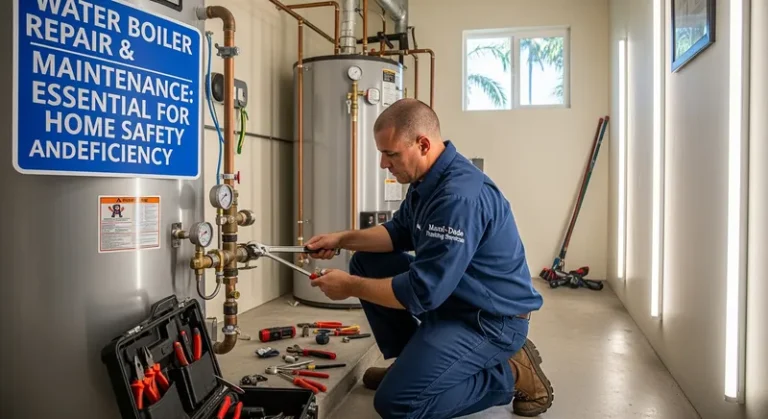


Troubleshooting No Hot Water: Fix Water Heater Problems Fast

Water Heater Thermostat Troubleshooting & Repair in Miami-Dade
Are cold showers and erratic water temperatures disrupting your comfort in Miami-Dade County? A malfunctioning water heater thermostat can leave you shivering, scalded, or paying more on your energy bill. This guide defines what a water heater thermostat is, explains how to spot common faults, shows you step-by-step testing procedures, and helps you decide when to perform DIY fixes versus calling our professional team. We’ll also cover local repair and replacement costs, preventative maintenance tips, and why our certified technicians are the trusted choice for plumbing, HVAC, and electrical services in South Florida.
For expert assistance with your hot water system, explore our expert water heater repair Miami-Dade services and schedule a service appointment today.
What Is a Water Heater Thermostat and How Does It Work?
A water heater thermostat is a temperature-sensing device that regulates heating elements or gas flow to maintain your set water temperature, ensuring reliable comfort and energy efficiency. By monitoring water temperature and signaling the heating element or gas control valve to activate or deactivate, the thermostat prevents overheating and reduces energy waste. Understanding this core component lays the foundation for diagnosing and resolving water heater problems.
What Is the Role of a Water Heater Thermostat in Temperature Control?

The water heater thermostat continuously measures the tank’s internal temperature and closes or opens electrical or gas circuits to keep water at the desired set point. When water cools below the threshold, the thermostat triggers heating elements or gas burners; once the target temperature is reached, it shuts them off. This cyclical control balances hot water availability with safe operation and reduced utility expenses.
What Are the Different Types of Water Heater Thermostats?

Water heaters use variant thermostat designs to suit electric or gas systems:
- Upper Thermostat (Electric) – Controls the top heating element and energizes the lower thermostat.
- Lower Thermostat (Electric) – Manages the bottom heating element once the upper thermostat permits power flow.
- Gas Control Valve (Gas) – Integrates the thermostat function with pilot light and gas flow regulation.
Each variant ensures precise temperature management under different heating technologies, guiding our next look at electric versus gas differences.
How Do Electric and Gas Water Heater Thermostats Differ?
Electric and gas thermostats regulate temperature through distinct mechanisms and safety features:
| System Type | Thermostat Location | Control Mechanism | Safety Feature |
|---|---|---|---|
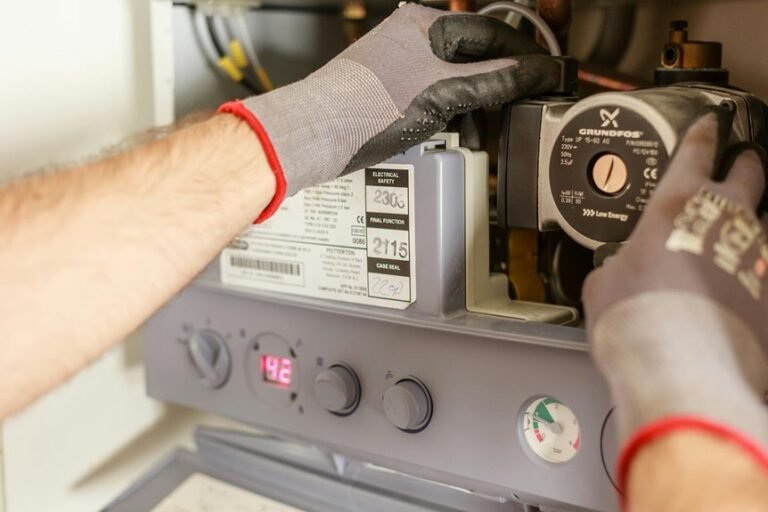
| Electric (Dual) | Behind two access panels | Opens/closes electrical loops | High-limit reset button |
| Gas (Integrated) | On gas control valve | Modulates gas flow to burner | Flame sensor/thermocouple |
Electric units rely on two separate thermostats and heating elements to divide the heating load, improving efficiency, while gas models combine thermostat control with pilot light safety. Recognizing these differences prepares you for accurate symptom diagnosis.
What Are the Common Signs of a Faulty Water Heater Thermostat?
A failing thermostat shows up through various operational clues that directly link to its role in temperature regulation. Spotting these symptoms early can prevent damage to your water heater and reduce energy waste.
Identifying a Failing Water Heater Thermostat
Key indicators of a malfunctioning water heaterthermostat include inconsistent water temperatures, a complete absence of hot water, water that is dangerously hot, frequent tripping of the high-limit reset button, and an increase in energy bills due to the heater running inefficiently.
This information directly corroborates the article’s detailed explanation of the various symptoms homeowners might observe when a water heaterthermostat is faulty, guiding accurate diagnosis.
How Can Inconsistent Water Temperature Indicate Thermostat Problems?
When hot water alternates between scalding heat and icy cold, one of the thermostats may misread the tank temperature or short-cycle the heating element. In electric systems, a bad upper thermostat often drops power to both elements, triggering uneven warmth. This erratic cycling points to a thermostat that no longer maintains a stable set point, signaling the need for testing or professional inspection.
What Does No Hot Water Reveal About the Upper Thermostat?
A total loss of hot water most frequently indicates an upper thermostat failure or a tripped high-limit switch, which cuts power to prevent overheating. Since the upper thermostat controls both elements, its failure isolates electrical feed from the lower thermostat and leaves the tank cold. Recognizing this symptom helps you target the correct component for repair or replacement.
Why Is Water Too Hot and How Does a Stuck Thermostat Cause This?
If water exceeds safe temperatures, the thermostat contacts may be welded shut or the calibration drifted, causing continuous heating. A stuck thermostat disregards the temperature shut-off threshold, risking scalding and pressure relief valve activation. This overheating symptom underscores the critical safety role of a functional thermostat.
How Does Slow Hot Water Recovery Point to Lower Thermostat Issues?
When hot water supply runs out quickly and recovery takes longer, the lower thermostat or its heating element may be failing. In dual-element electric heaters, the lower thermostat activates only after the upper element reaches temperature; a lower failure prolongs refill heating time. Identifying slow recovery directs attention to the bottom thermostat and associated wiring.
What Does Frequent High Limit Switch Tripping Mean for Thermostat Health?
A high-limit switch trips to cut power when water temperature climbs above safe ranges, signaling thermostat malfunction. Frequent tripping suggests the primary thermostat isn’t controlling cutoff properly, risking component damage and safety hazards. Detecting repeated trips flags the thermostat as the root cause rather than the switch itself.
Can Unusual Noises Signal Thermostat Malfunction?
Popping, humming, or clicking beneath access panels often arises when a thermostat misfires or leaves an element partially energized. Intermittent power surges to heating coils create electrical noise and can damage wires. These unusual sounds serve as audible indicators of thermostat wear or electrical contact problems.
How Do Faulty Thermostats Affect Energy Bills?
A thermostat that overheats or short-cycles heating elements forces the system to run longer than necessary, increasing electricity or gas consumption. Inefficient temperature regulation can inflate monthly utility costs by up to 20%, making reliable thermostat performance essential for both comfort and budget. Understanding these cost impacts underscores the value of timely troubleshooting.
How Do You Test a Water Heater Thermostat Safely and Accurately?
Testing your thermostat identifies continuity or calibration faults before calling in professional service, saving time and money while ensuring safe operation.
What Essential Tools Are Needed for Thermostat Testing?
Before you begin, gather the following:
- A digital multimeter for continuity and resistance checks
- A non-contact voltage tester to verify power-off status
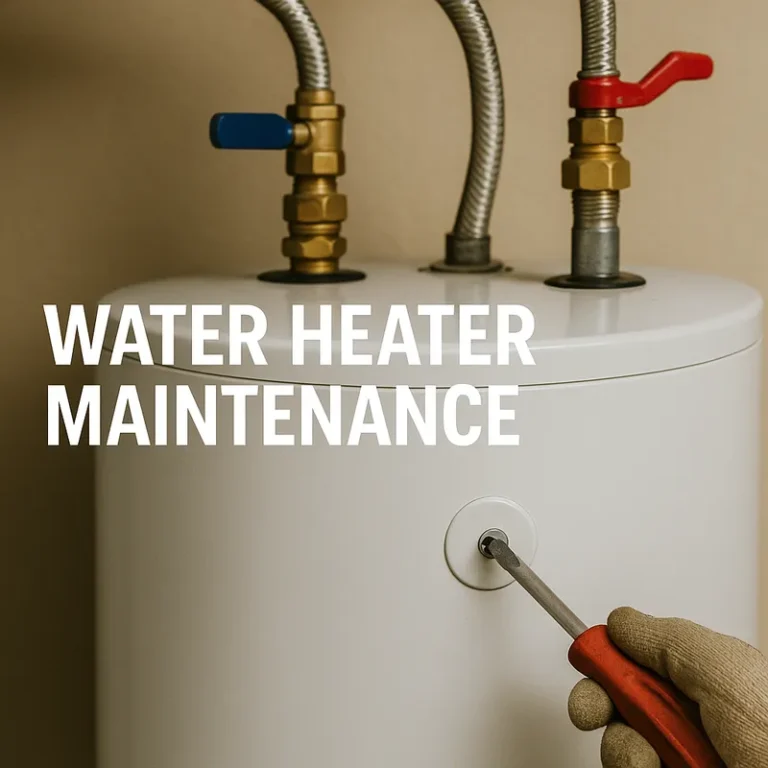
- A flathead screwdriver for panel removal
- Insulated gloves to protect against accidental shocks
These tools enable precise diagnostics without risking personal safety.
How Do You Prioritize Safety Before Testing Your Thermostat?
Always start by isolating power and gas supplies to prevent shocks or leaks:
- Turn off the circuit breaker dedicated to the electric water heater.
- Shut off the gas supply valve for gas models.
- Use a voltage tester on thermostat terminals to confirm zero live current.
Verifying complete power isolation protects you and preserves thermostat integrity.
What Are the Step-by-Step Instructions to Test Electric Water Heater Thermostats?
Follow these steps for an electric dual-thermostat system:
- Remove upper and lower access panels and insulation.
- Set your multimeter to the ohms (Ω) range for continuity.
- Disconnect the thermostat’s wire leads and place probes on the terminal screws.
- A near-zero reading confirms contact continuity; “1” or infinite resistance indicates a faulty thermostat.
- Repeat for both upper and lower thermostats to isolate the defective unit.
Accurate multimeter readings help you decide if a thermostat requires replacement or adjustment.
How Is a Gas Water Heater Thermostat Tested and When Is Professional Help Needed?
Gas thermostats are integrated into the control valve and tested by:
- Verifying the pilot light remains lit under normal conditions.
- Checking thermocouple voltage output with a millivolt meter.
- Observing gas flow modulation when adjusting the temperature dial.
Because gas systems involve combustible fuel and sealed valves, unreliable readings or persistent pilot outages warrant our gas water heater repair expertise for safe diagnostics.
How and When Should You Use the Thermostat Reset Button?
Most electric water heaters feature a red high-limit reset button on the upper thermostat. Pressing this reset restores power after a trip due to overheating but should only be used when:
- The cause of the trip (such as debris or a thermostat fault) is corrected.
- You have verified safe power isolation and proper wiring.
Routine use of the reset button without addressing underlying faults can damage the thermostat and heating elements.
When Should You Repair, Replace, or Call a Professional for Thermostat Issues?
Deciding between DIY fixes and expert service hinges on symptom complexity, safety considerations, and warranty protections.
What Thermostat Problems Can Be Fixed with DIY Repairs?
Simple issues suitable for homeowner repair include:
- Resetting a tripped high-limit switch after cooling down
- Tightening loose thermostat terminal screws
- Cleaning corrosion from contacts
These minor adjustments often restore proper function without requiring part replacement.
When Is Thermostat Replacement Necessary?
Replace your thermostat when electrical continuity tests fail, the reset button doesn’t hold, or physical damage (burn marks, corrosion) is evident. Persistent temperature drift despite calibration attempts also justifies installing a new unit to ensure safe, reliable operation.
Why Is Professional Service Recommended for Gas and Complex Electric Water Heaters?
Gas control valve thermostats and intricate electric wiring carry significant safety risks if mishandled. Our licensed Miami-Dade plumbing, HVAC, and electrical technicians follow local codes, use specialized diagnostic tools, and maintain manufacturer warranties, ensuring your system remains efficient and compliant.
What Are the Typical Water Heater Thermostat Repair and Replacement Costs in Miami-Dade?
Understanding local cost ranges helps you budget for maintenance or upgrades with confidence.
| Service Element | Typical Cost Range | Notes |
|---|---|---|
| Thermostat Part | $15 – $40 | Varies by model and manufacturer. |
| Labor (per hour) | $75 – $120 | Includes diagnosis, part installation. |
| Total Repair/Replacement | $150 – $200 | Complete job including parts and labor. |
Average repair jobs in Miami-Dade fall between $150 and $200, keeping your hot water system safe and efficient without unexpected expenses.
How Can Proper Maintenance Prevent Water Heater Thermostat Issues?
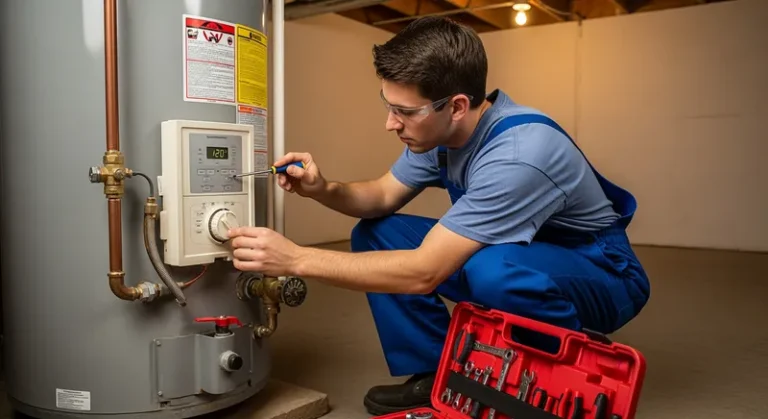
Preventative care extends thermostat lifespan and minimizes emergency repairs, saving time and money over the long term.
What Routine Maintenance Steps Help Extend Thermostat Life?
Regular tasks include:
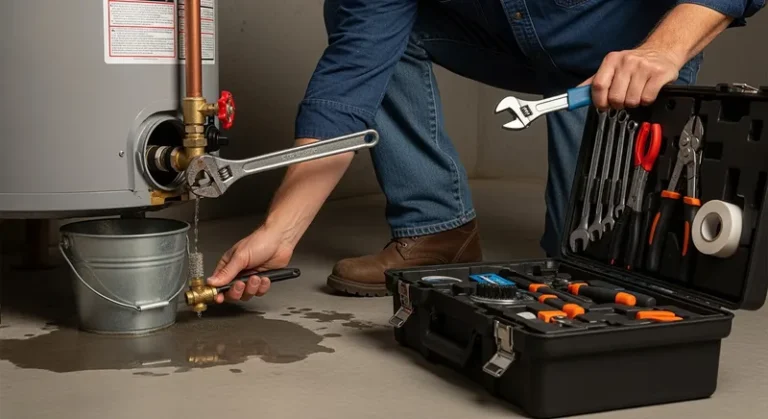
- Flushing the tank to remove sediment that causes overheating.
- Inspecting access panel seals to prevent moisture intrusion.
- Checking wire connections for corrosion or loose fittings.
Benefits of Regular Water Heater Maintenance and Energy Efficiency
Regular maintenance, including flushing the tank to remove sediment, can significantly improve a water heater‘s efficiency and extend its lifespan. Studies indicate that well-maintained water heaters can be up to 20% more energy-efficient and last 50% longer than neglected units, according to the Environmental Protection Agency (EPA) and other research.
This research directly supports the article’s recommendations regarding preventative maintenance and highlights the potential for significant energy savings and extended appliance life through proper care and efficient thermostat operation.
How Does Anode Rod Inspection Relate to Thermostat Performance?
The sacrificial anode rod protects your tank’s interior from corrosion. A degraded rod allows rust to accumulate, which can interfere with thermostat sensors and heating elements. Replacing the anode rod before it fails preserves both tank integrity and thermostat responsiveness.
When Should You Schedule Professional Water Heater Maintenance in Miami-Dade?
We recommend full professional inspections every 12 months, especially in South Florida’s hard-water environment. Annual service includes thermostat calibration, anode rod replacement, pressure relief valve testing, and system diagnostics to prevent unexpected breakdowns.
Why Choose Expert Water Heater Thermostat Repair Services in Miami-Dade?
Partnering with our local specialists guarantees safe, efficient solutions and peace of mind for homeowners and businesses across South Florida.
What Makes Our Miami-Dade Plumbing and HVAC Technicians Reliable?
Our team combines:
- State-licensed certifications in plumbing, HVAC, and electrical trades
- Advanced diagnostic equipment for precise thermostat testing
- Emergency availability to restore hot water promptly
This blend of expertise and responsiveness has earned the trust of countless Miami-Dade residents.
How Do Emergency Water Heater Services Protect Your Home Comfort?
Unplanned thermostat failures can leave you without hot water at the worst times. Our 24/7 emergency response ensures same-day repairs or temporary solutions, minimizing downtime and safeguarding your household routine.
How Can You Schedule a Water Heater Thermostat Repair Appointment?
Booking is simple: call our Miami-Dade hotline or complete the online form to reserve a convenient service slot. Our friendly dispatch team will confirm your appointment and prepare technicians with the correct replacement parts to restore hot water in a single visit.
Maintaining a functioning water heater thermostat is vital for consistent comfort, safety, and energy savings. By recognizing warning signs, performing accurate tests, and knowing when to call in professionals, you safeguard your hot water supply and household budget. For expert diagnostics, reliable repairs, or full replacements throughout Miami-Dade County, trust our certified team to deliver efficient, code-compliant service every time.
Frequently Asked Questions
What are the signs that my water heater thermostat needs to be replaced?
Signs that your water heater thermostat may need replacement include persistent temperature fluctuations, a complete lack of hot water, or water that is excessively hot. If you notice that the high-limit reset button frequently trips, or if you experience an increase in energy bills due to inefficient heating, these are also indicators of a failing thermostat. If these symptoms persist despite troubleshooting, it’s advisable to consider a replacement to ensure safe and efficient operation.
How often should I perform maintenance on my water heater thermostat?
It is recommended to perform maintenance on your water heater thermostat at least once a year. Regular inspections can help identify potential issues before they escalate, such as checking for sediment buildup, inspecting electrical connections, and ensuring the thermostat is calibrated correctly. Annual maintenance not only extends the lifespan of your thermostat but also enhances the overall efficiency of your water heater, saving you money on energy bills in the long run.
Can I replace my water heater thermostat myself?
While some homeowners may feel comfortable replacing a water heater thermostat, it is essential to have a good understanding of electrical systems and safety protocols. If you have experience with DIY repairs and follow safety guidelines, you can attempt the replacement. However, for those unfamiliar with the process or for gas water heaters, it is advisable to hire a professional to ensure the job is done safely and correctly, preventing potential hazards.
What should I do if my water heater is making unusual noises?
If your water heater is making unusual noises such as popping, humming, or clicking, it may indicate a problem with the thermostat or heating elements. These sounds can result from sediment buildup or electrical issues. It’s important to investigate the source of the noise promptly, as it could lead to more significant problems if left unaddressed. Consider turning off the unit and consulting a professional to diagnose and resolve the issue safely.
How can I improve the energy efficiency of my water heater?
To improve the energy efficiency of your water heater, start with regular maintenance, including flushing the tank to remove sediment and checking the thermostat settings. Insulating the tank and pipes can also reduce heat loss. Additionally, consider lowering the thermostat setting to 60°C (140°F) for optimal energy savings. Upgrading to a more efficient model or installing a timer can further enhance efficiency, ensuring you only heat water when needed.
What are the risks of ignoring thermostat issues in my water heater?
Ignoring thermostat issues in your water heater can lead to several risks, including inconsistent water temperatures, increased energy bills, and potential safety hazards such as overheating or leaks. A malfunctioning thermostat can cause the heating elements to run continuously, leading to premature wear and tear on the unit. In severe cases, it may result in water damage or even fire hazards. Timely diagnosis and repair are crucial to maintaining safety and efficiency.
How can I tell if my thermostat is calibrated correctly?
To determine if your thermostat is calibrated correctly, you can use a digital thermometer to measure the water temperature at the tap. Compare this reading to the thermostat setting. If there is a significant discrepancy, the thermostat may need recalibration or replacement. Additionally, if you experience frequent temperature fluctuations or inconsistent hot water supply, these could also indicate calibration issues that require attention.
About Us
Expert Plumbers Miami-Dade County offer fast, reliable home services for plumbing installation or repair, HVAC and professional electrical services.
With extensive experience in handling common and complex issues or emergency service, our team saves you time and money, ensuring your home services are conducted with the utmost professionalism and efficiency.
DISCLAIMER This site is designed to assist homeowners in connecting with local home service contractors. All home service contractors are independent and this site does not warrant or guarantee any work performed. It is the responsibility of the homeowner to verify that the hired home service contractor furnishes the necessary license and insurance required for the work being performed. All persons depicted in a photo or video may be actors or models and not contractors listed on this site.